Ora Meyer newborn session

On New Years Eve, I spent the day taking photos of a precious new arrival to our world - little Ora.  She was only 5 weeks old and still pink with new life!  I forgot how little a newborn baby is, compared to my relatively giant 8 month old!

Little Ora was surrounded with love by all her grandparents who came out to Uganda for her arrival, along with her doting parents.

December finds

A few of my favorite finds in the month of December:

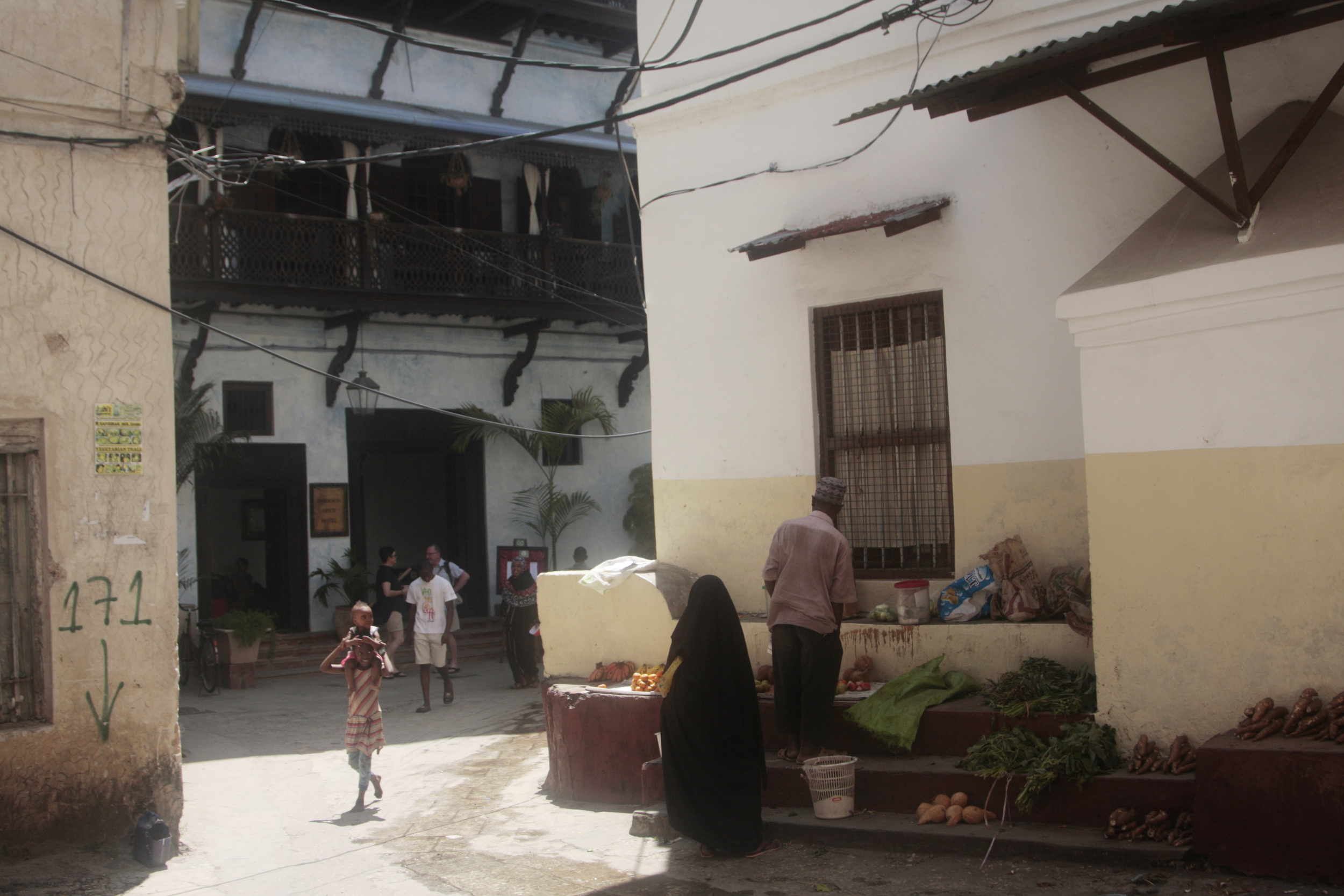
Top favorite: While roaming the streets of Stone Town, Zanzibar, I stumbled upon the story of Princess Sayyida Salme, a woman who lived an incredible life.  As a lover of herstory, this is right up my alley.  I've already ordered her memoirs.

Favorite video: A TED Talk that spoke to me and made me want to cry.  With so many different interests, I just don't know what my "calling" is.  And just maybe that's a good thing!  This inspiring talk by Elizabeth Gilbert about why not having a passion might just be a good thing, is a close runner-up.

Favorite article: When you feel like the world is all going downhill, click here to see why 2015 was actually the best year in history.

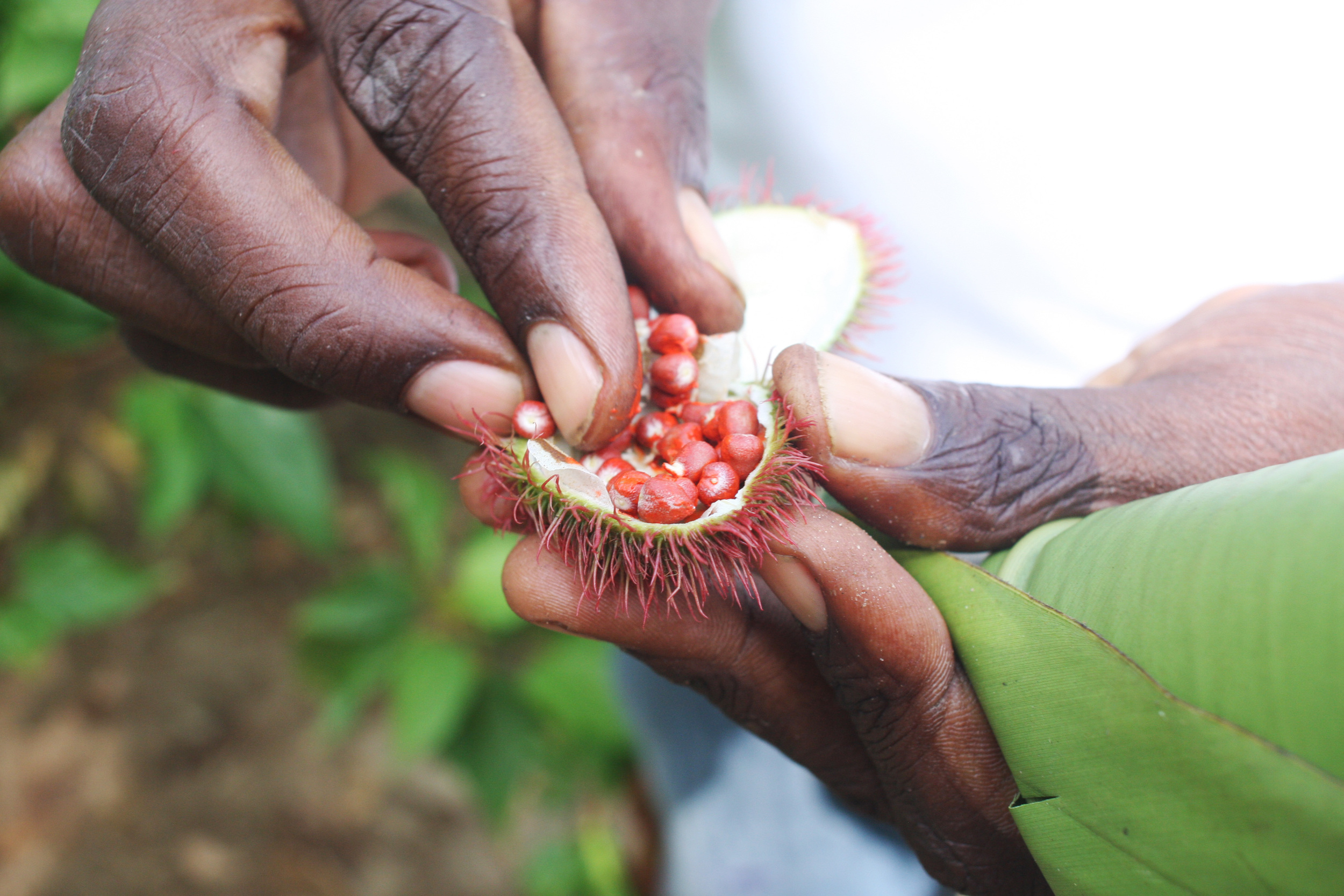
Favorite recipe: Zanzibar is known for its spices, so I stocked up while there.  And I was inspired to experiment with saffron.  This saffron chicken recipe is both easy and delicious.

Favorite song: A song by Syrian composer Kinan Azmeh and the Toronto orchestra. http://blog.onbeing.org/post/135510754561/the-syrian-composer-kinan-azmeh-performs-this

Favorite quote: Reminding myself of this as the New Year approaches:

Of all ridiculous things the most ridiculous seems to me, to be busy.
— Kierkegaard

Favorite comedic relief: Because she has no idea what she's talking about.

Favorite new word: acerbic - sour or astringent in taste; harsh or severe, as of temper or expression. From The Mermaid Chair by Sue Monk Kidd

Favorite product: It's always hard to resist traditionally-made textiles, so we picked up these pillowcases in Zanzibar.

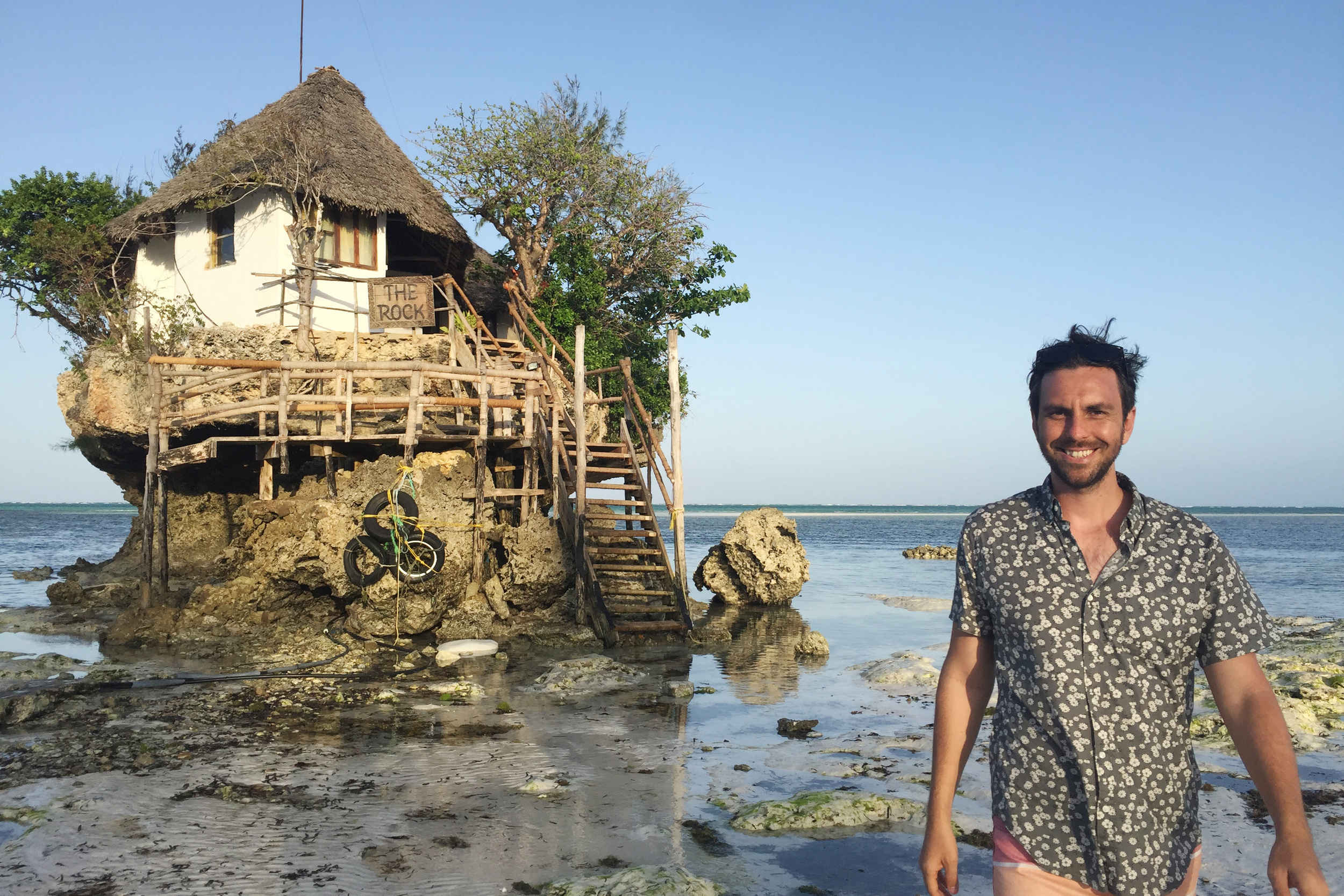
Zanzibar - paradise on the beach

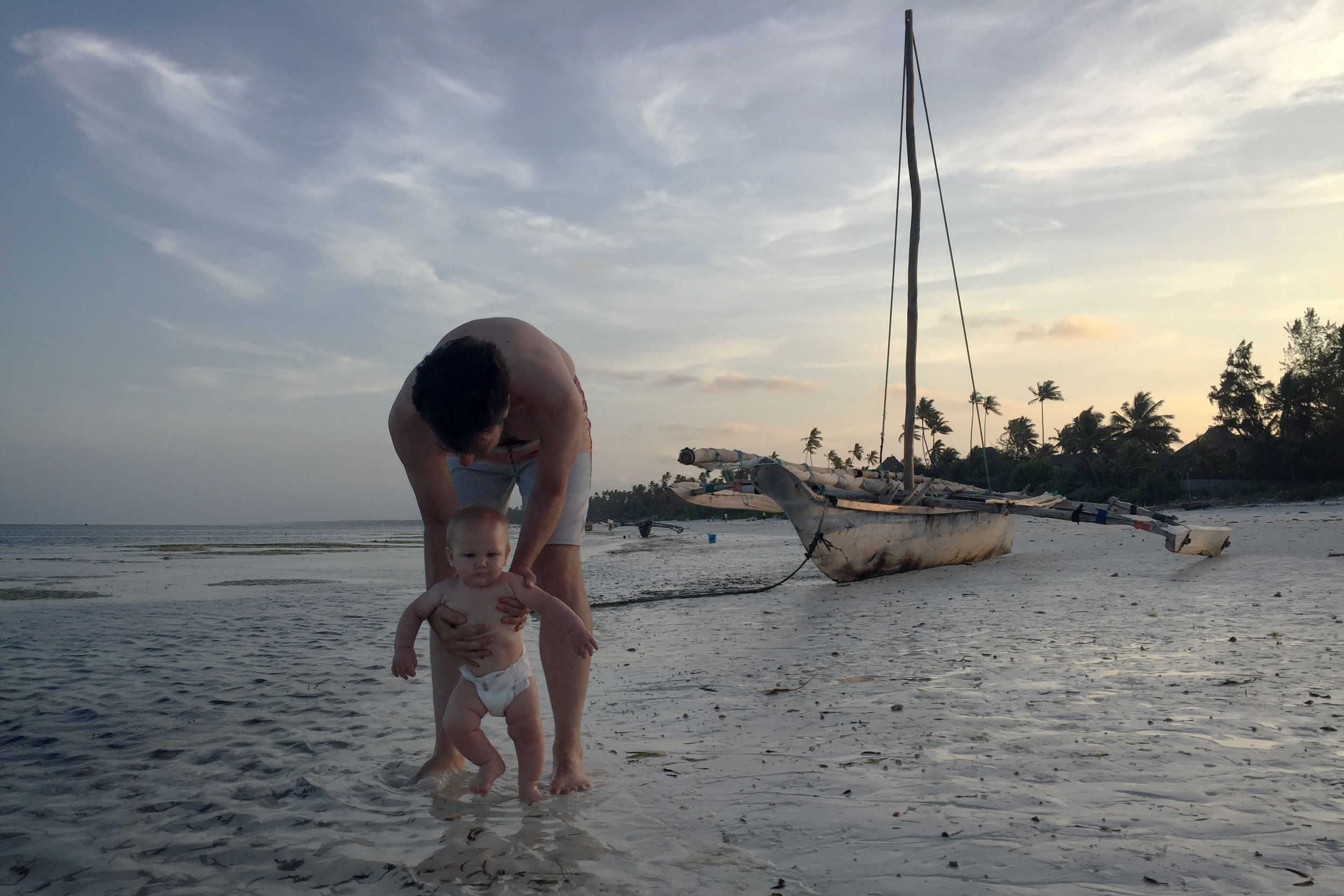
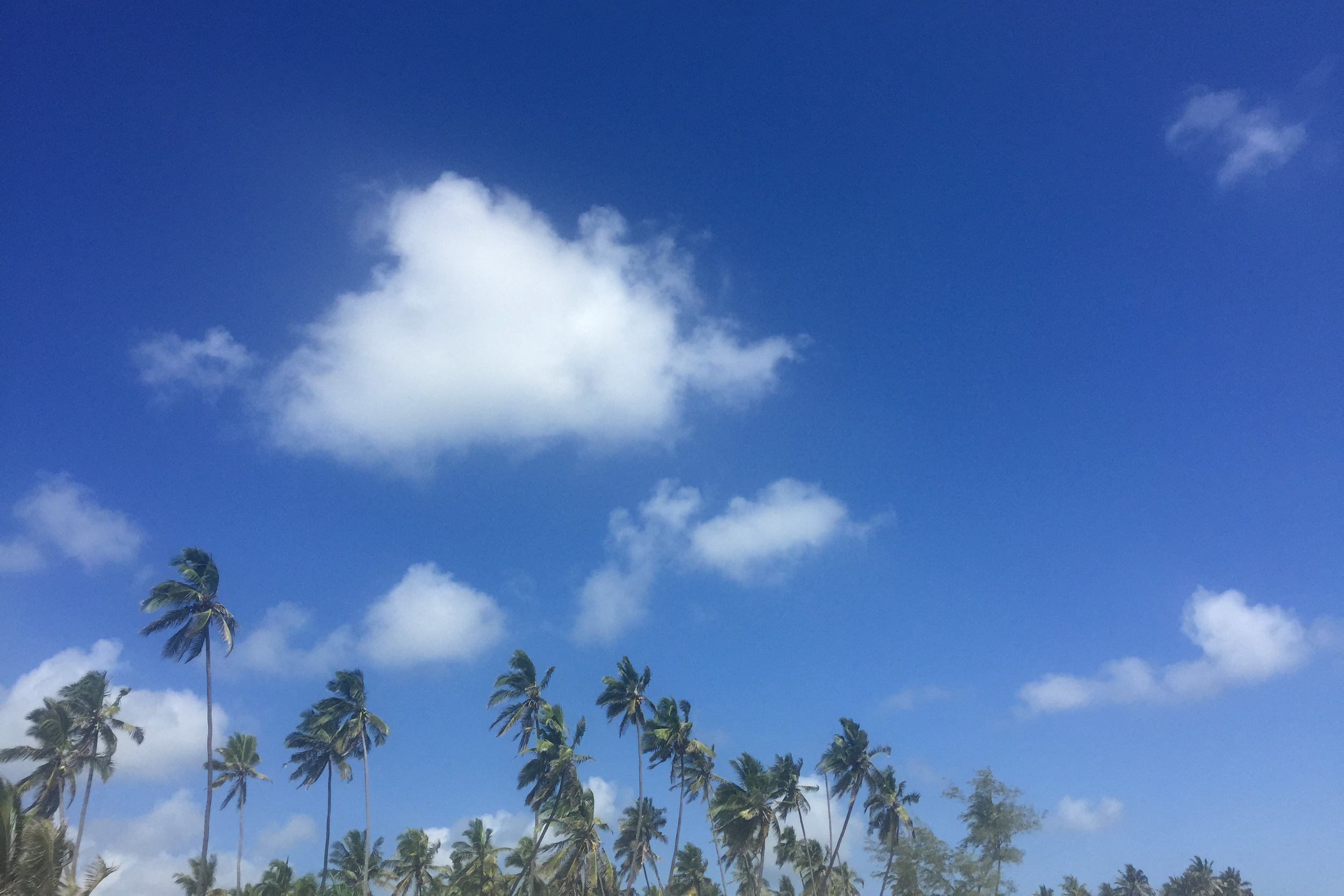
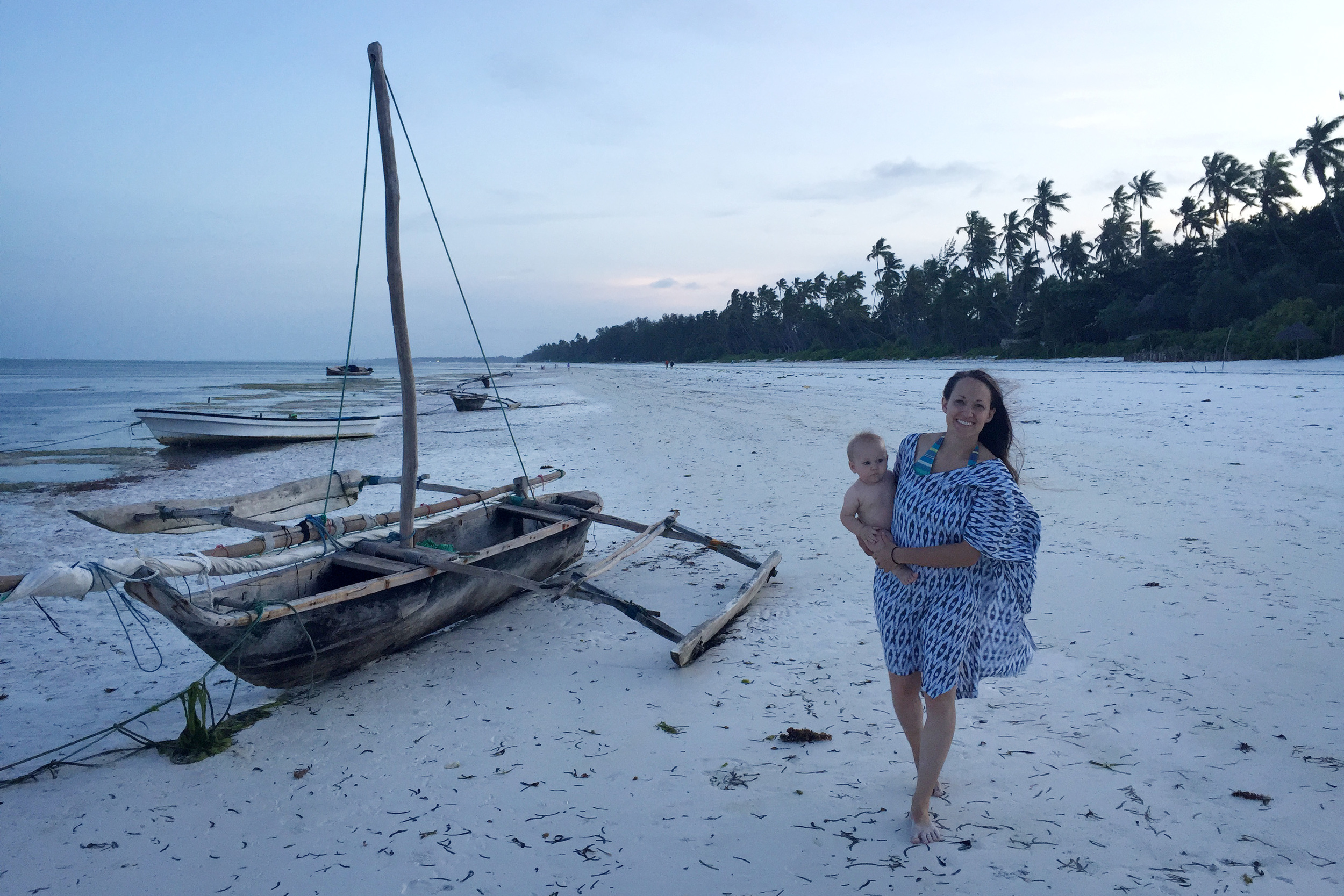
Spending Christmas on a beach in Zanzibar is altogether different than the Christmases I knew in Indiana.  I traded a snowy white Christmas for a white sand beach and Christmas cookies for fresh coconut juice, but it was no less of a holiday.

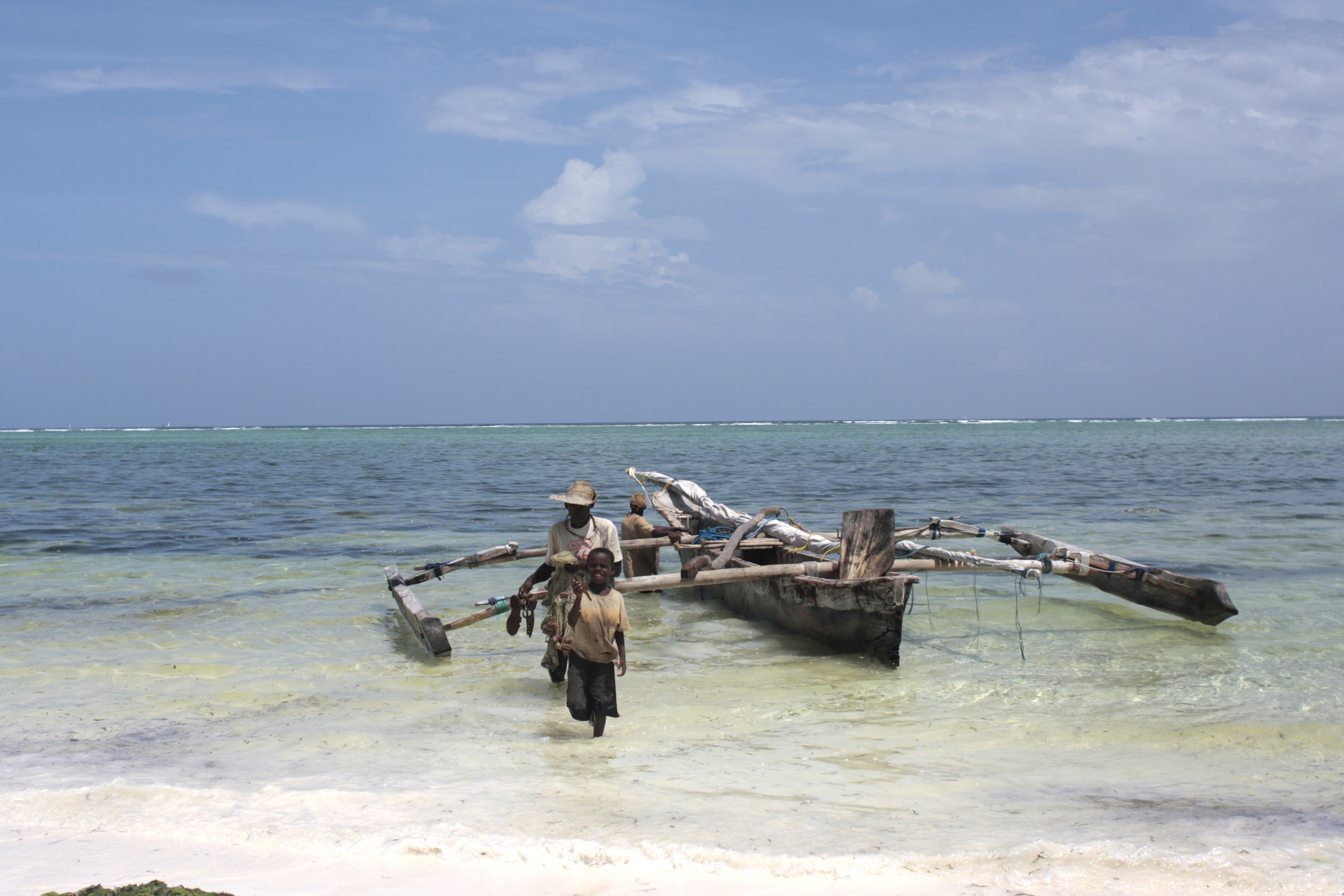
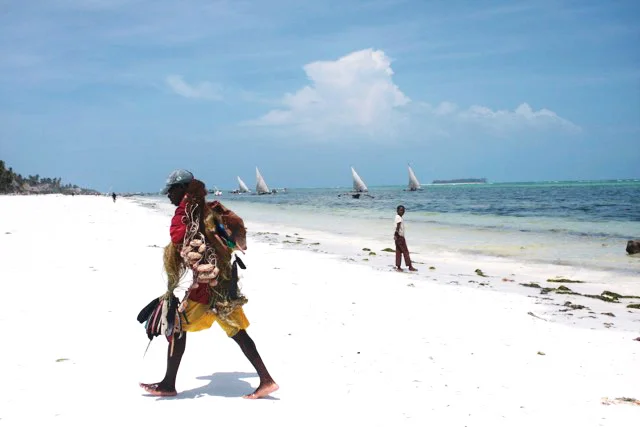
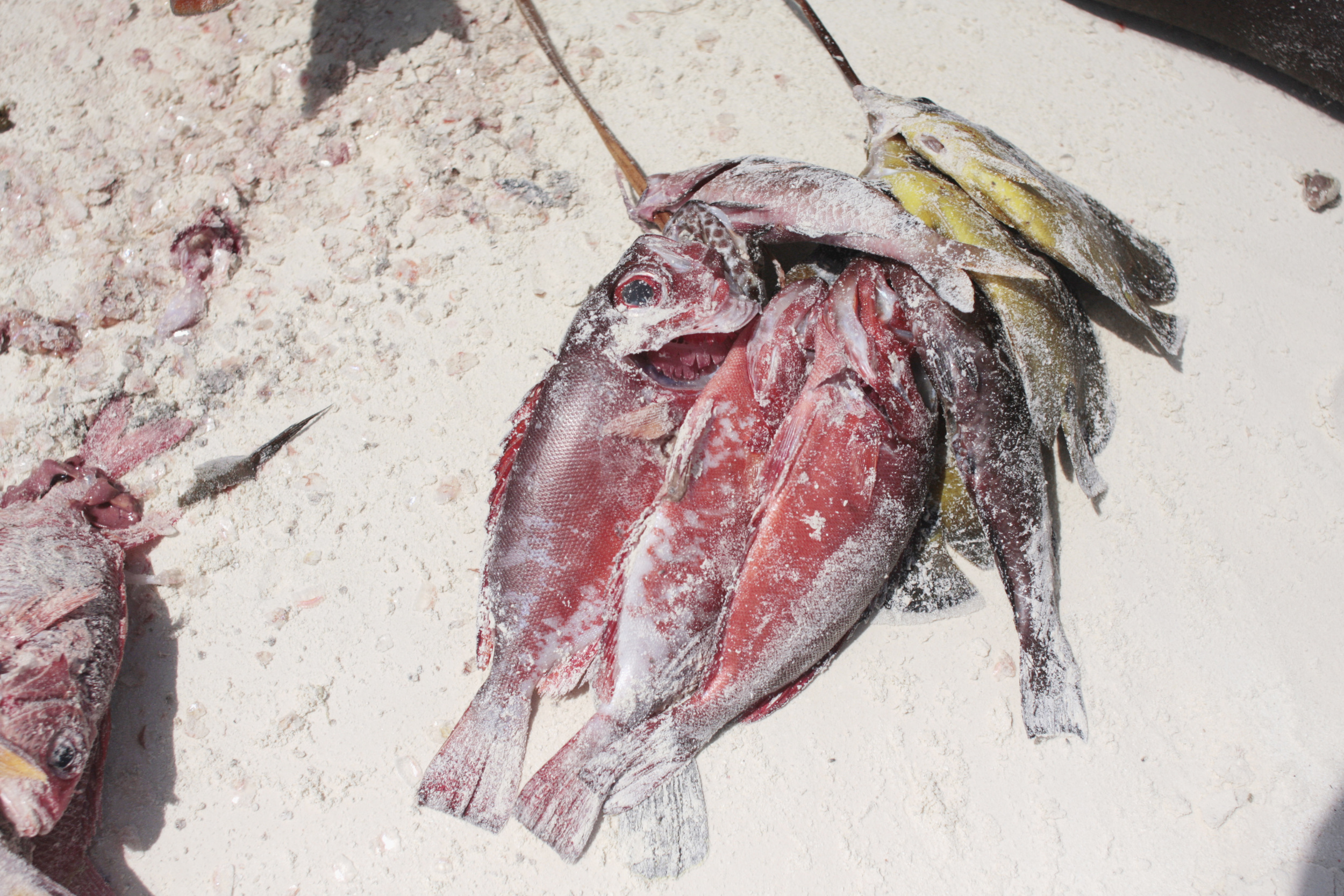
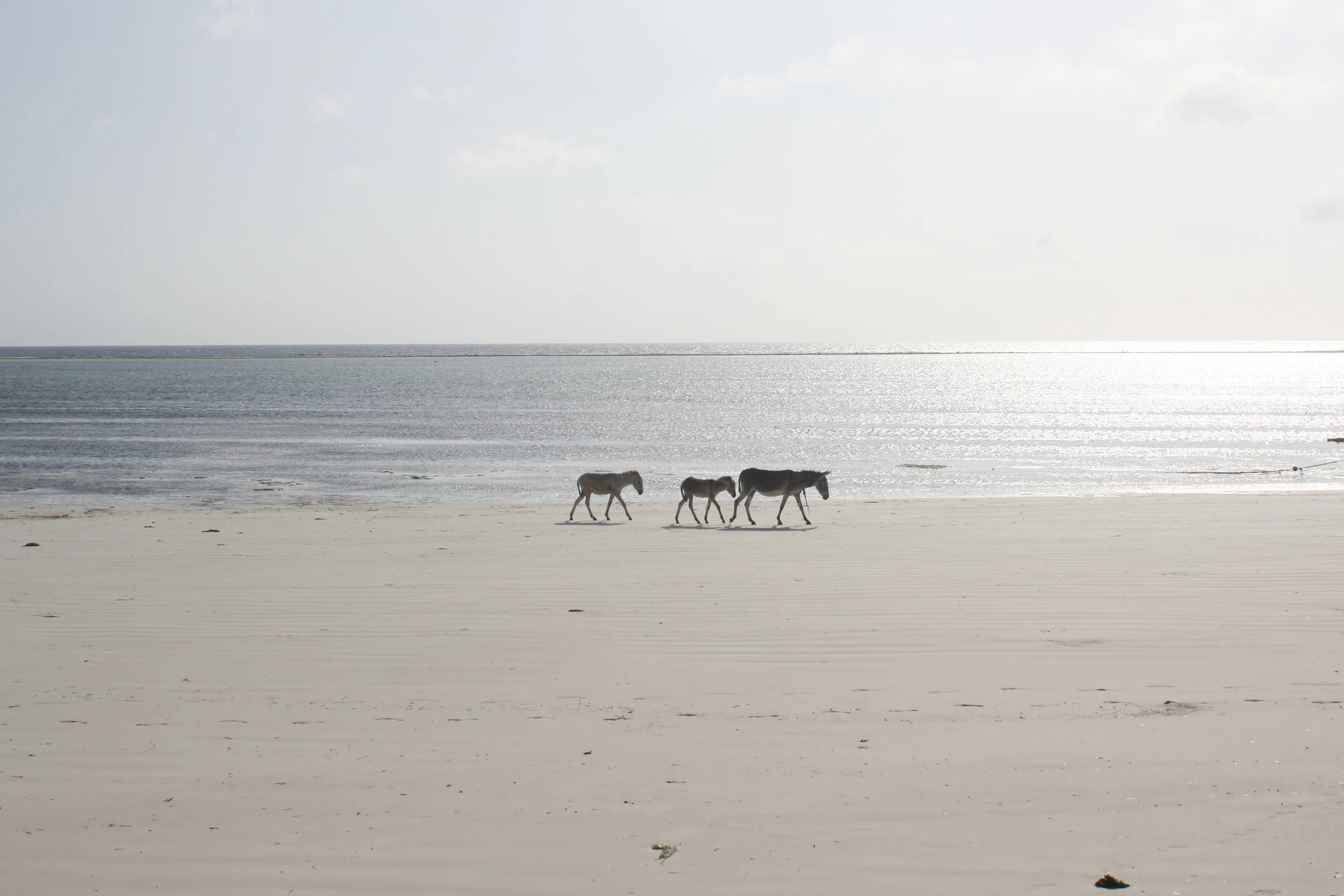
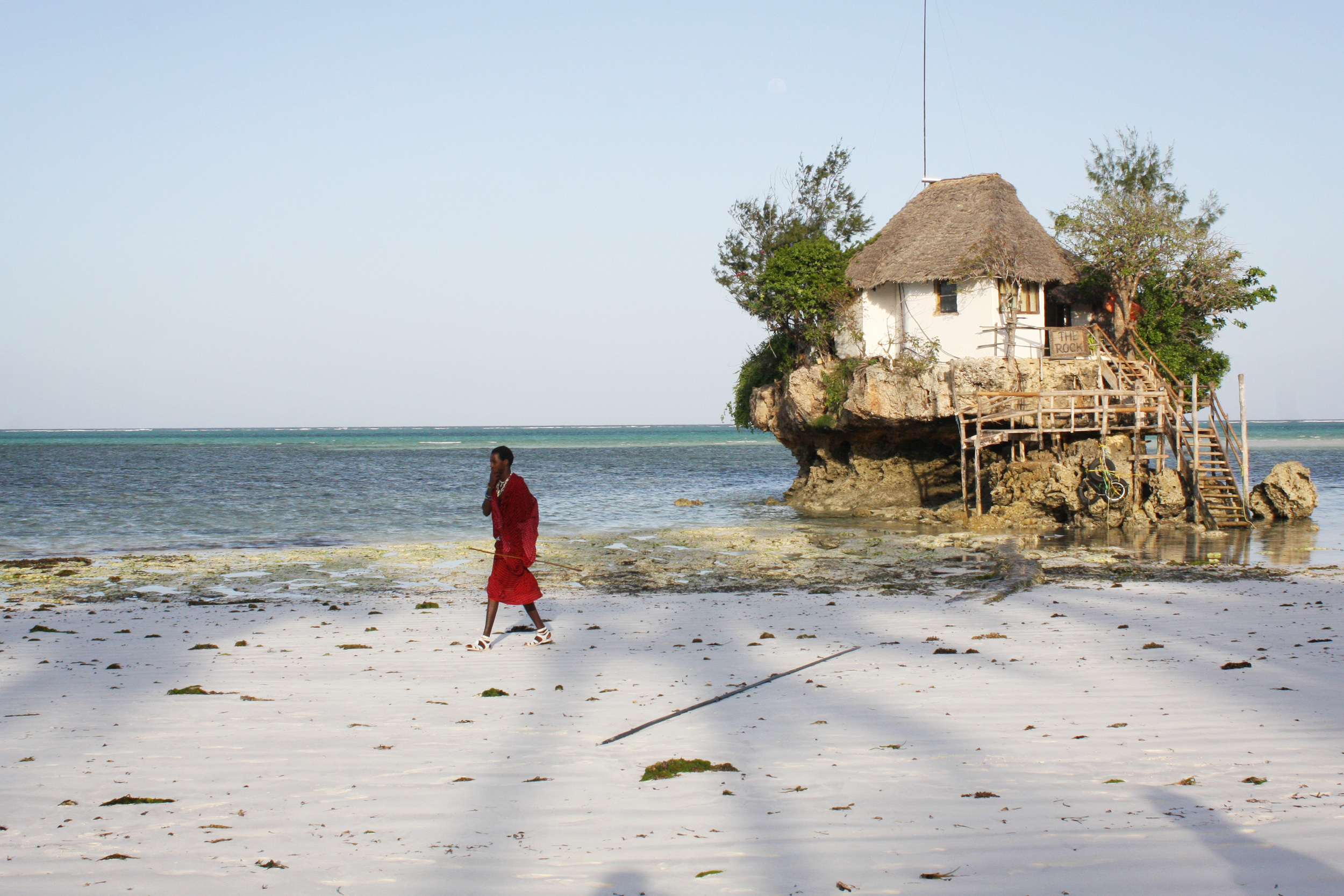
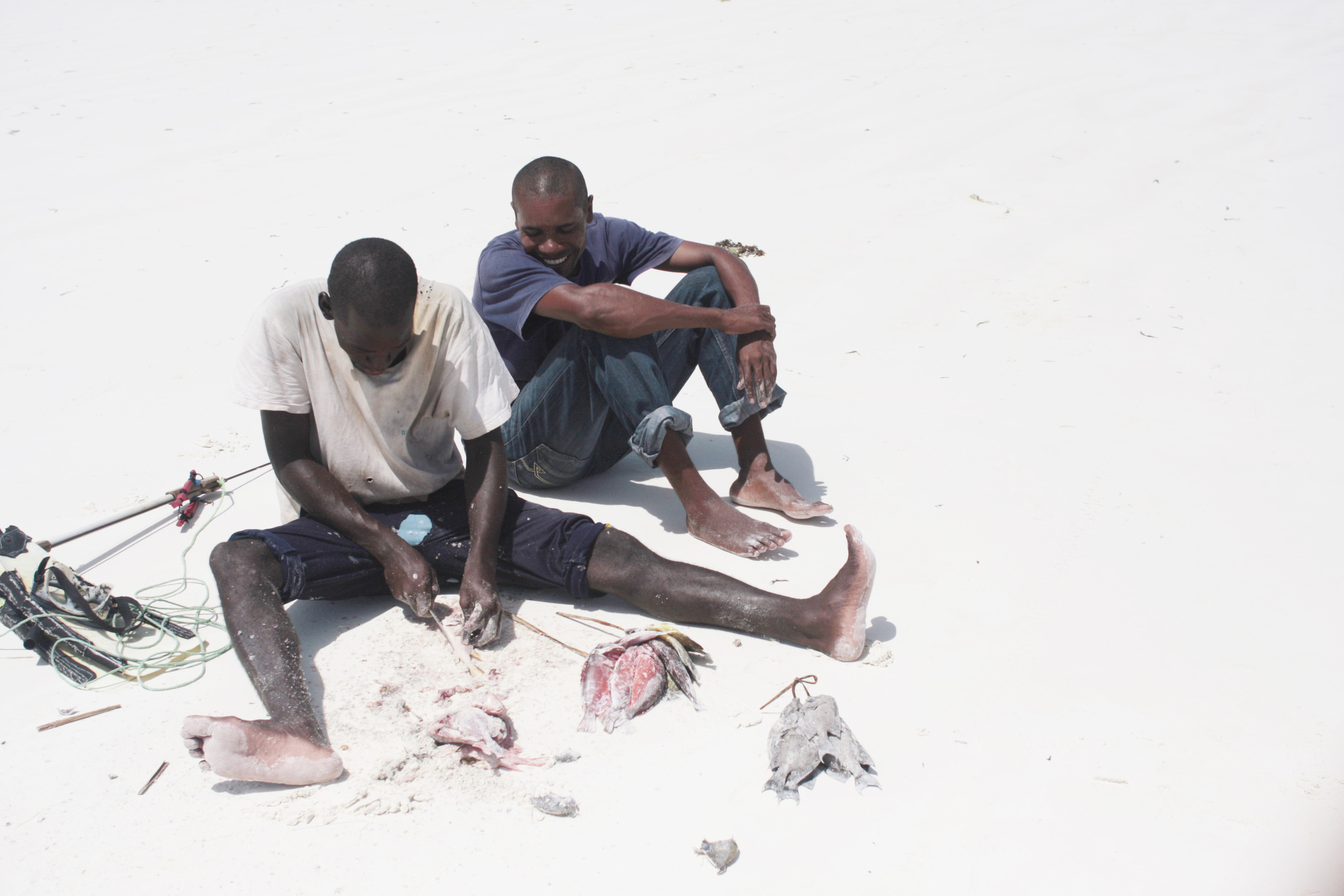
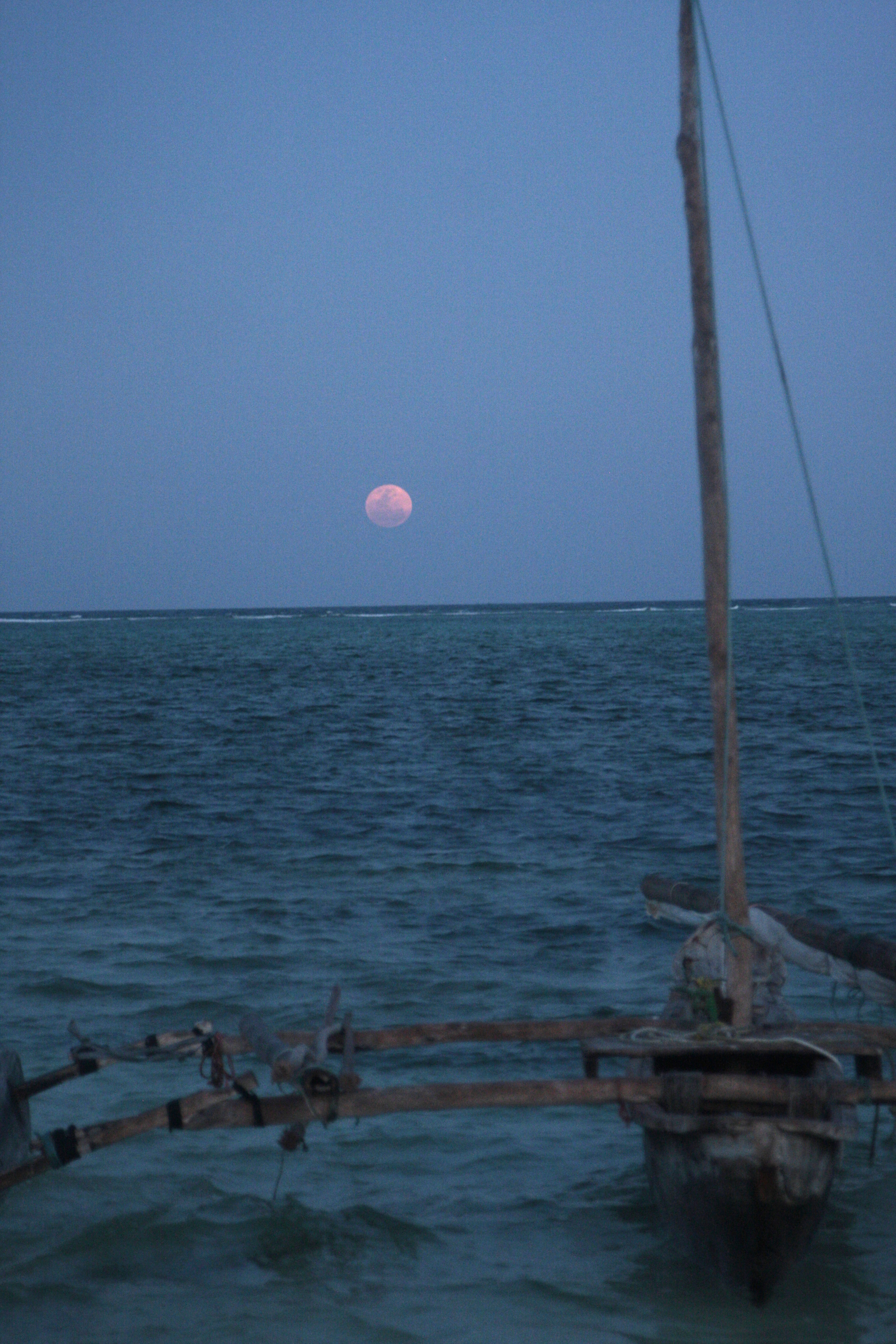
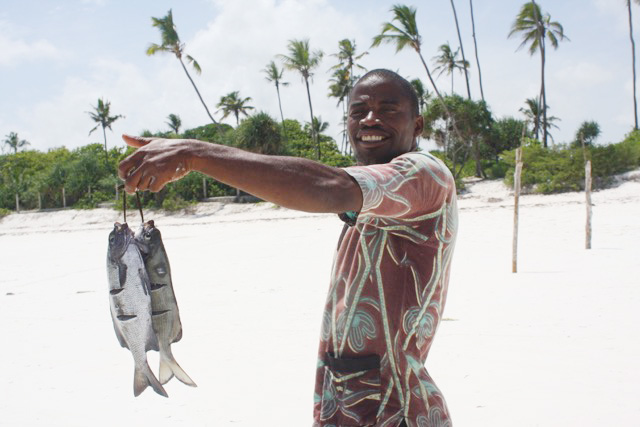
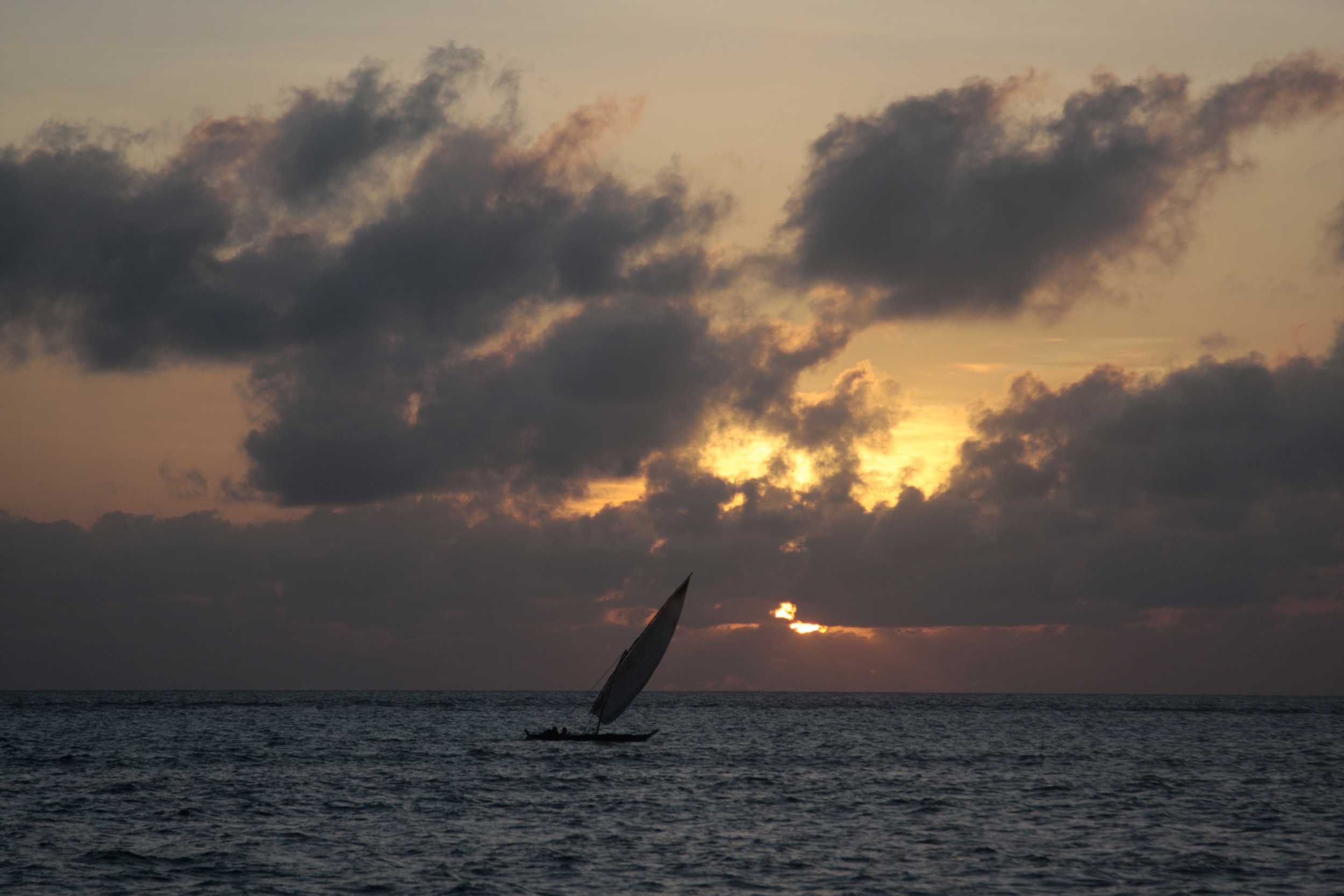
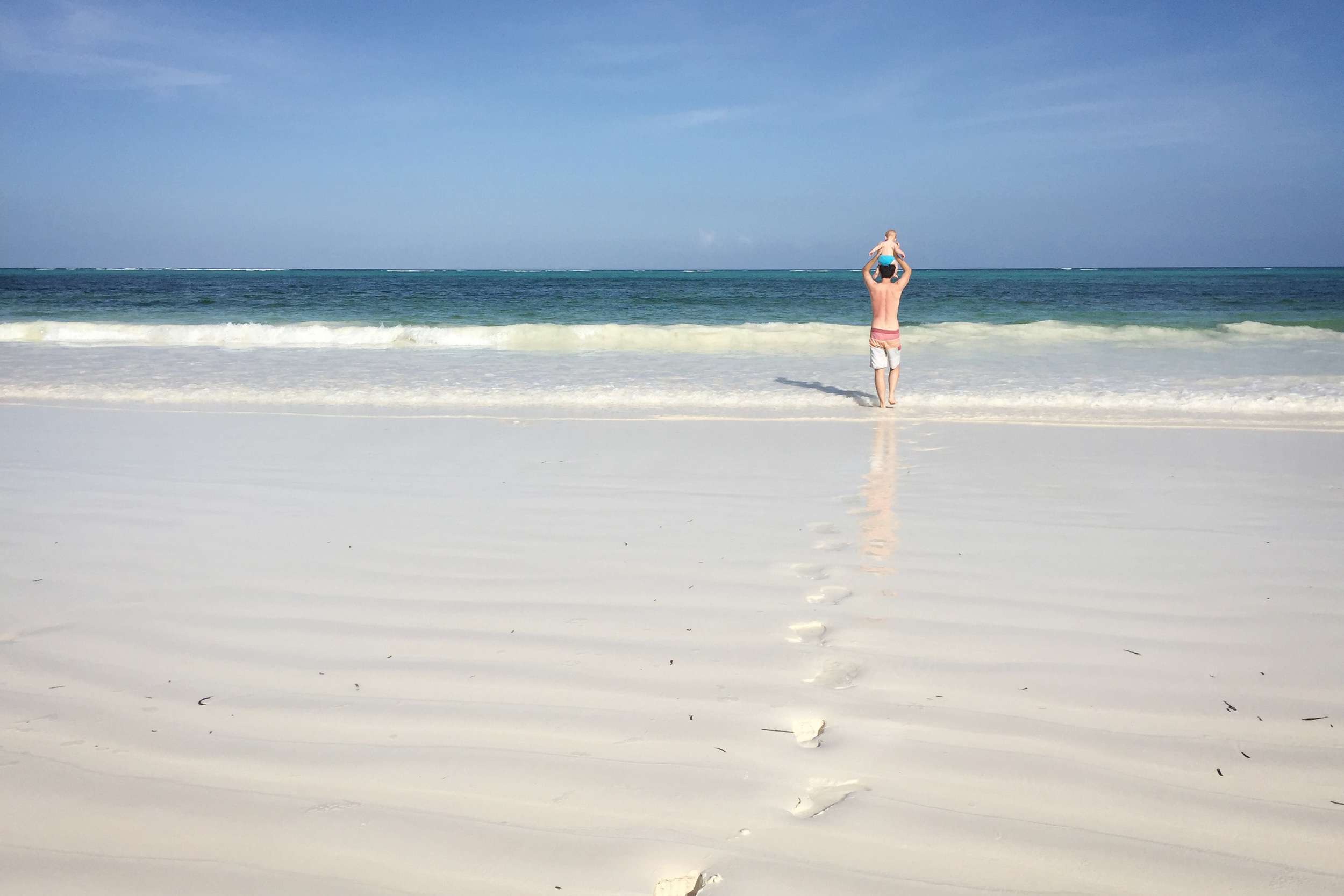
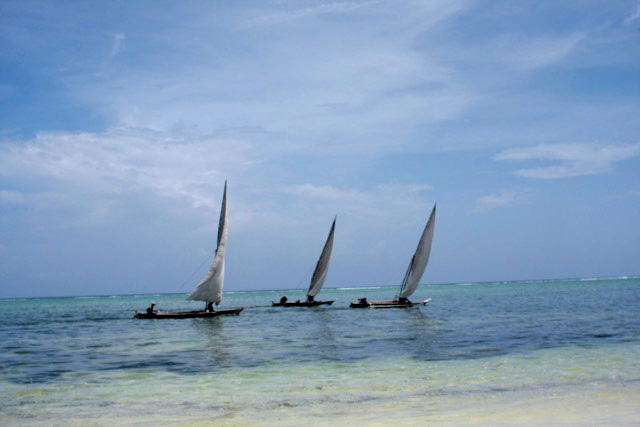
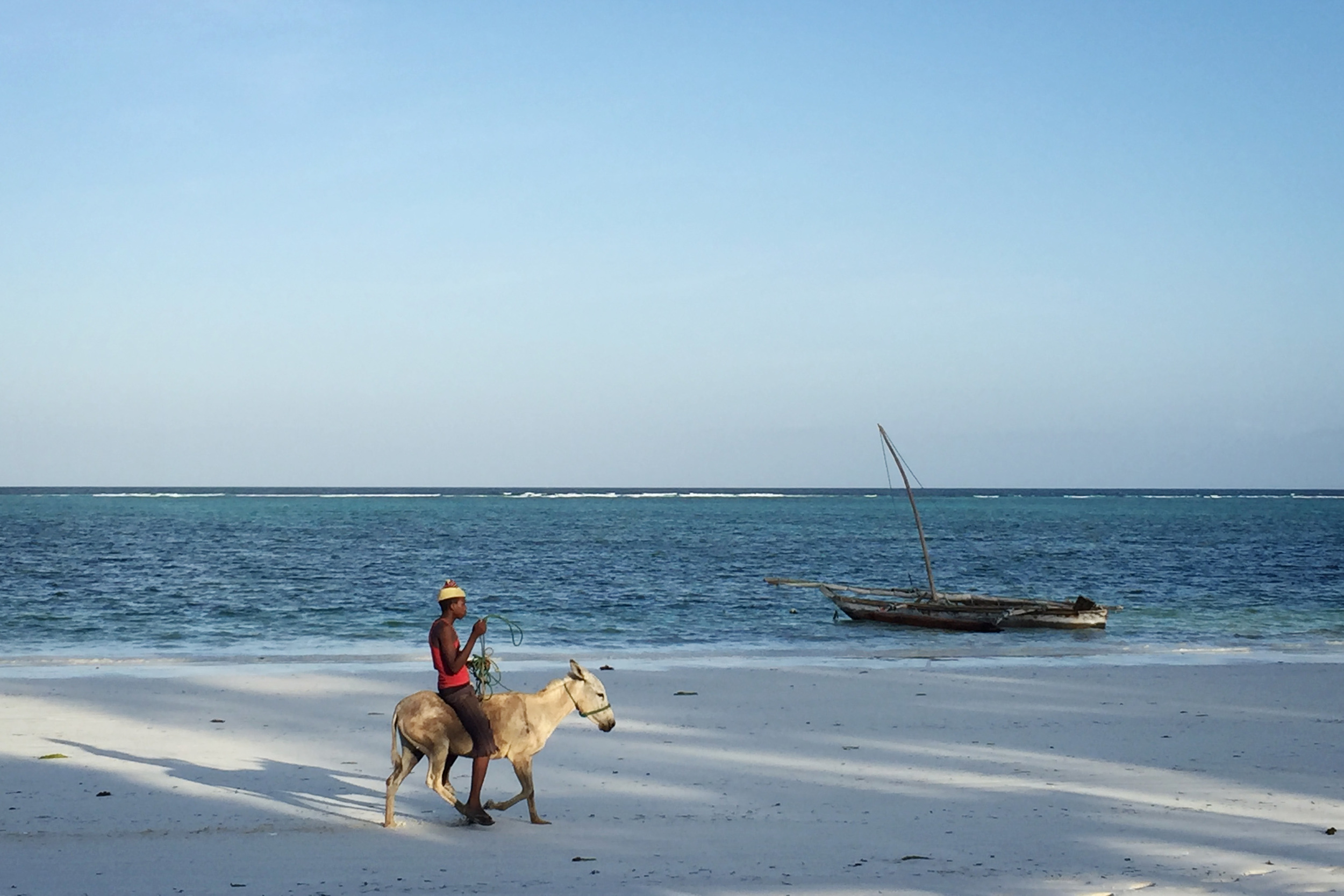
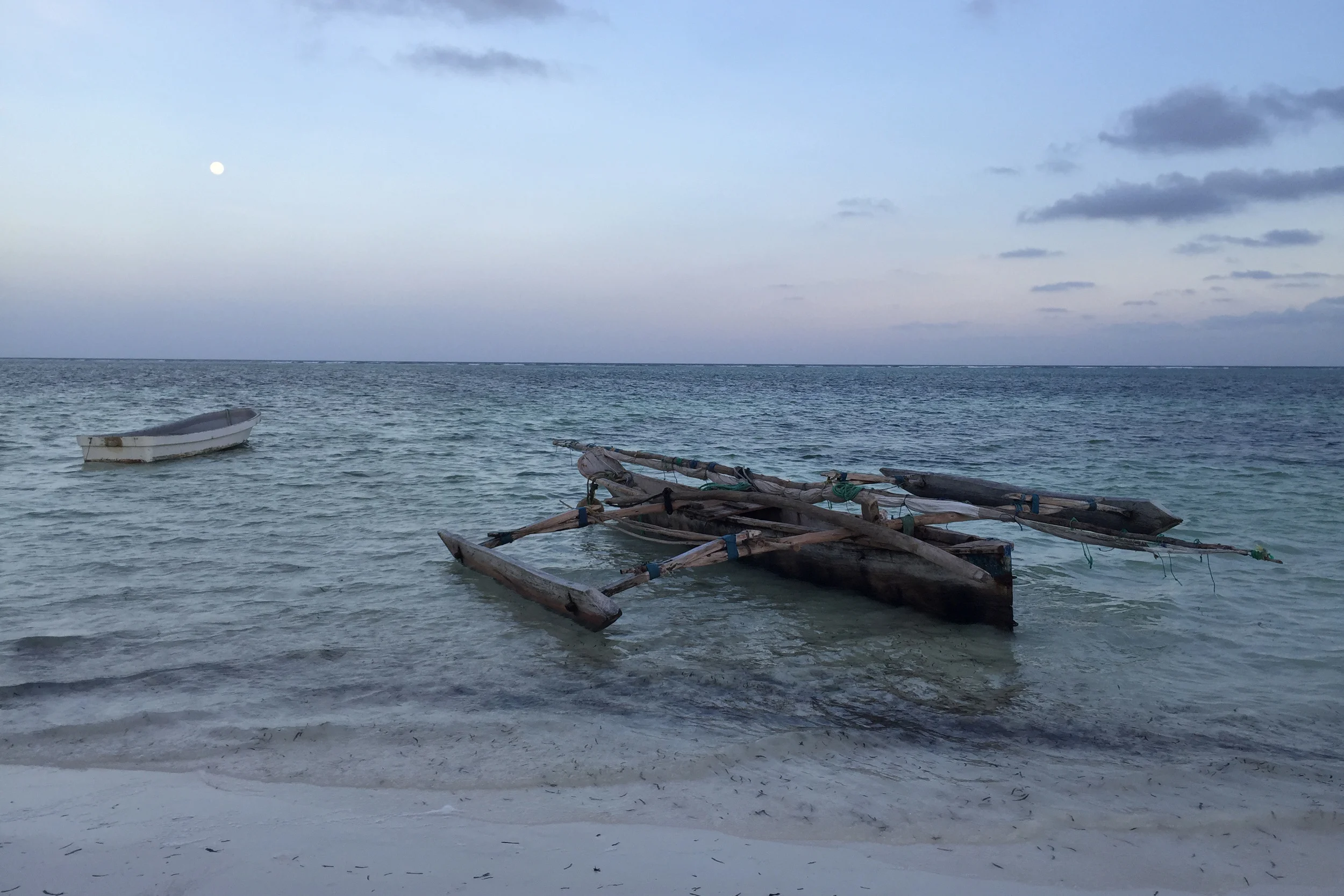
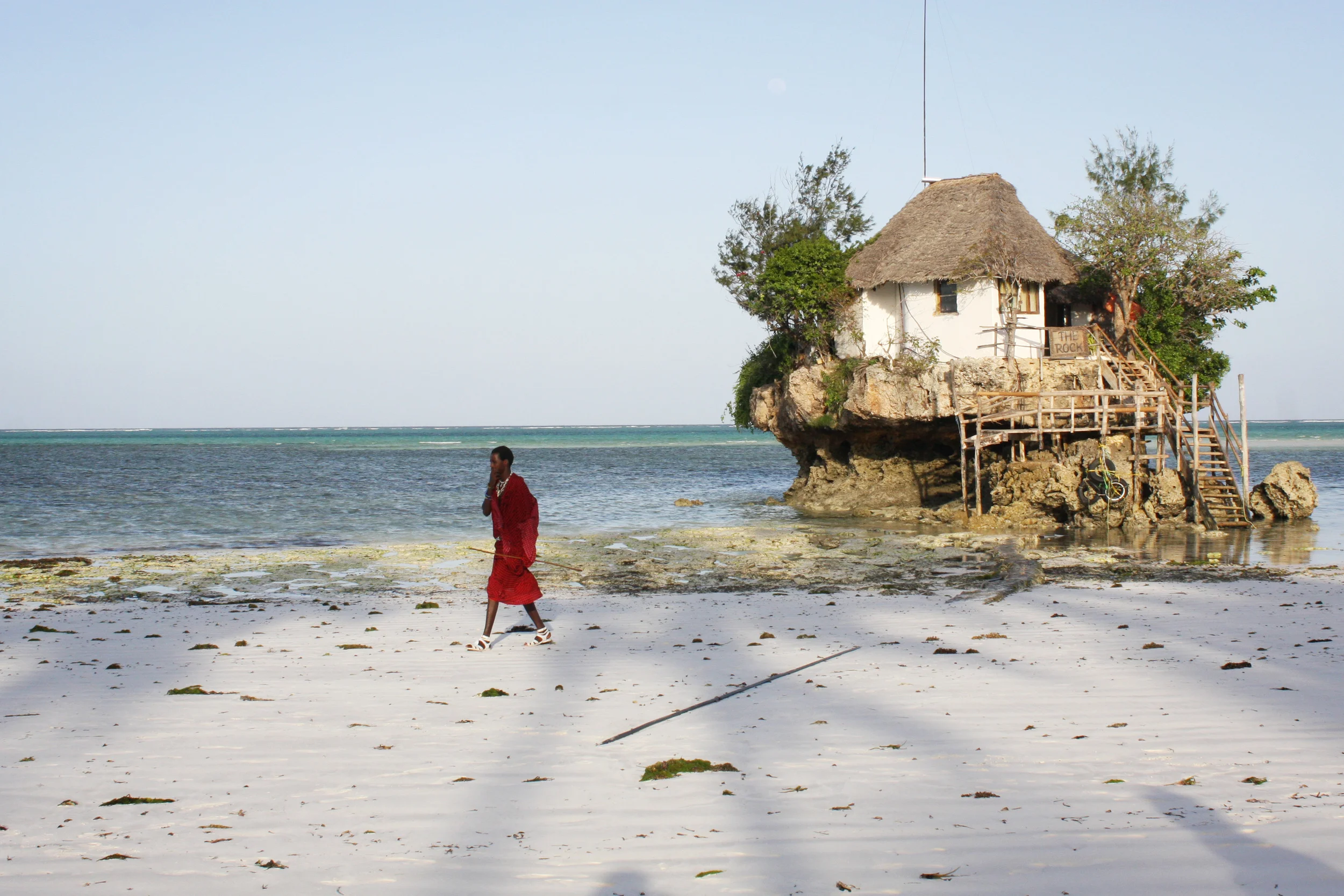
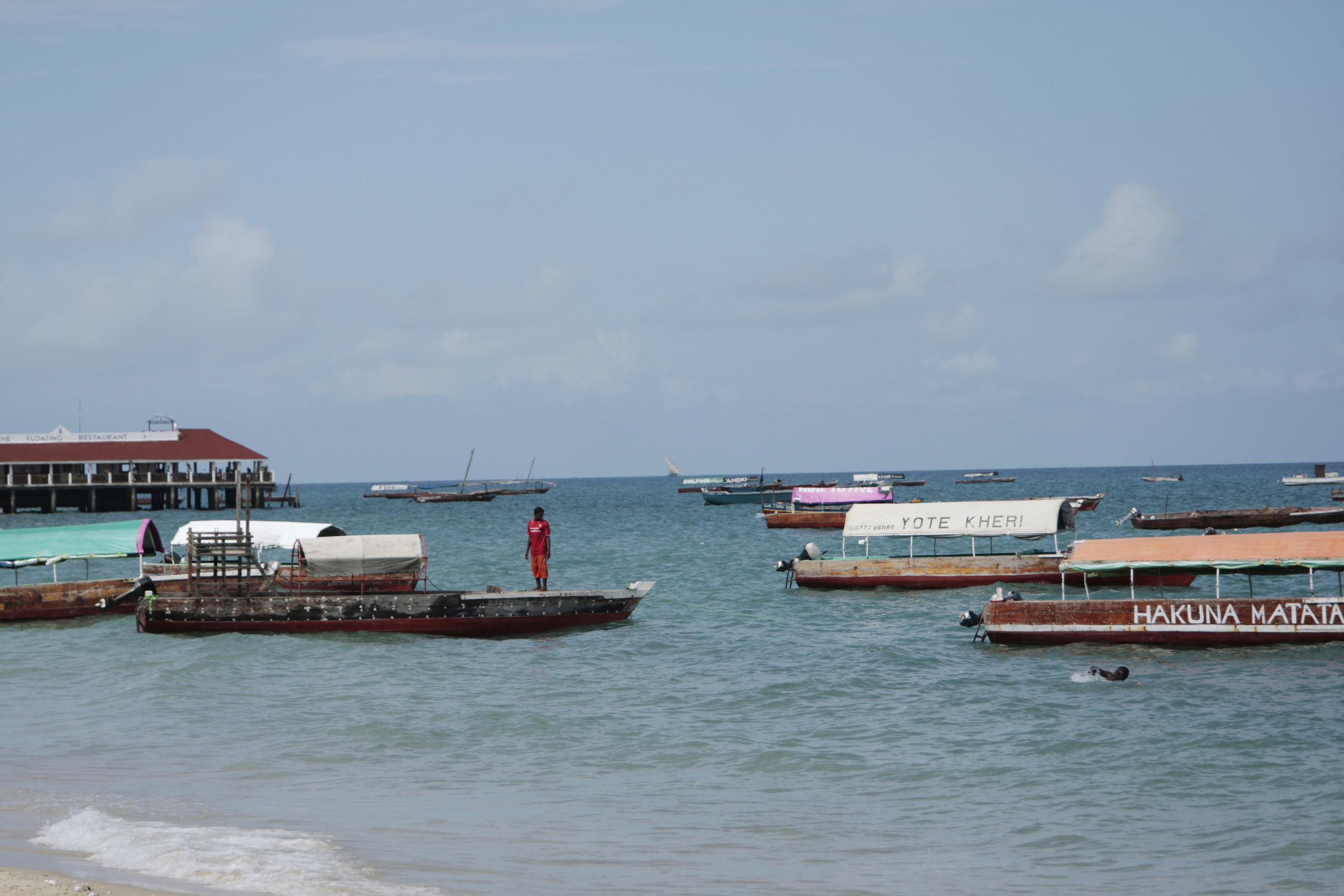
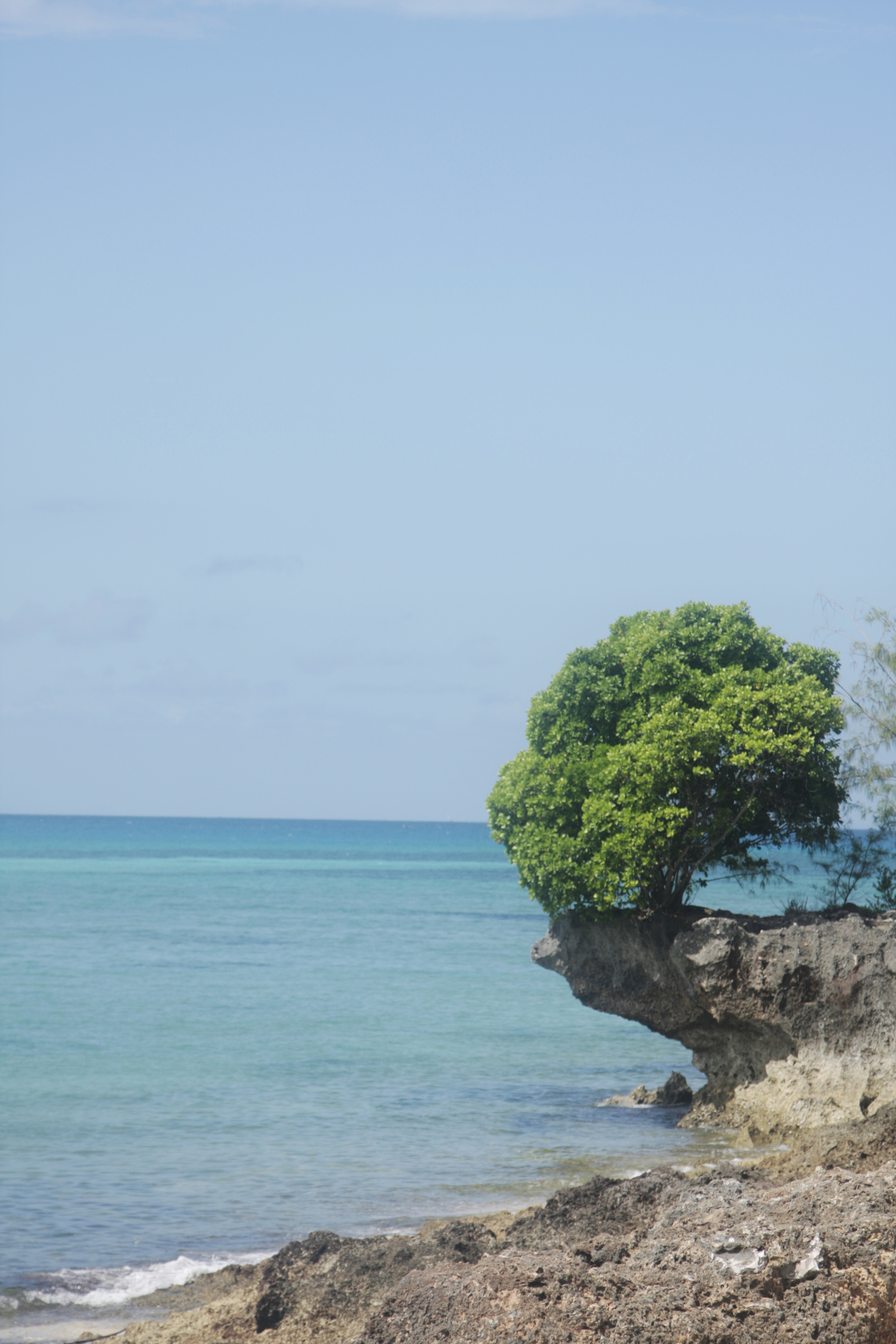
We met Eric's parents in Zanzibar after spending a couple days in historic Stone Town, and we headed to Matemwe beach - an idyllic beach with warm, turquoise water, soft, white sand, and fisherman patroling the coast in their dhows to bring in fresh seafood.  We quickly got into a relaxation rhythm of reading our books in the sun, walking on the beach, and playing in the ocean with Leo.  We were truly on vacation, leaving all our responsibilities and cares behind for a week, and my only solace in leaving was hoping that we would be back one day.

Zanzibar - Stone Town and Prison Island

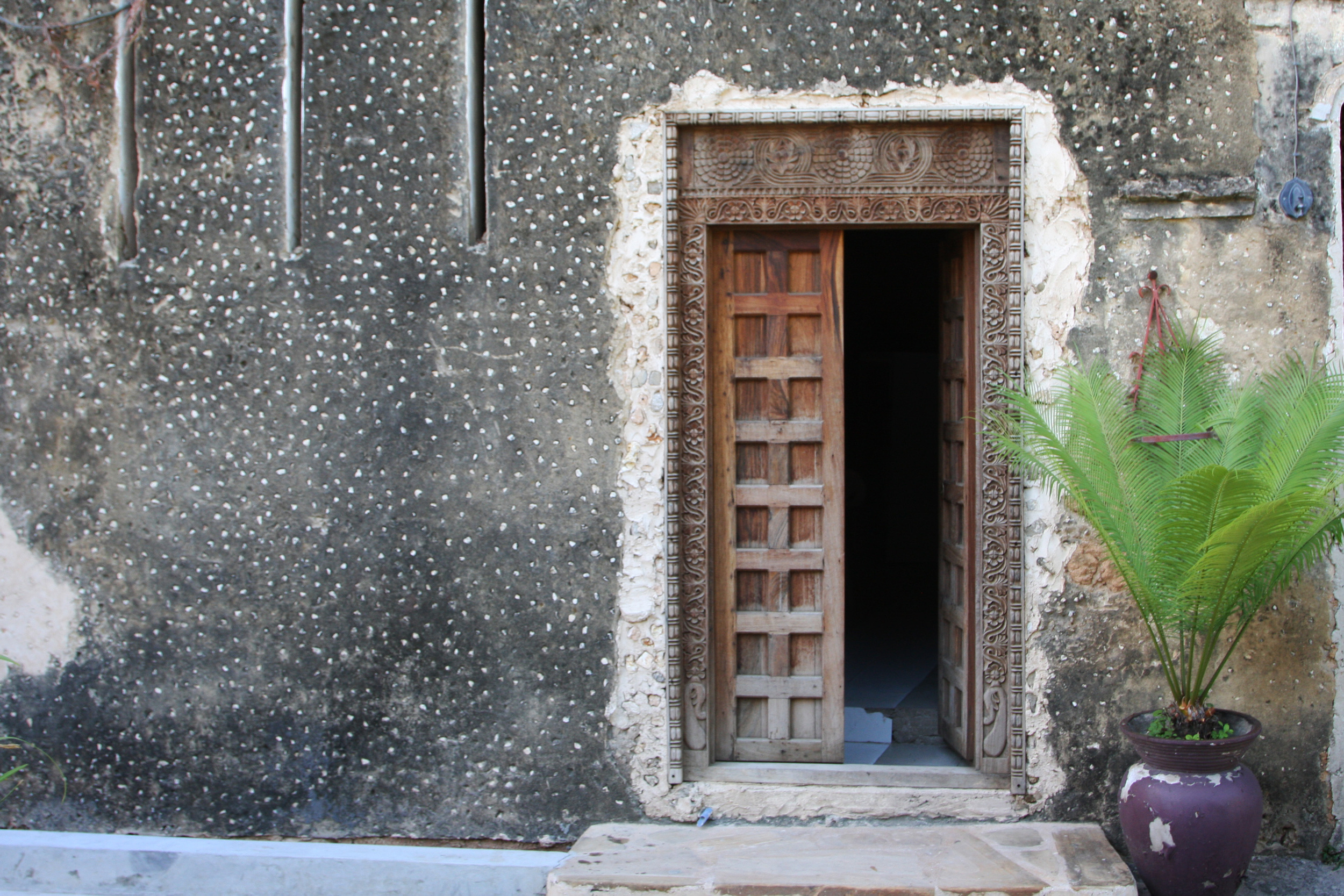
Zanzibar has been on my travel bucket list since I moved to East Africa.  I've always fostered a burning jealousy whenever one of my friends visited Zanzibar and I would see their pictures of what looked like paradise.  Ever since Eric and I took a road trip up and down the Kenyan coast a few years ago, I've fallen in love with the Swahili coast - its blend of cultures, its incredible architecture and decor, its idyllic beaches and warm Indian Ocean water - it never gets old.  So Zanzibar, an island off the coast of Tanzania that is bursting with history and culture, had become kind of a Swahili mecca in my mind.  And this year for Christmas, I finally took the pilgrimage.

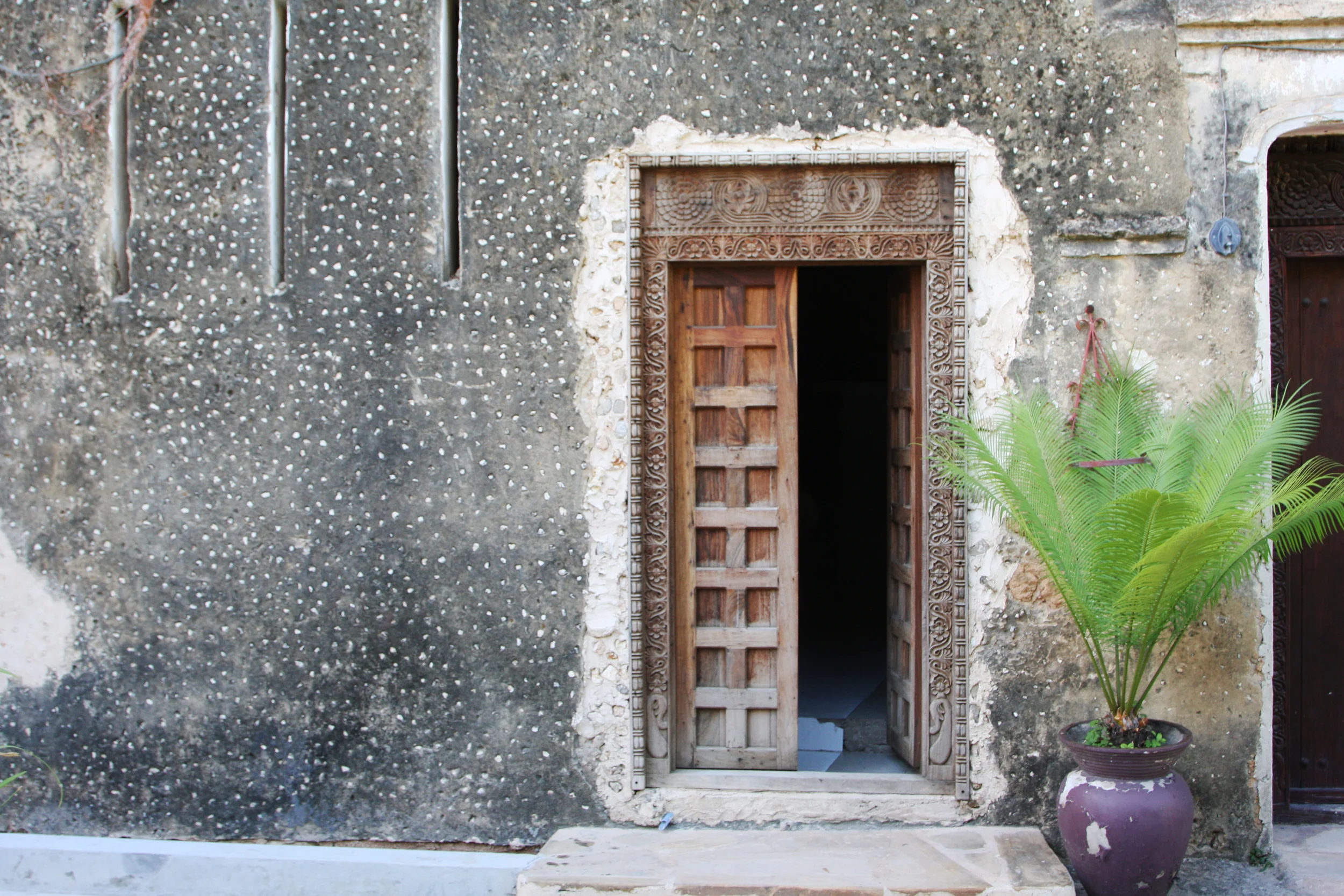
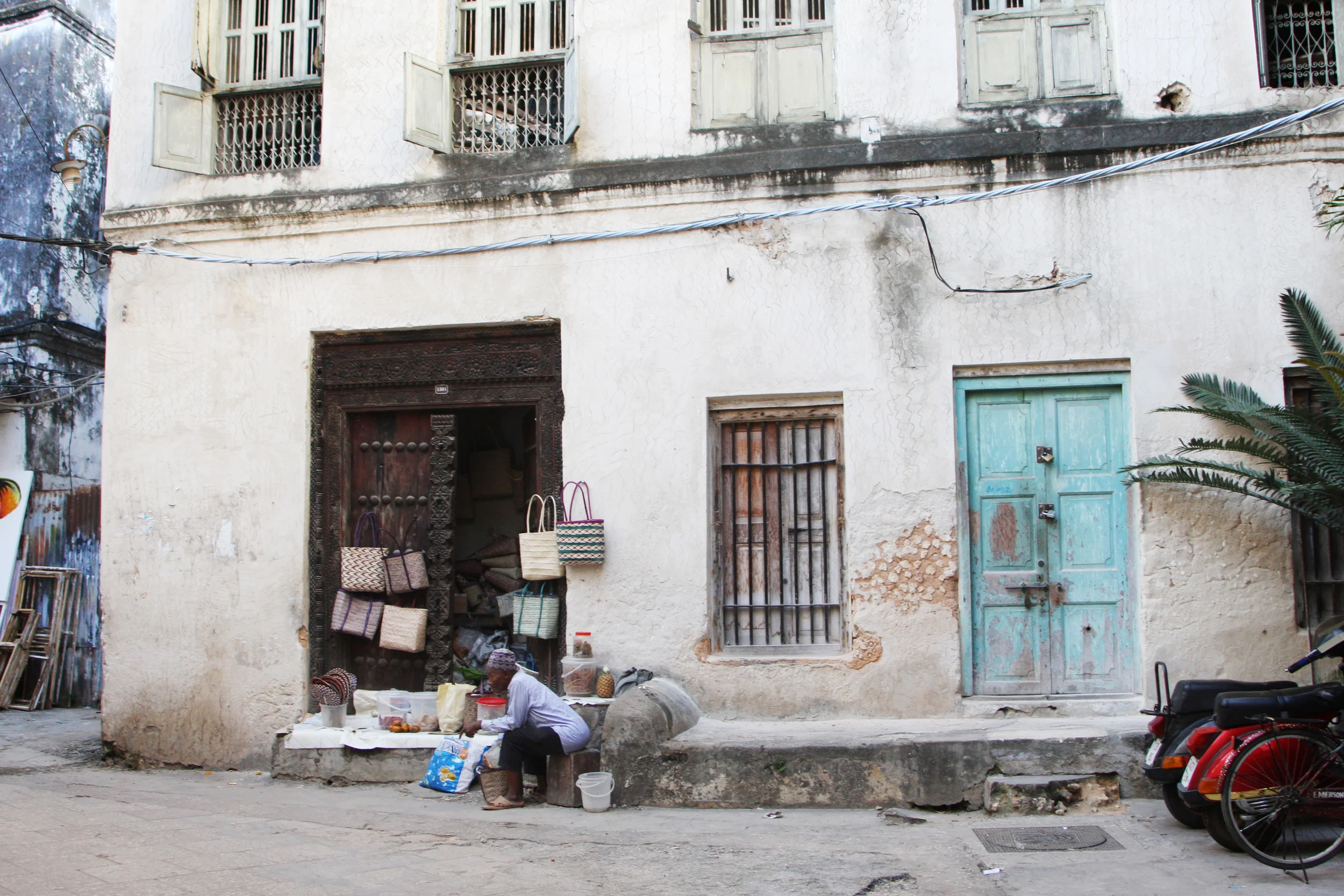
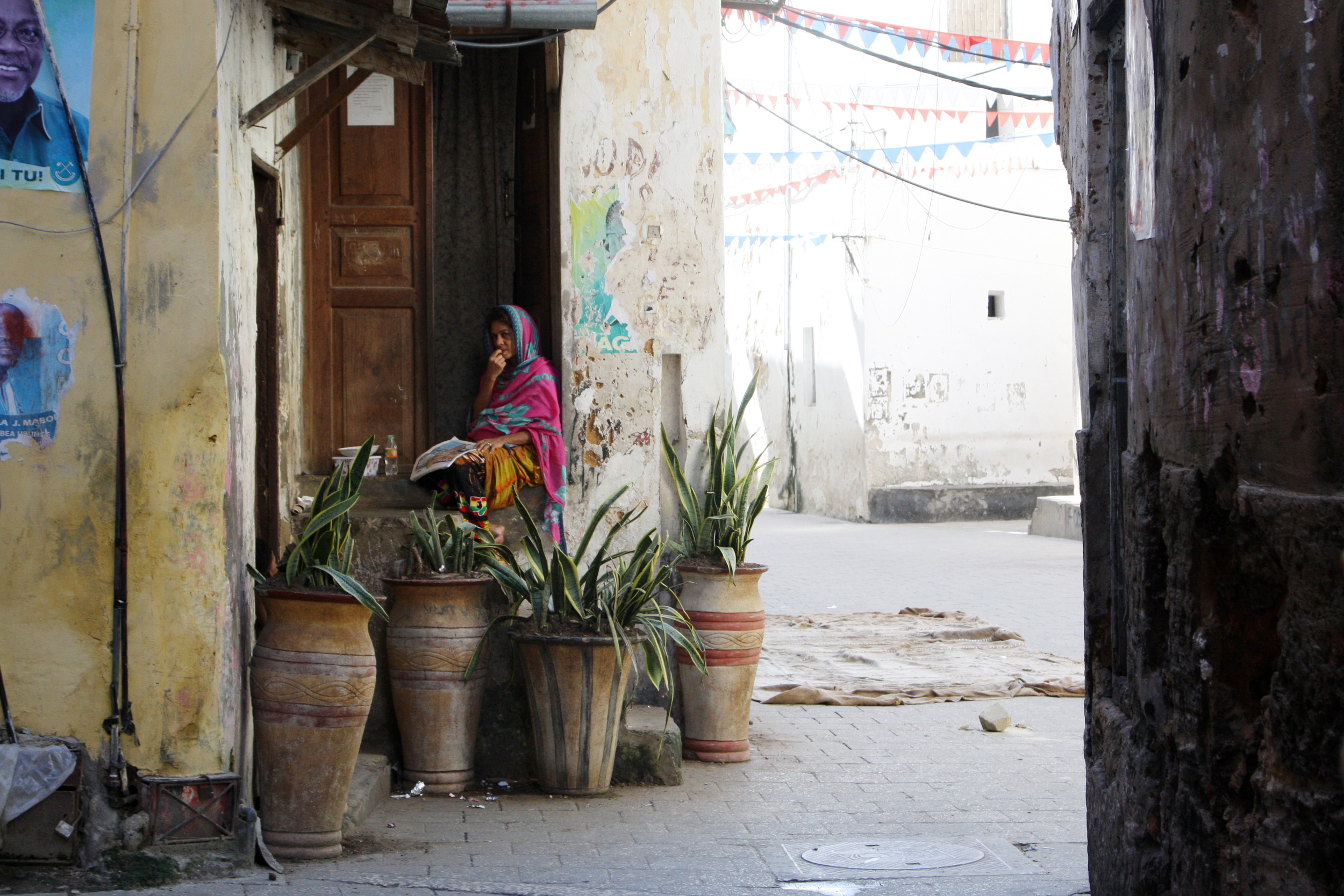
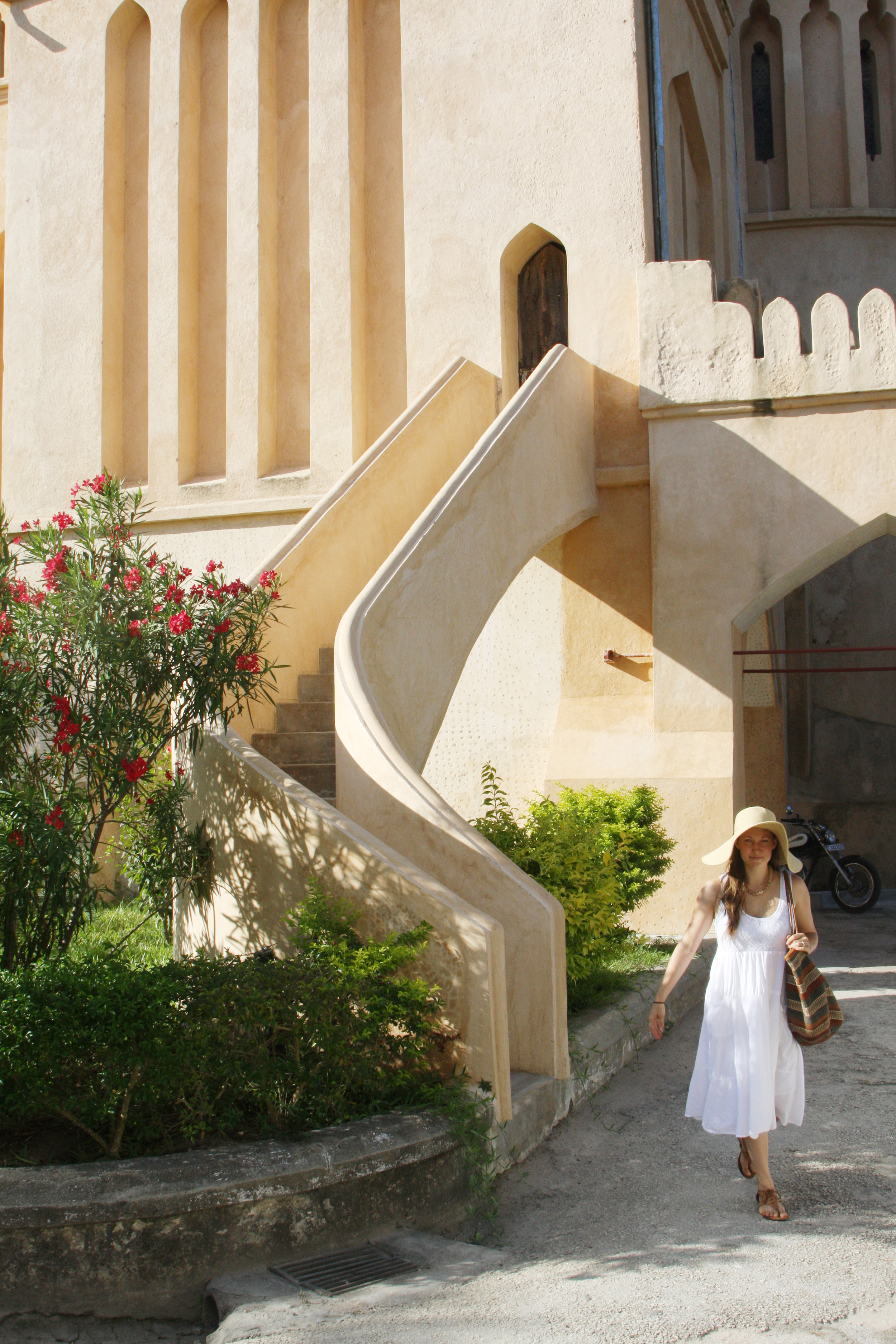
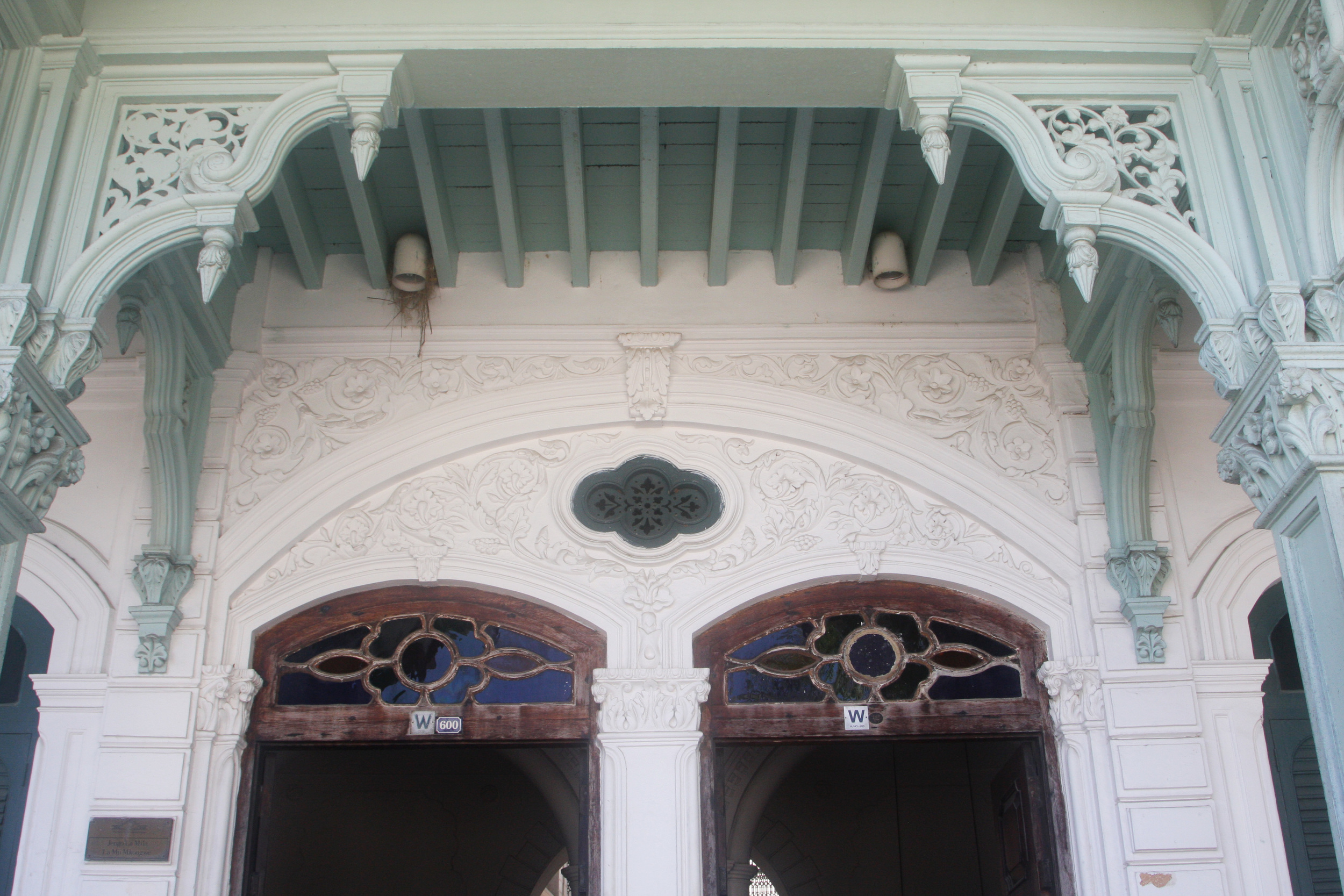
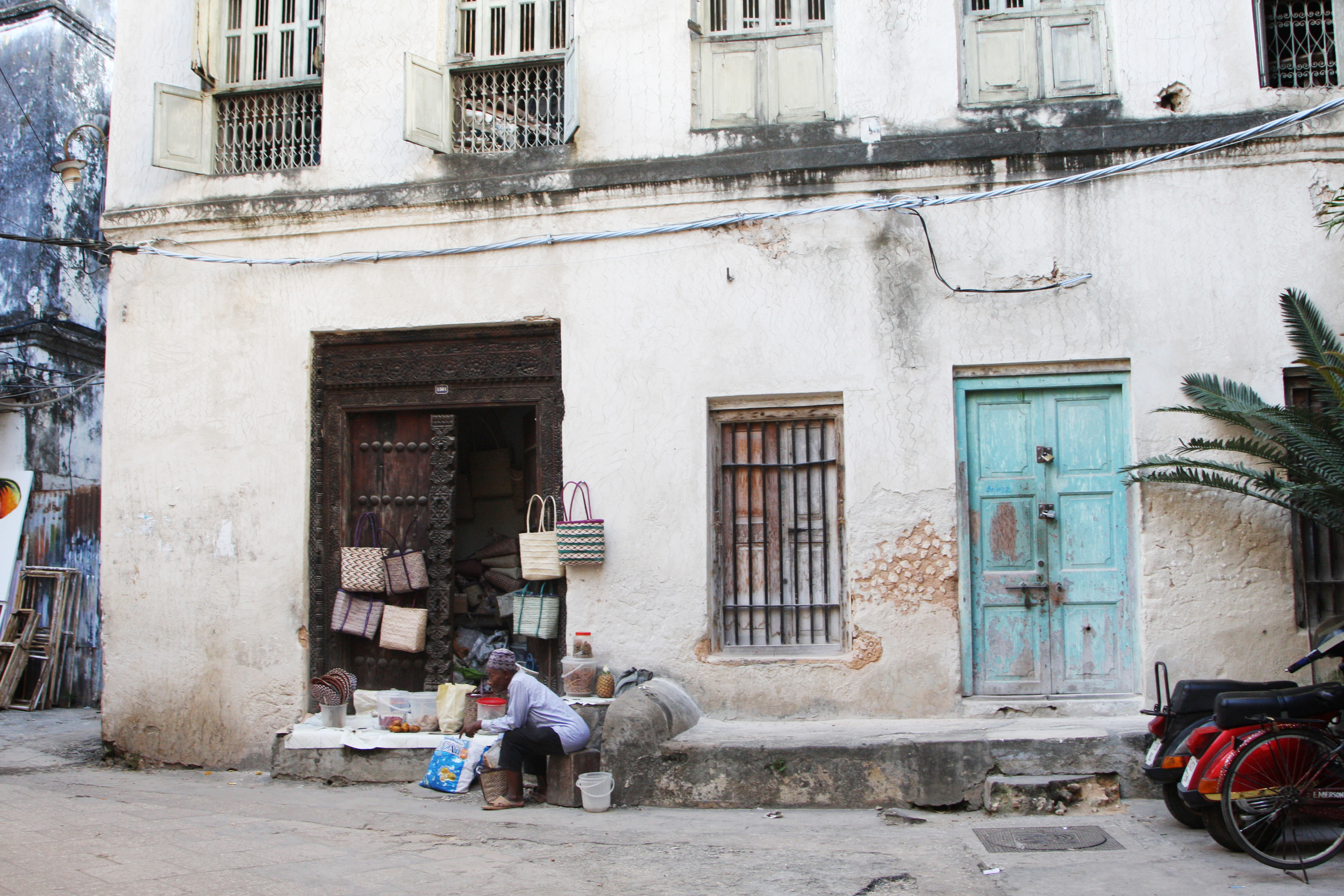
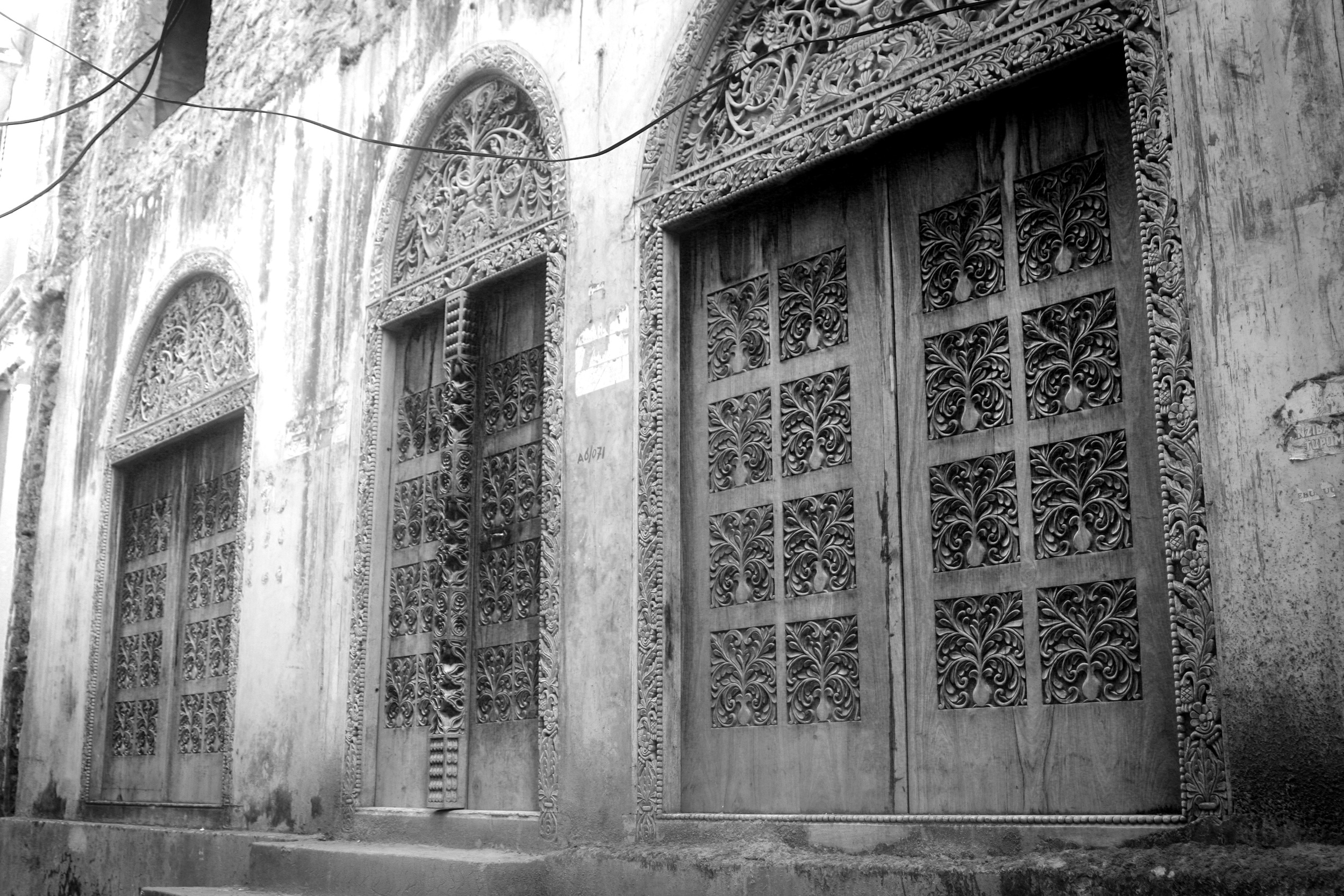
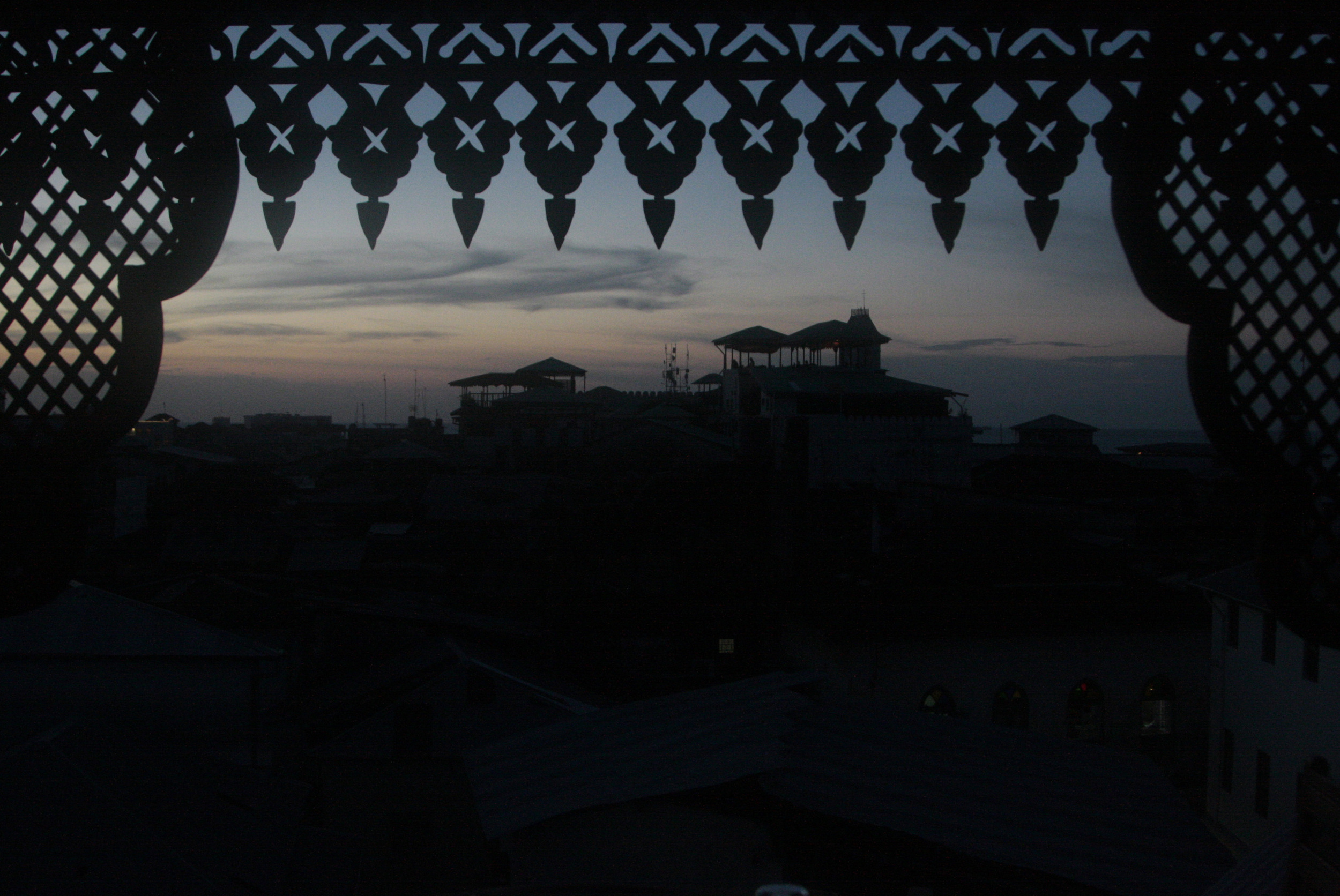
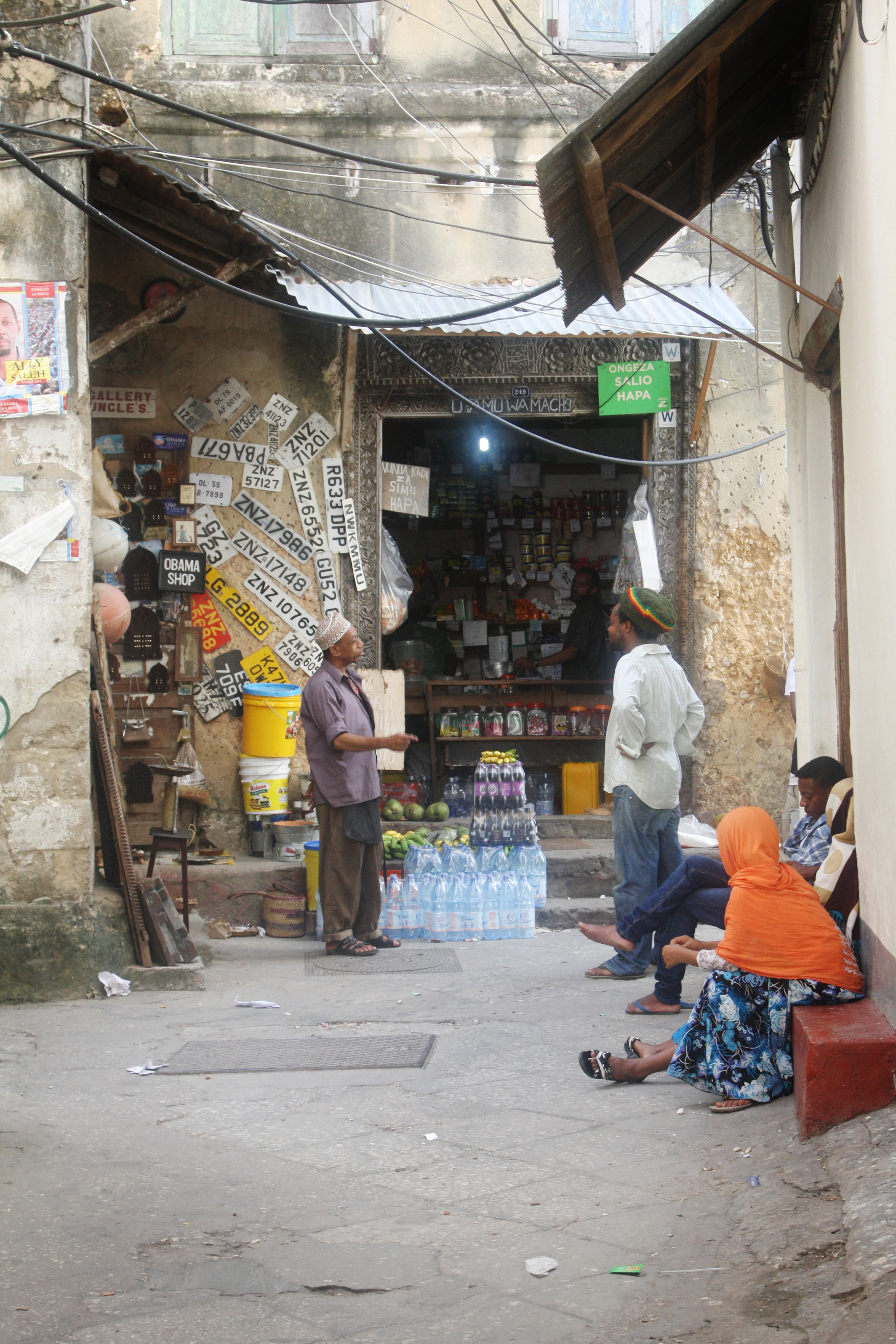
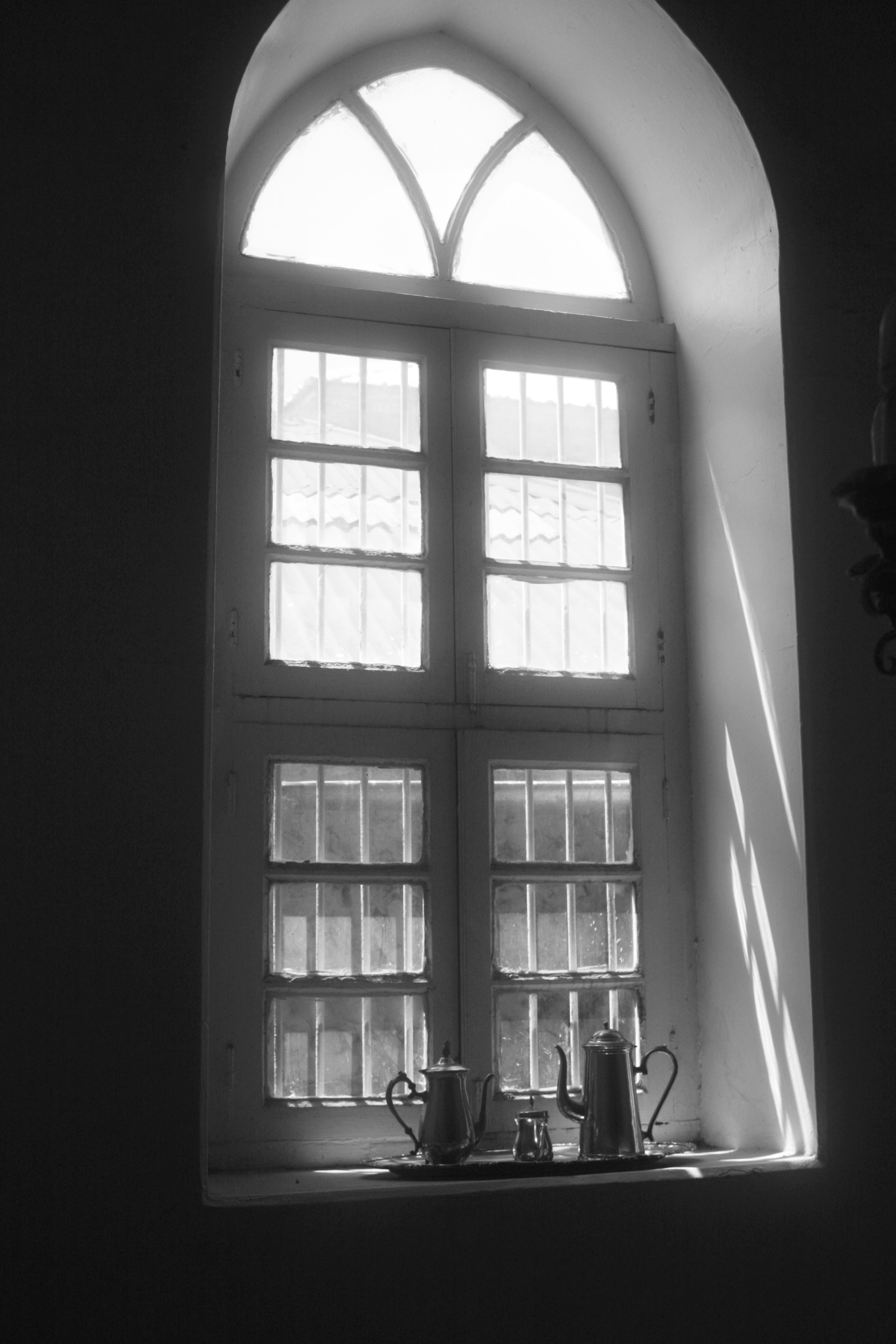
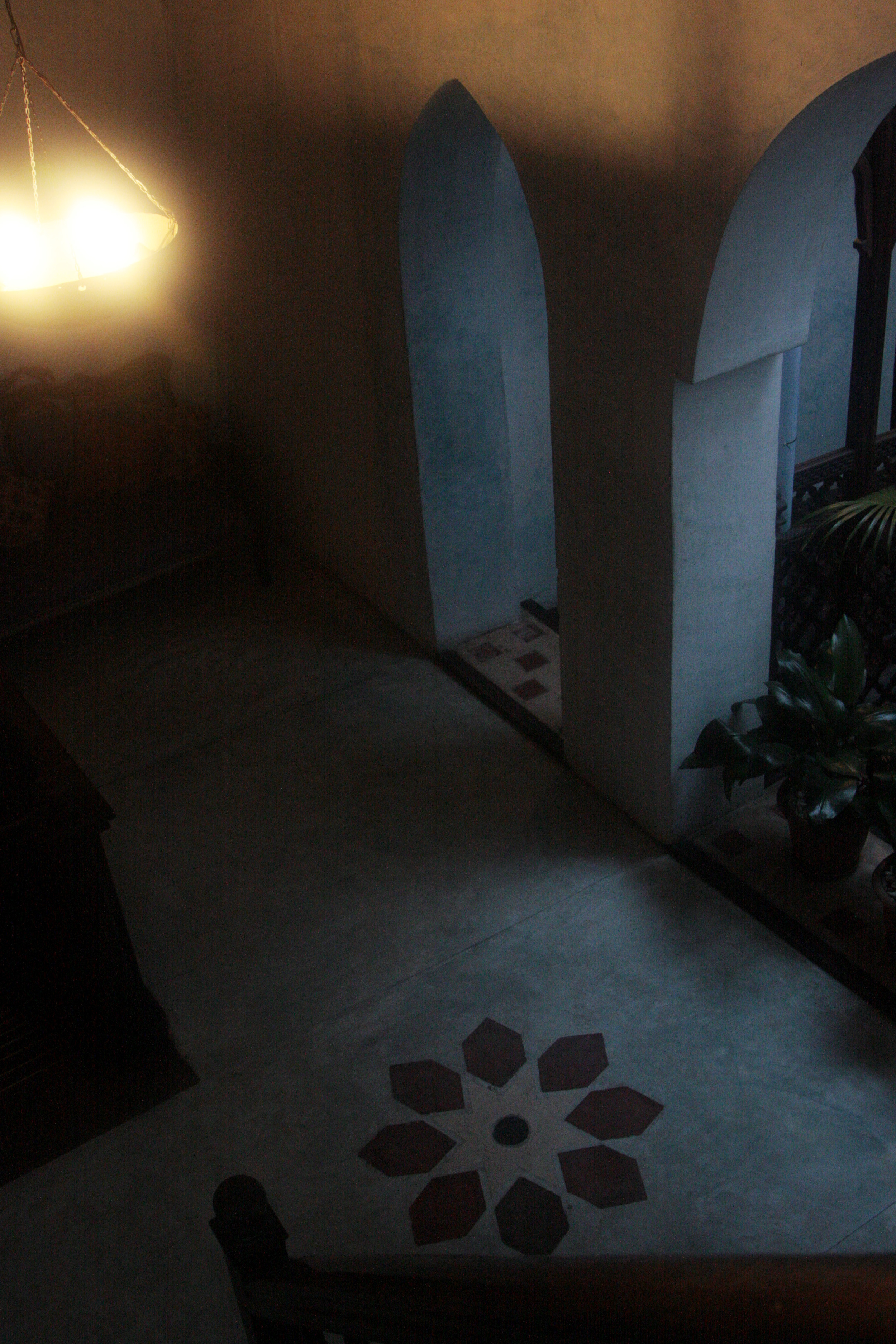
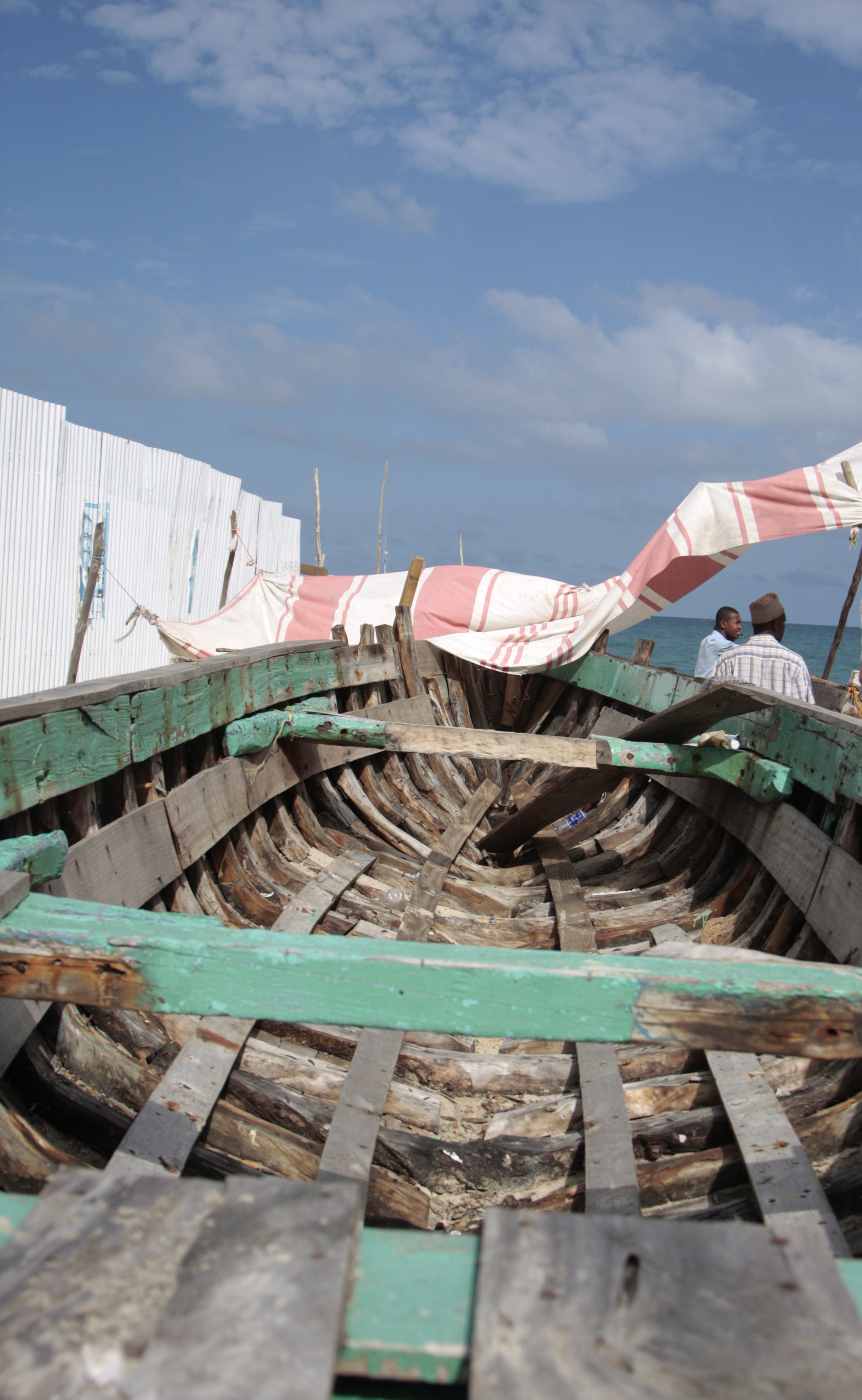
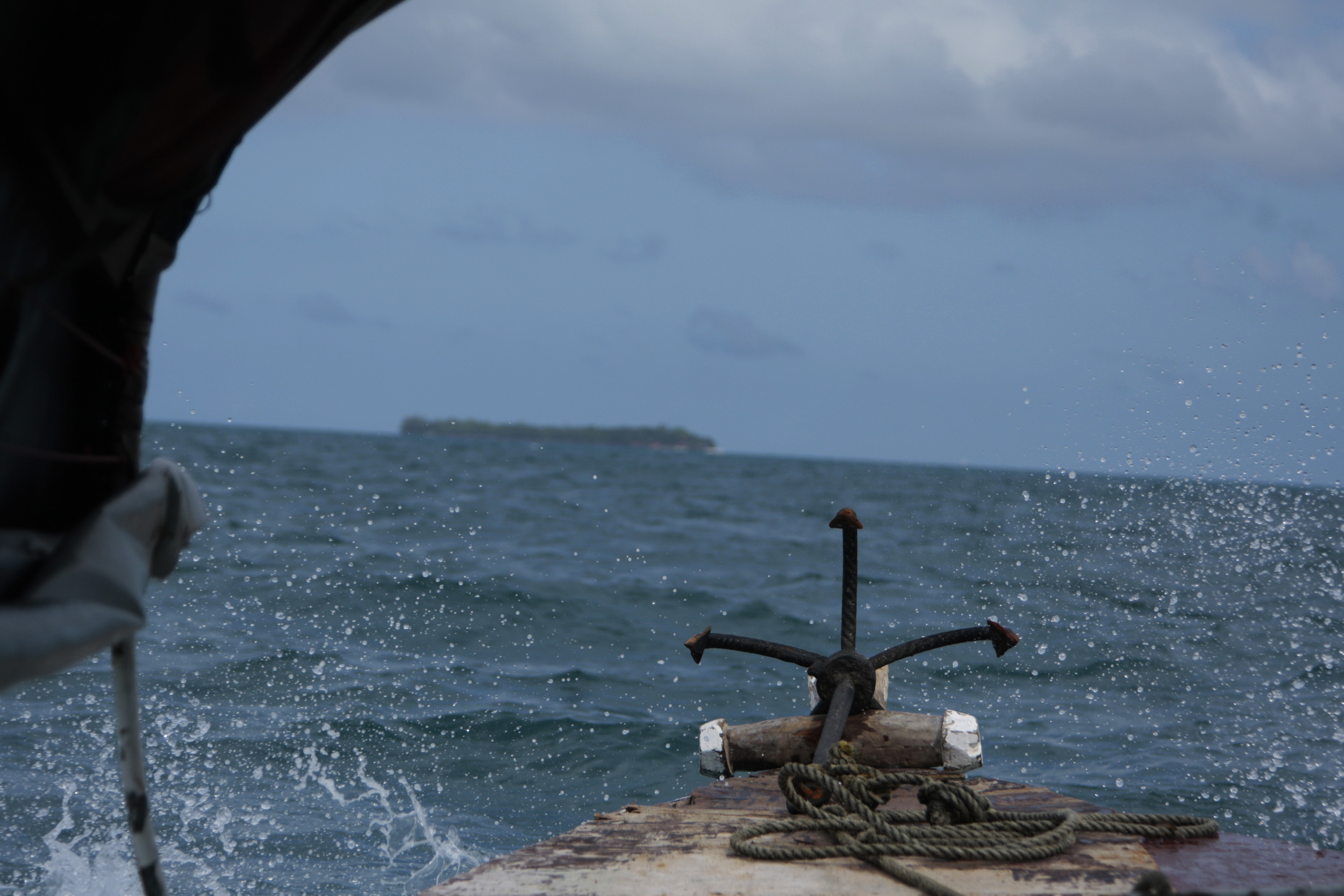
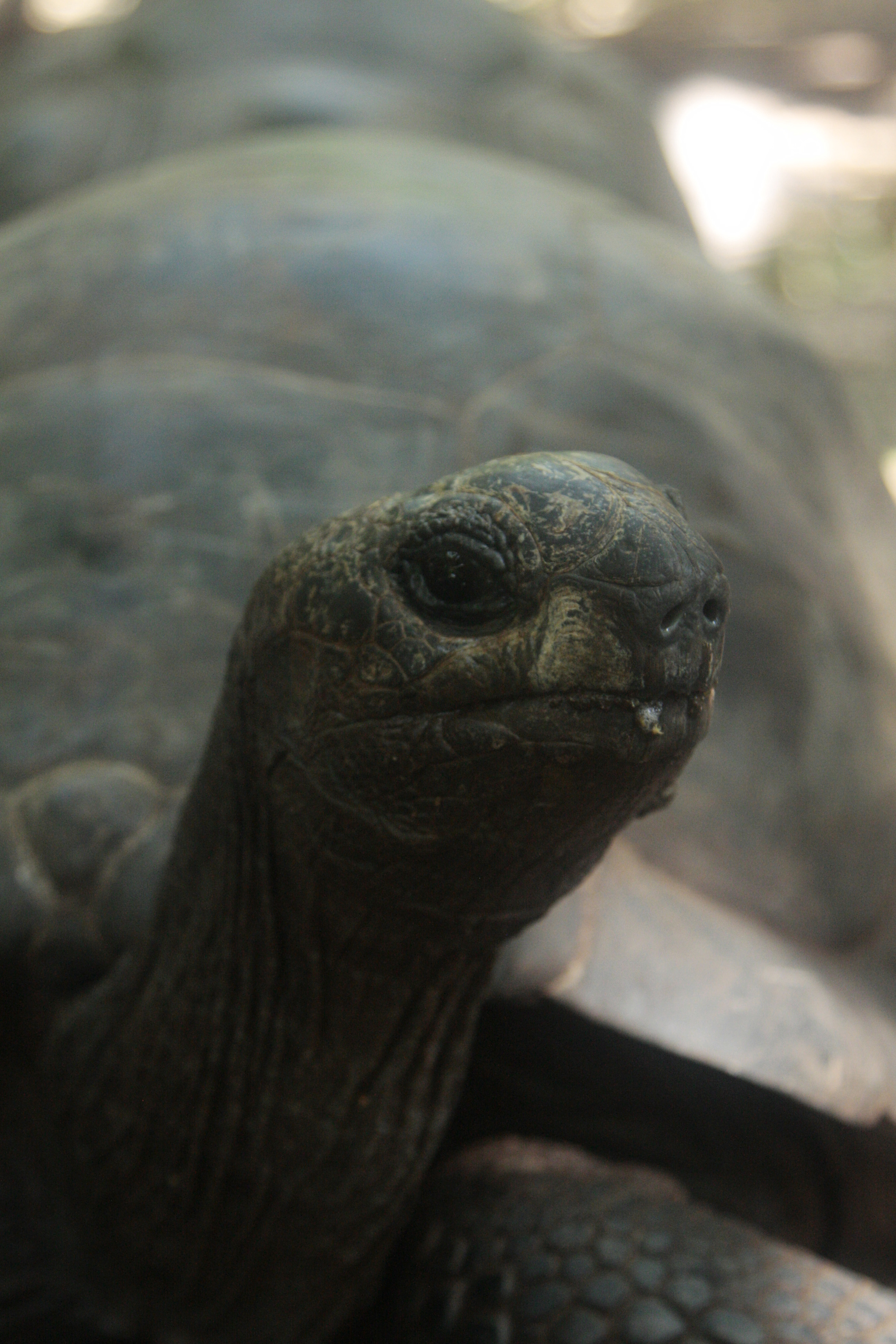
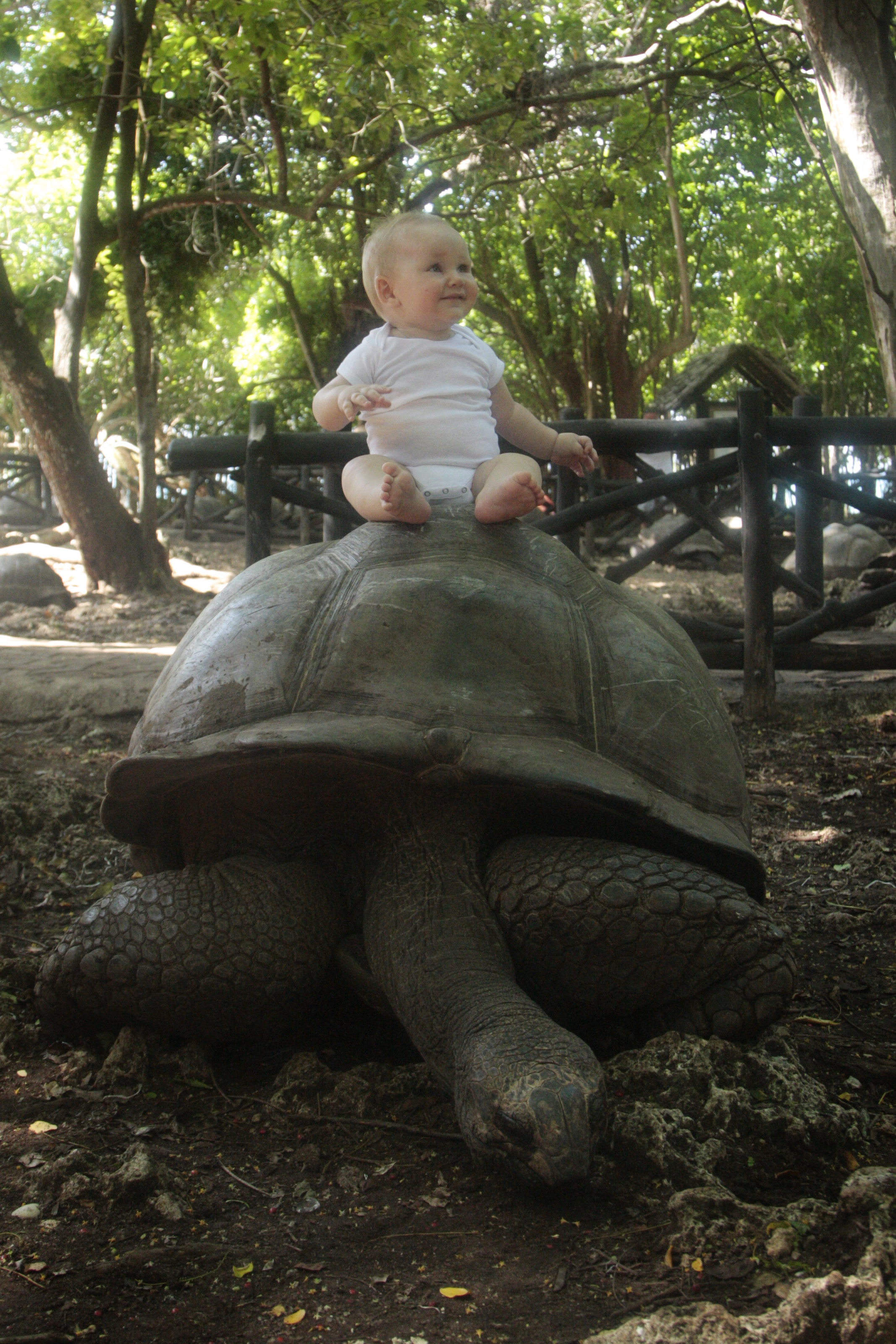
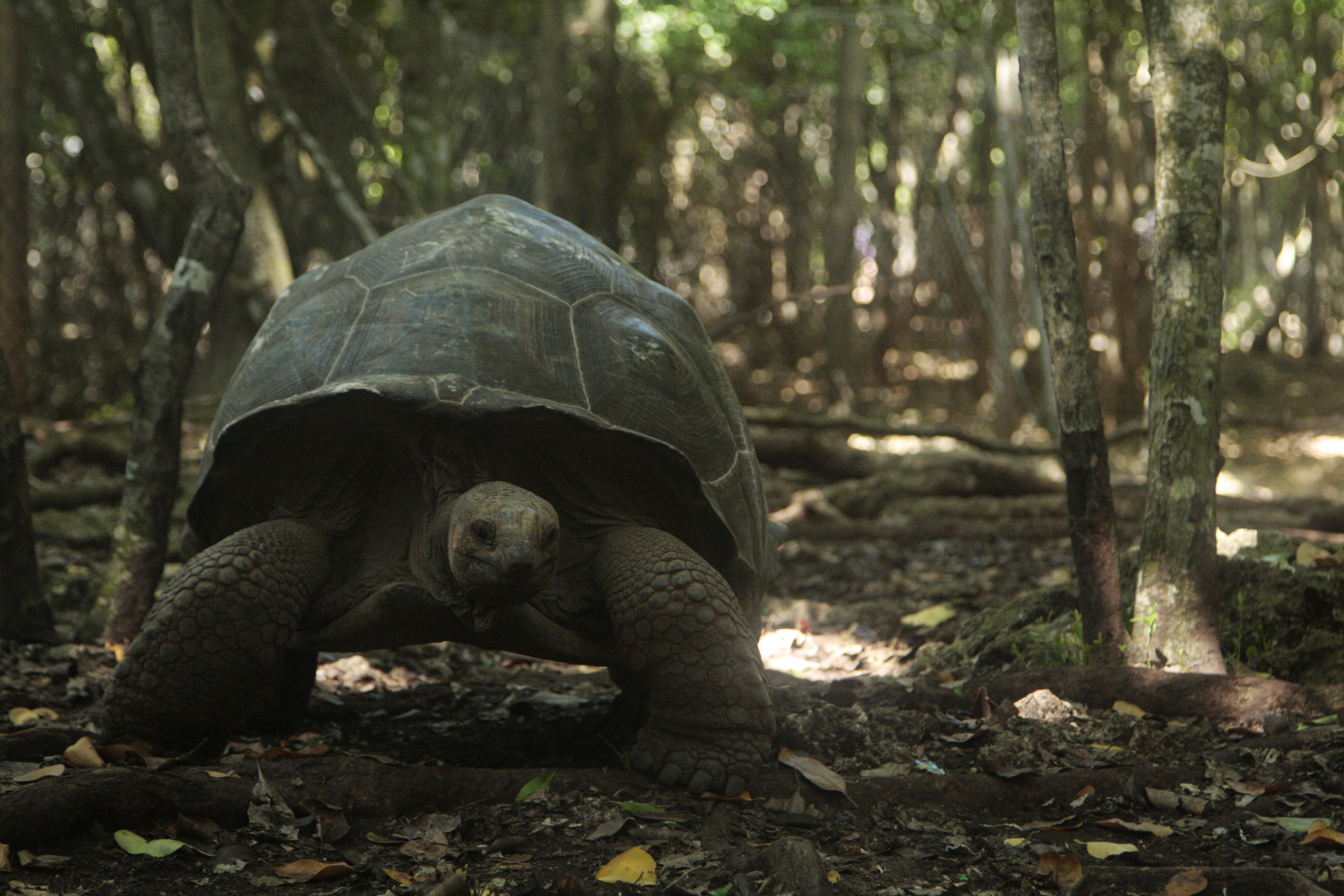
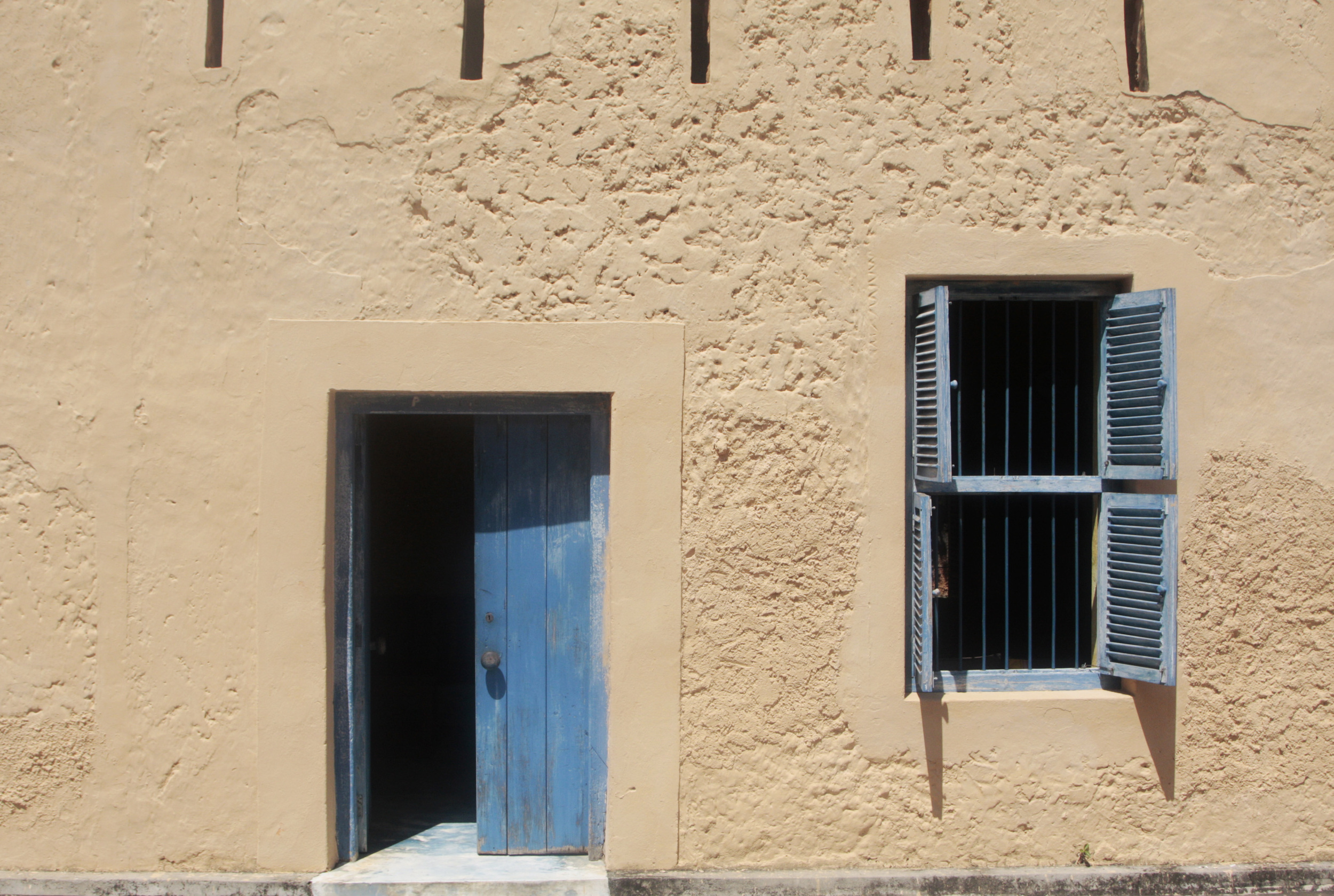
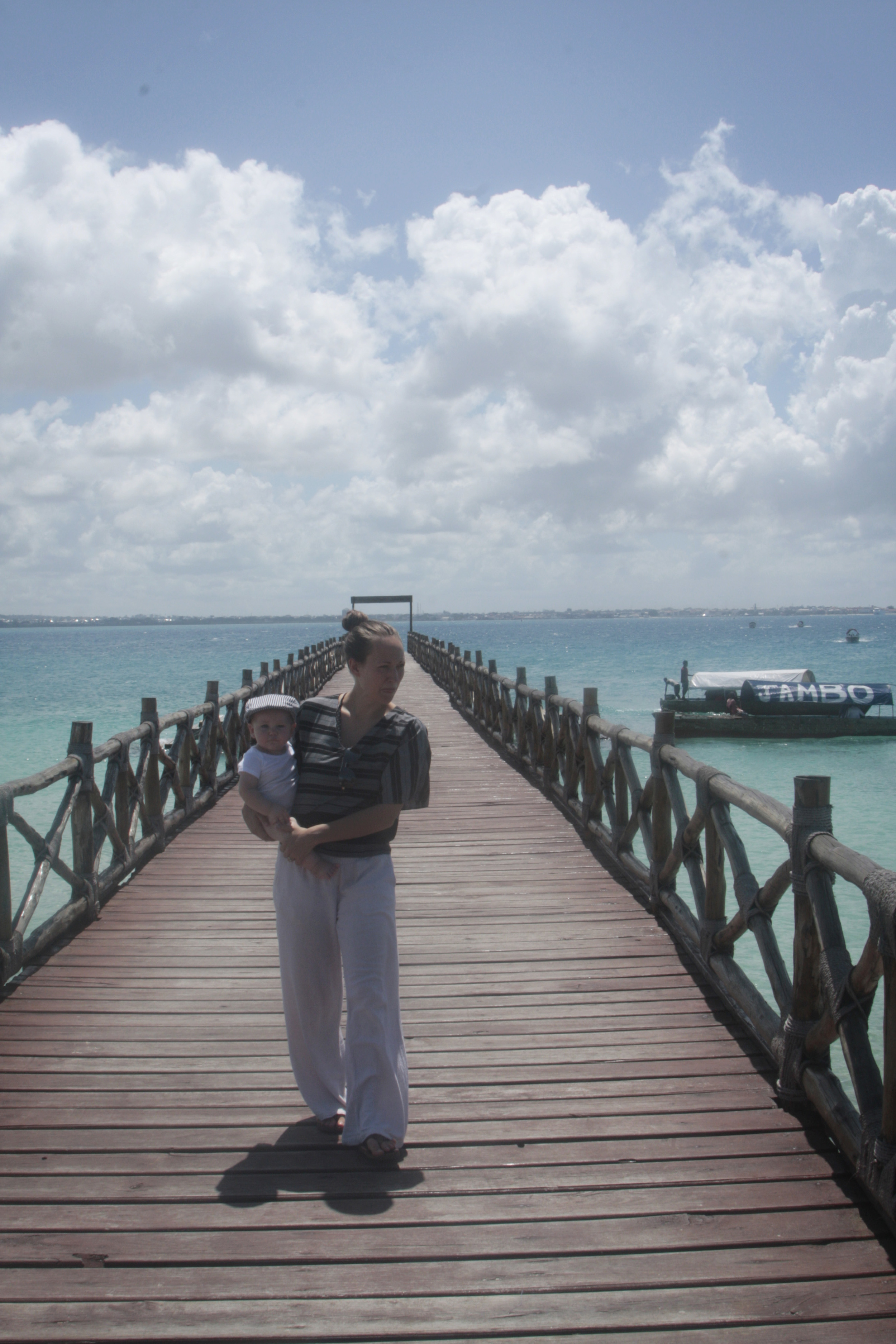
Eric and I met his parents in Zanzibar to celebrate Christmas together on the beach, but we went with Leo a couple days early to spend time in Zanzibar's historic center, Stone Town.  Once the center of trade between India, Africa, and the Arab world, Stone Town's architecture, food, and people offer a complete blend of cultures.  We spent two days walking the winding streets of this old Swahili town while also visiting a smaller island nearby, Prison Island, now home to giant tortoises and historic buildings.

If you visit Stone Town, here are my recommendations:
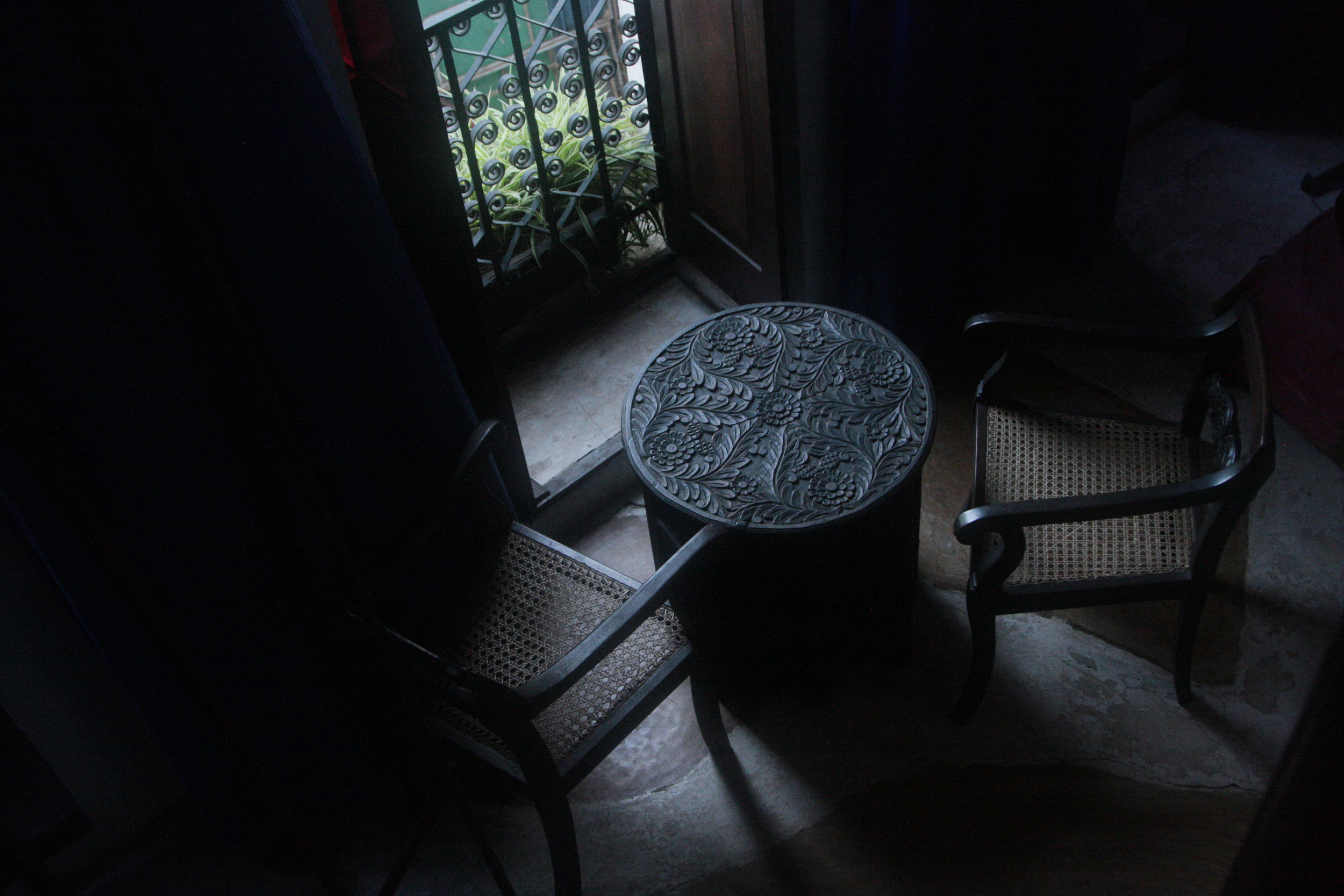
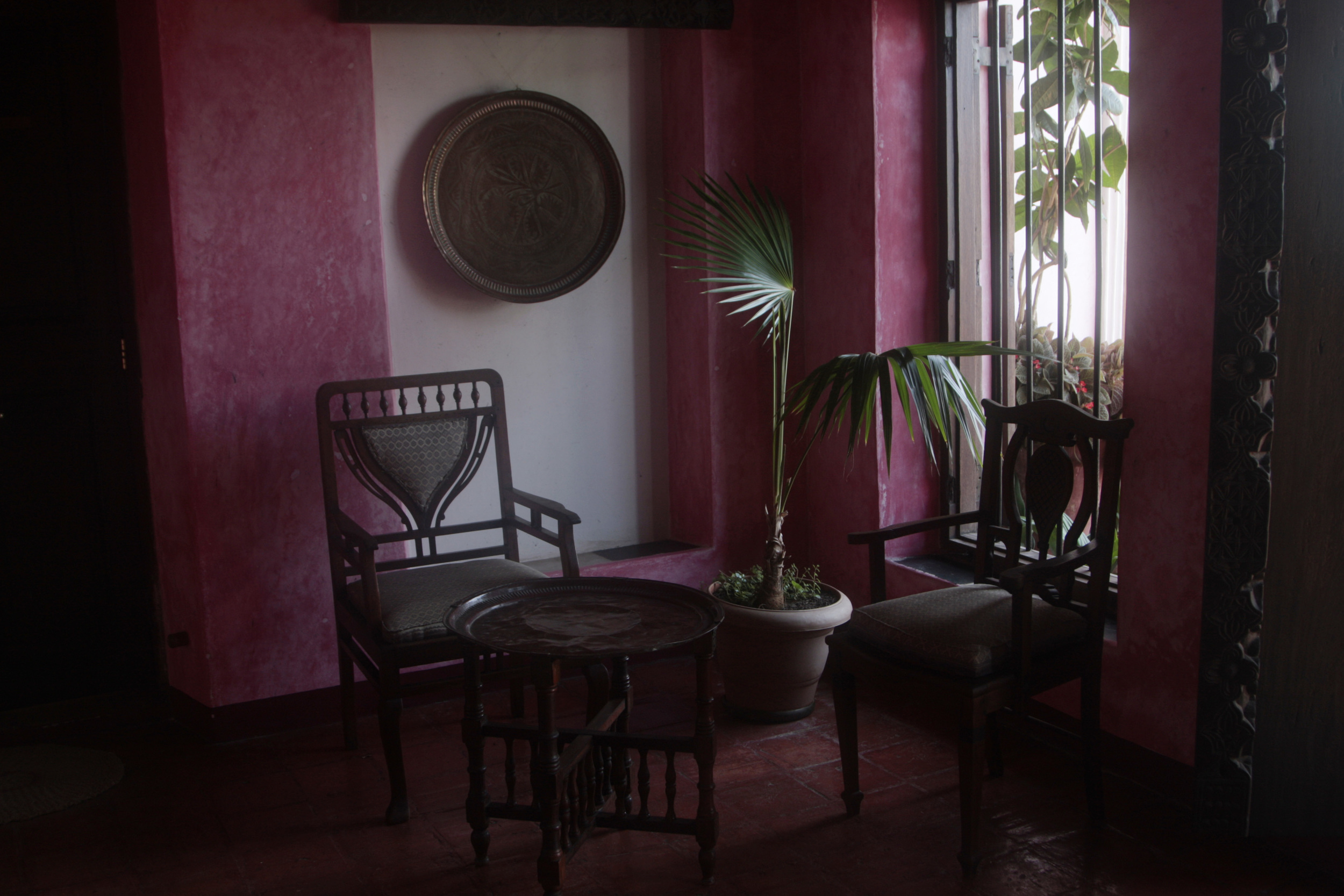
--- You absolutely must have dinner at the Emerson Spice Hotel.  It's a splurge, but it's worth it.  A 5-course meal of the freshest seafood and creative use of Zanzibar's famous spices on a rooftop overlooking the city, it will be one of your most memorable meals.  As a bonus, look through the hotel's rooms, which they leave open for dinner guests to browse, for a sampling of the best contemporary Swahili architecture.
--- Take a tour of the city with a local guide.  They'll be able to tell you the ins-and-outs of the town's history, you'll make a friend, and you can visit places like the local markets without too many hagglers latching onto you.
--- Prison Island.  It's not a far boat ride and the gigantic and huge tortoises are certainly worth seeing.  I've heard the snorkeling is great, too.
--- Forodhani Gardens.  Every evening street vendors gather to sell local food.  Mix with the locals while you eat and watch a gaggle of energetic boys jump off a wall and into the ocean.
--- Princess Salme museum.  We actually found out about this place toward the end of our stay and we only had time to poke our heads in.  But upon my return (and I will return!) I'll be sure to come back and learn more about this incredible woman's life.

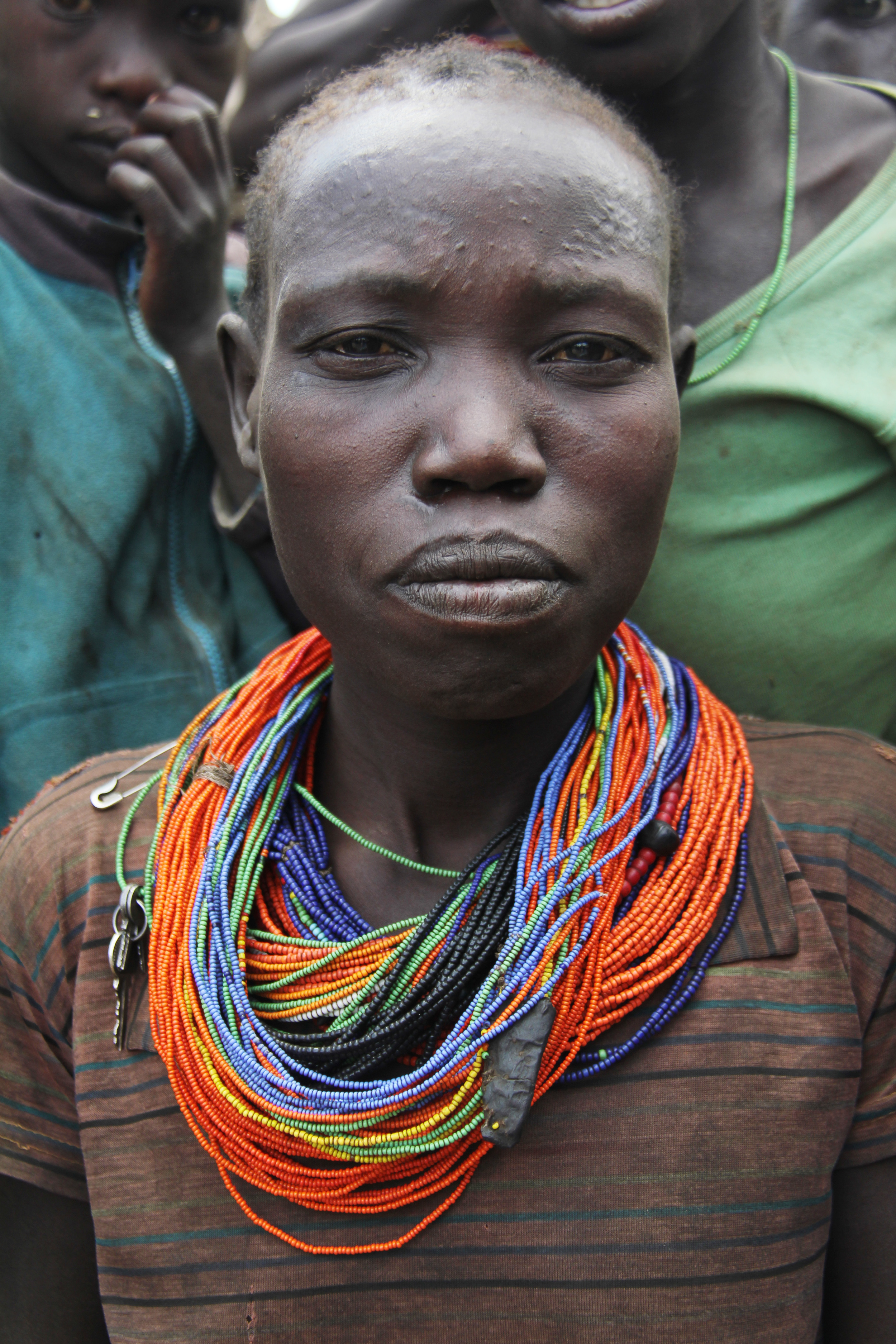
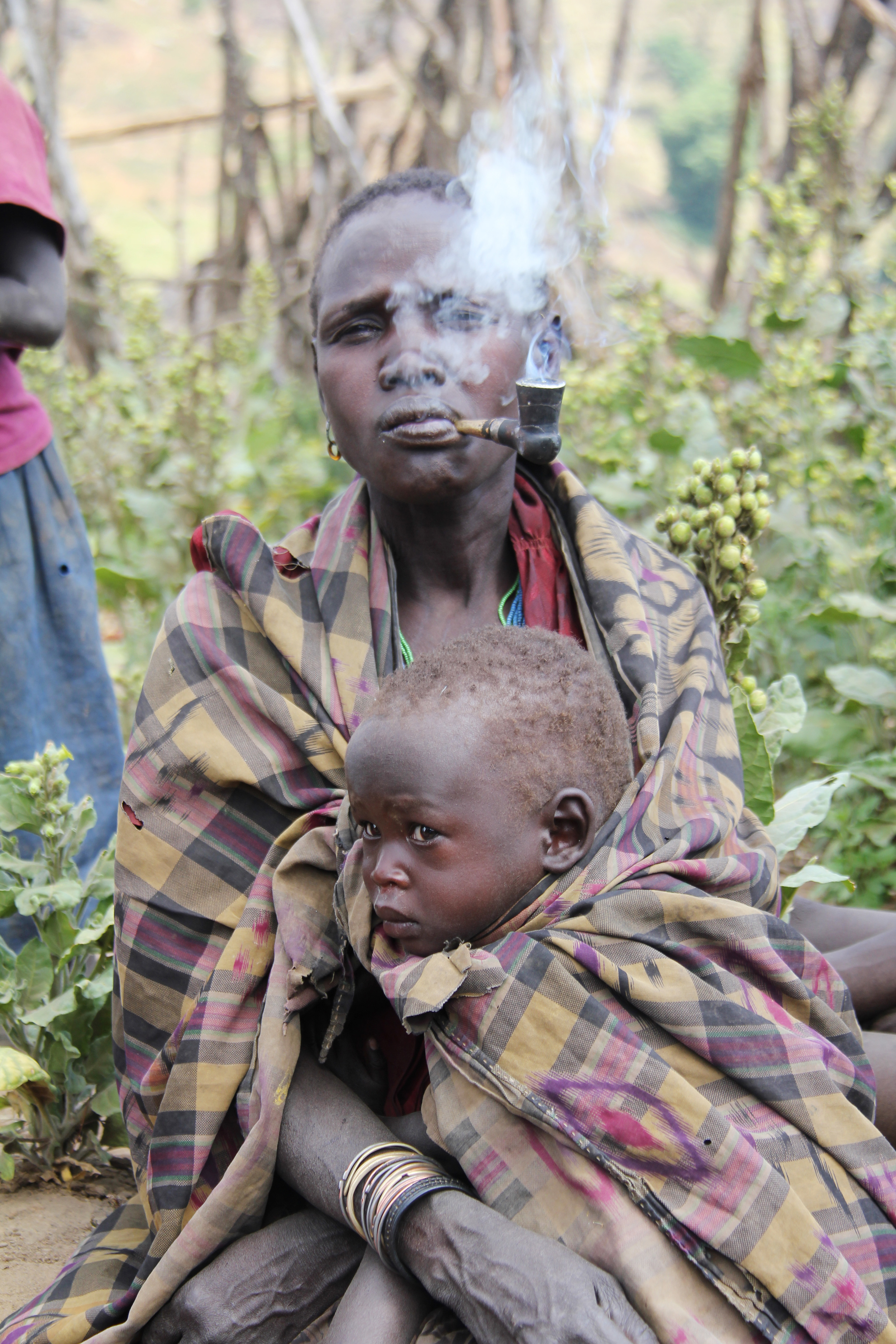
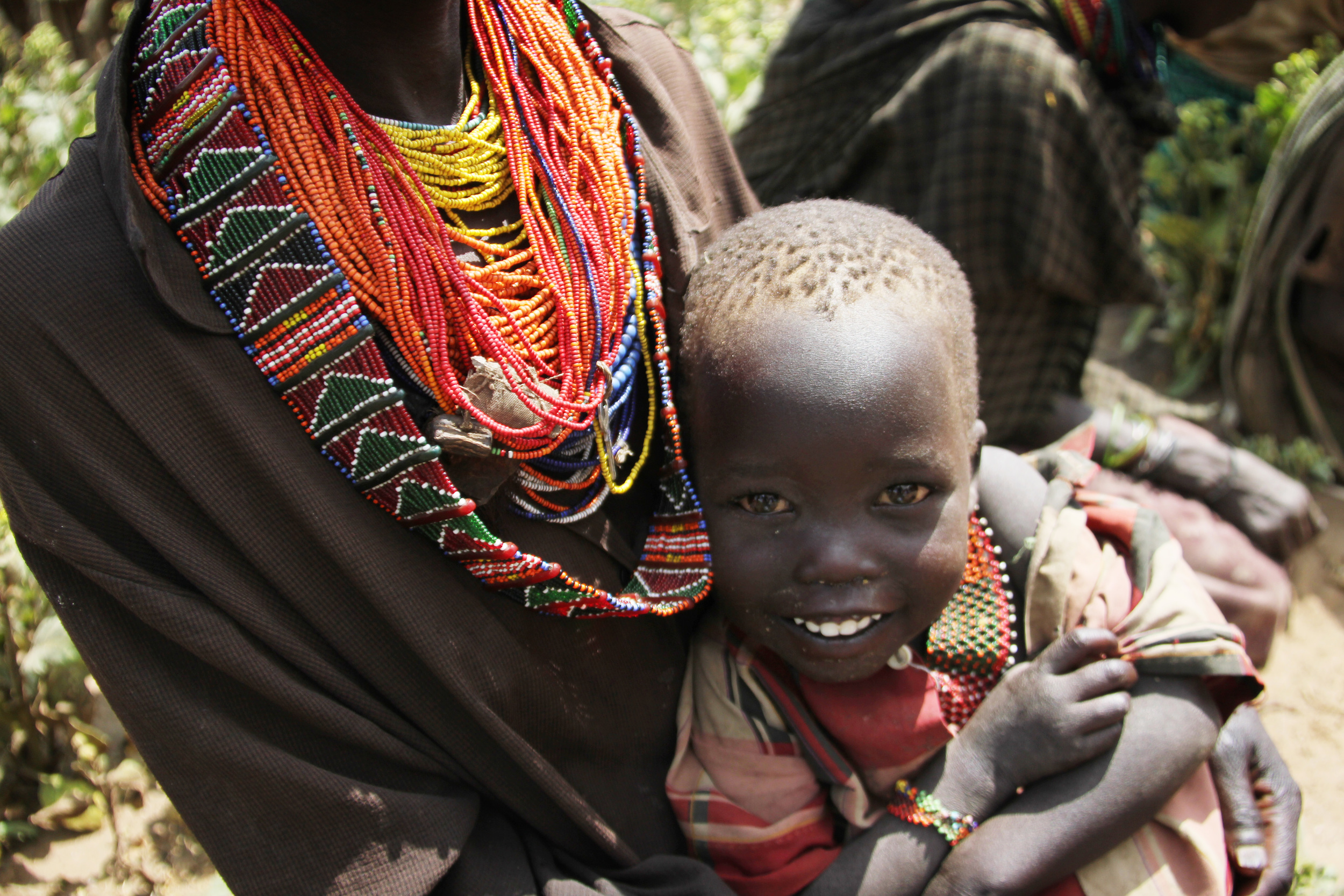
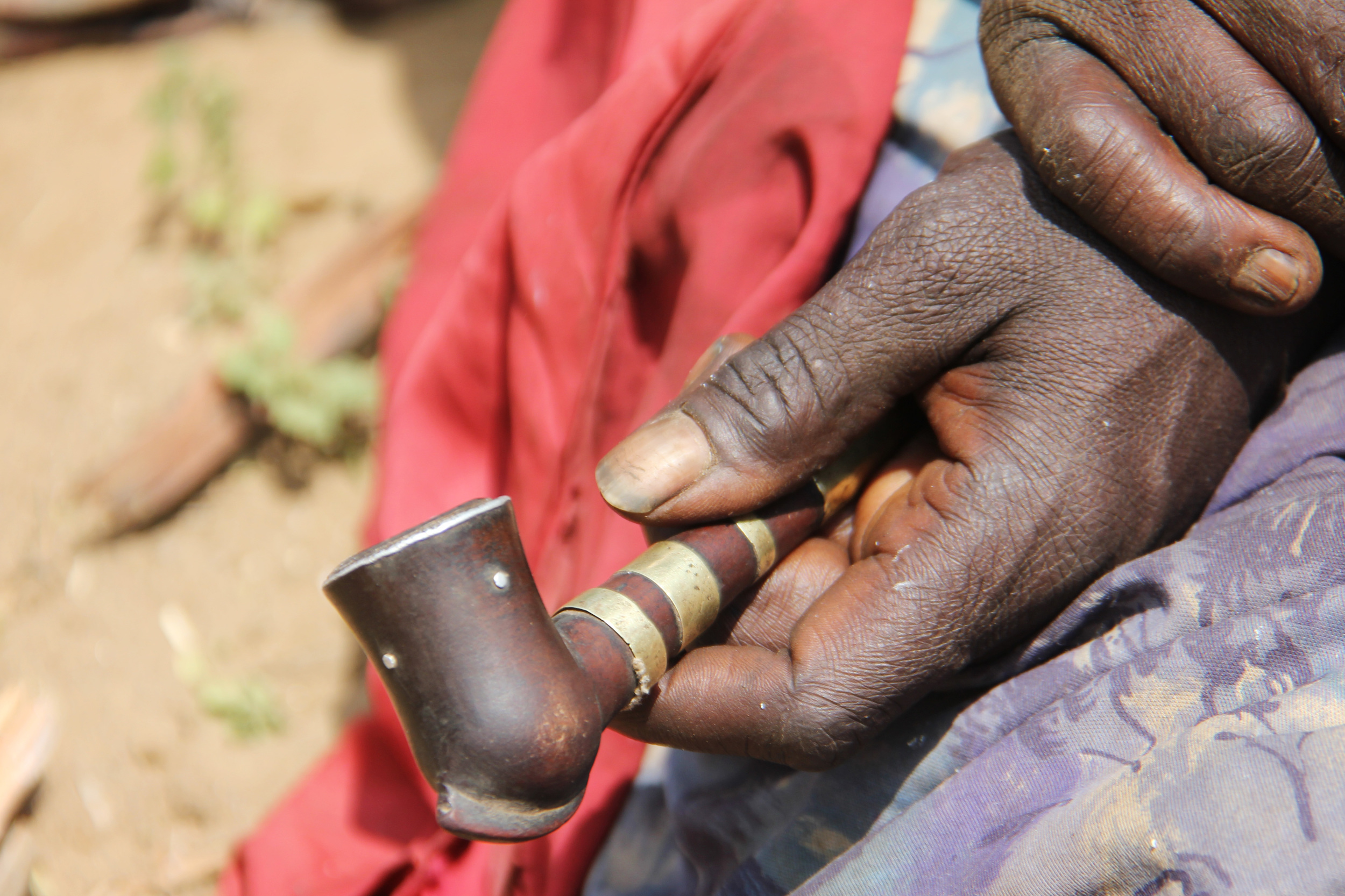
Visiting the Ik, Uganda's "lost tribe"

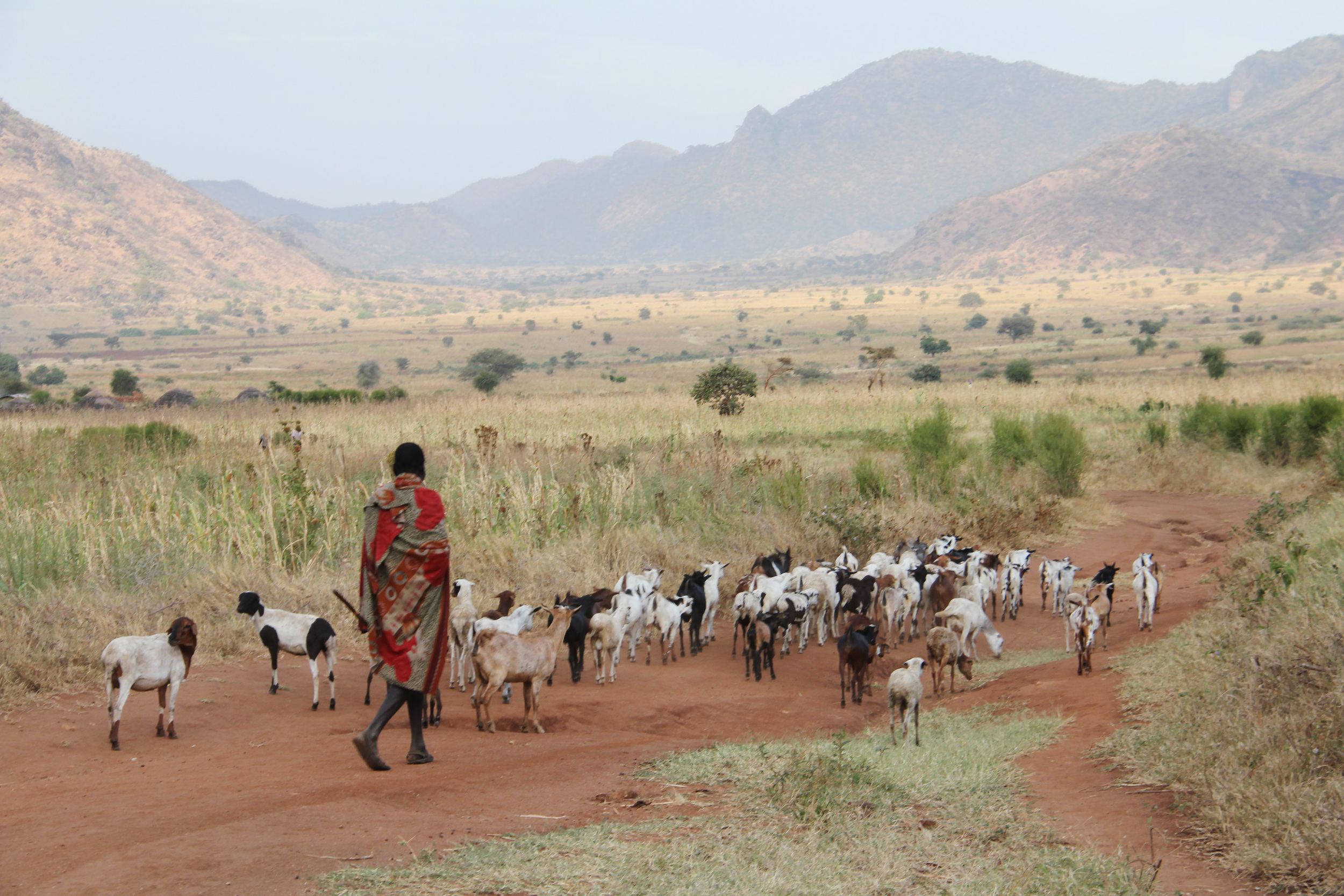
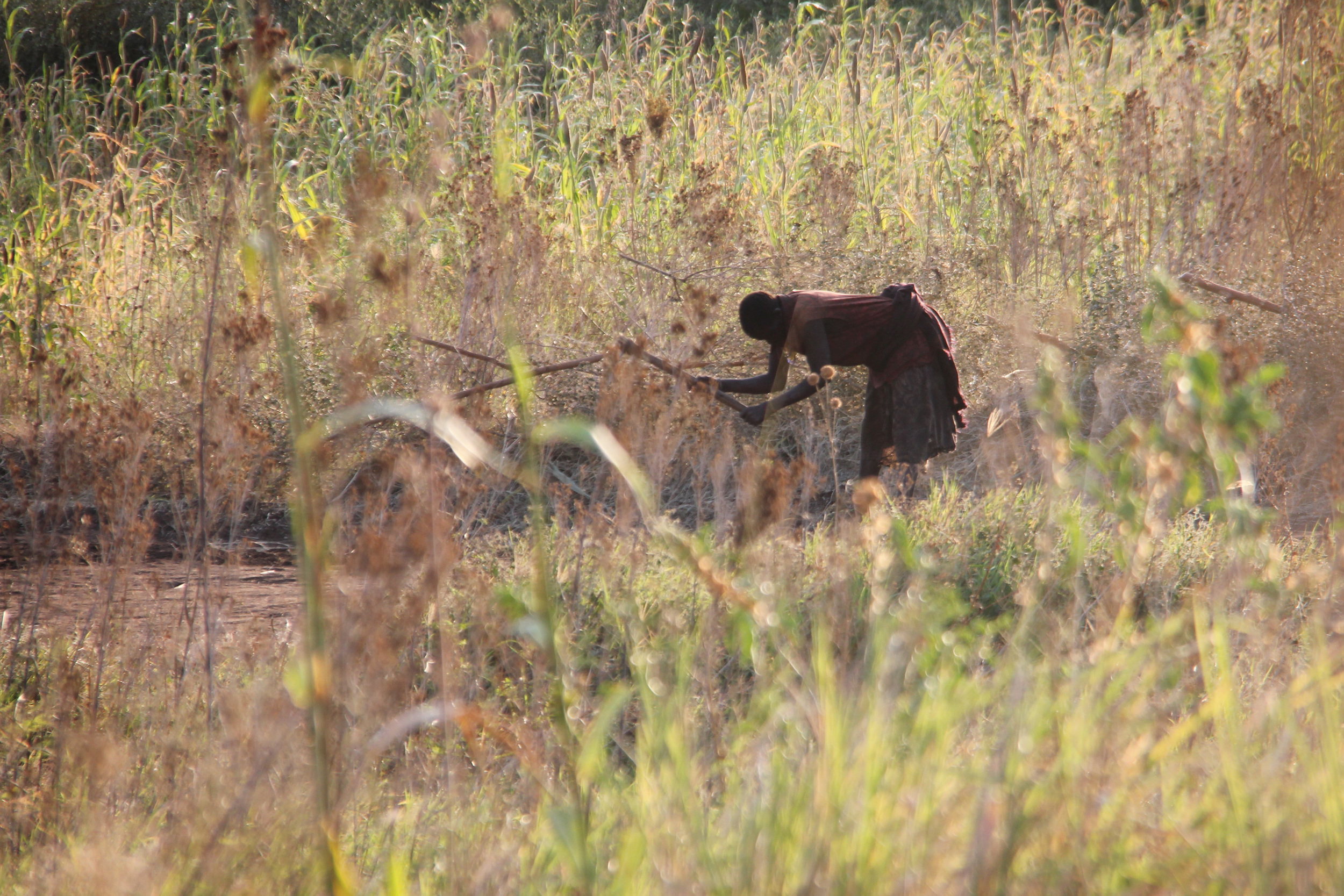
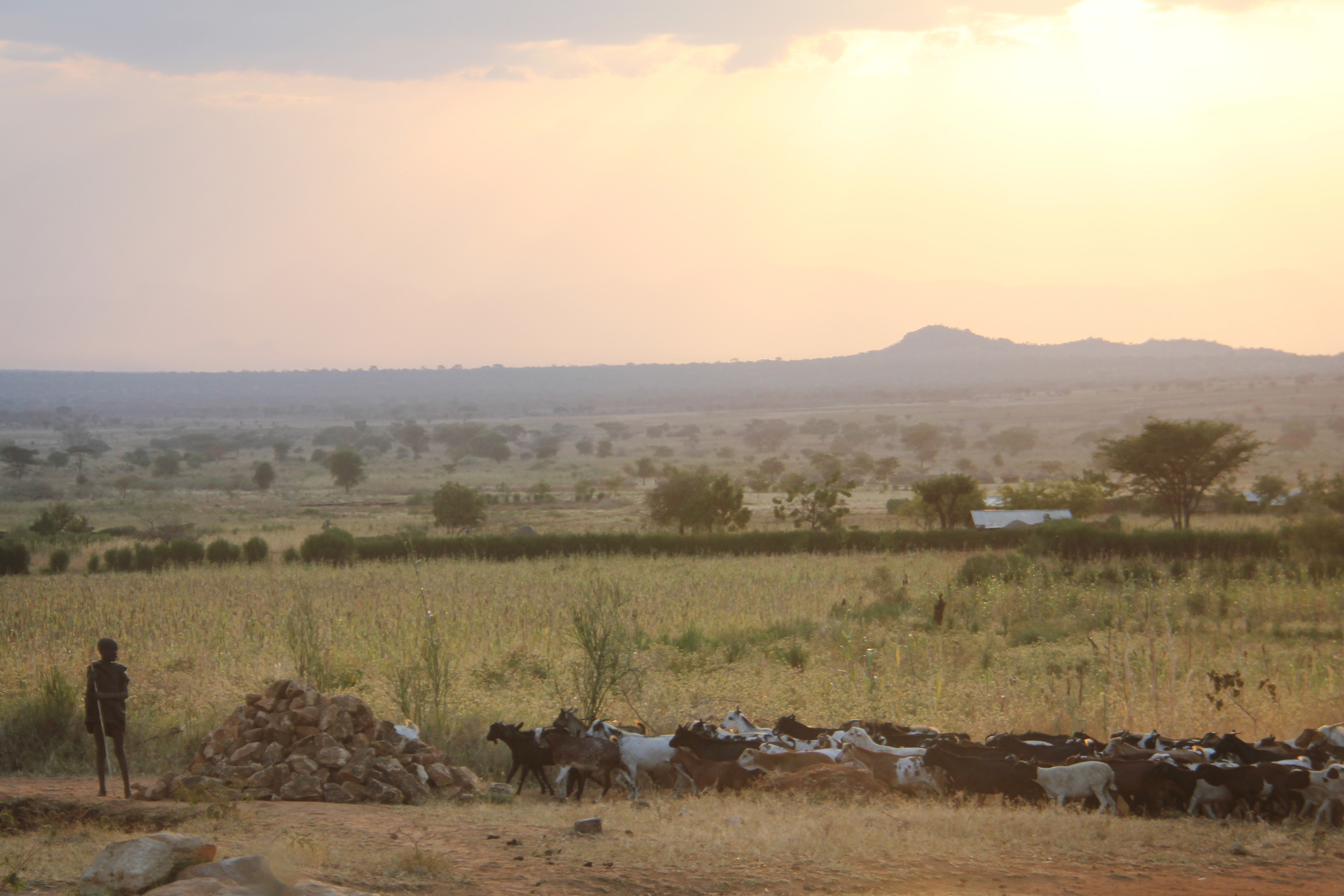
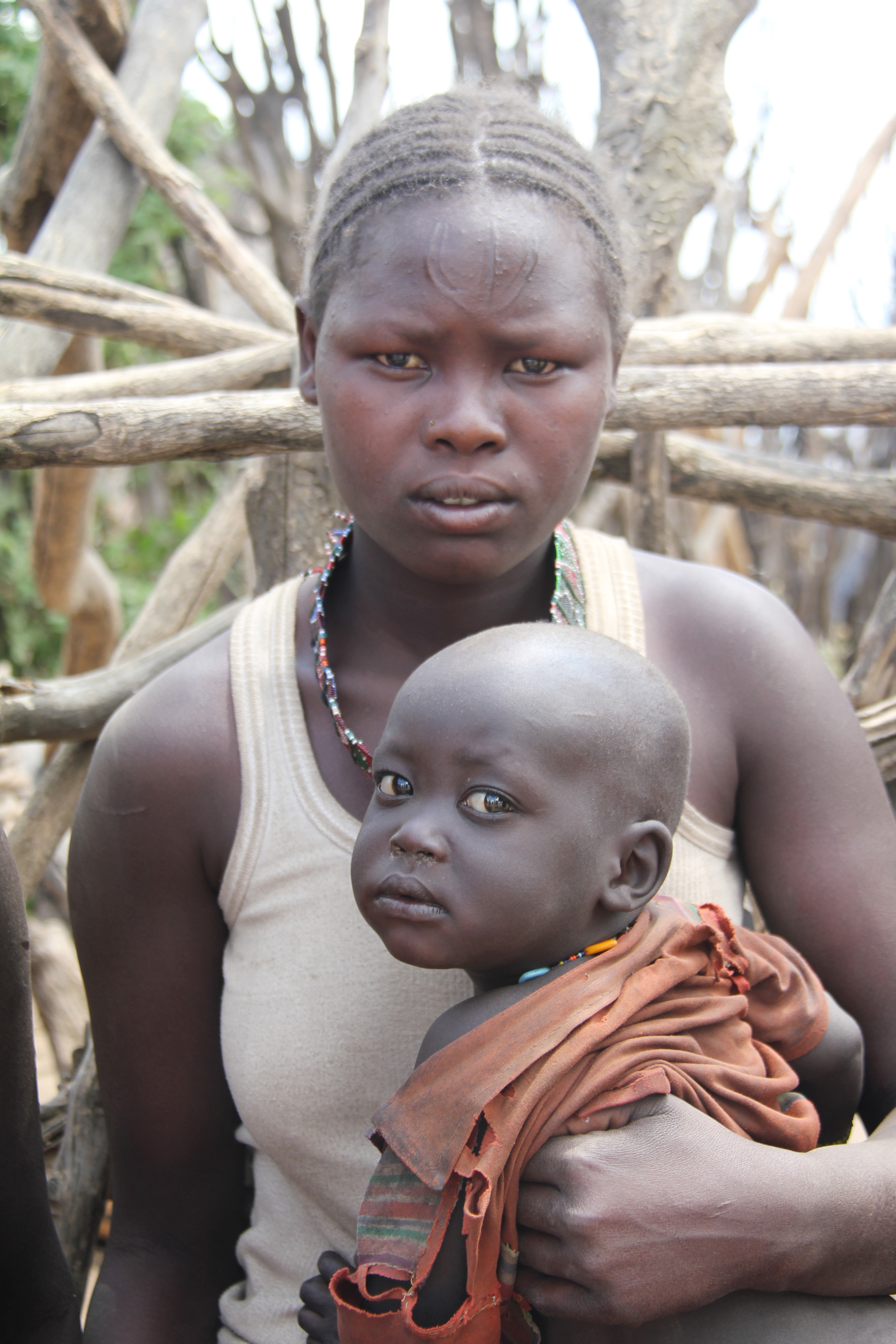
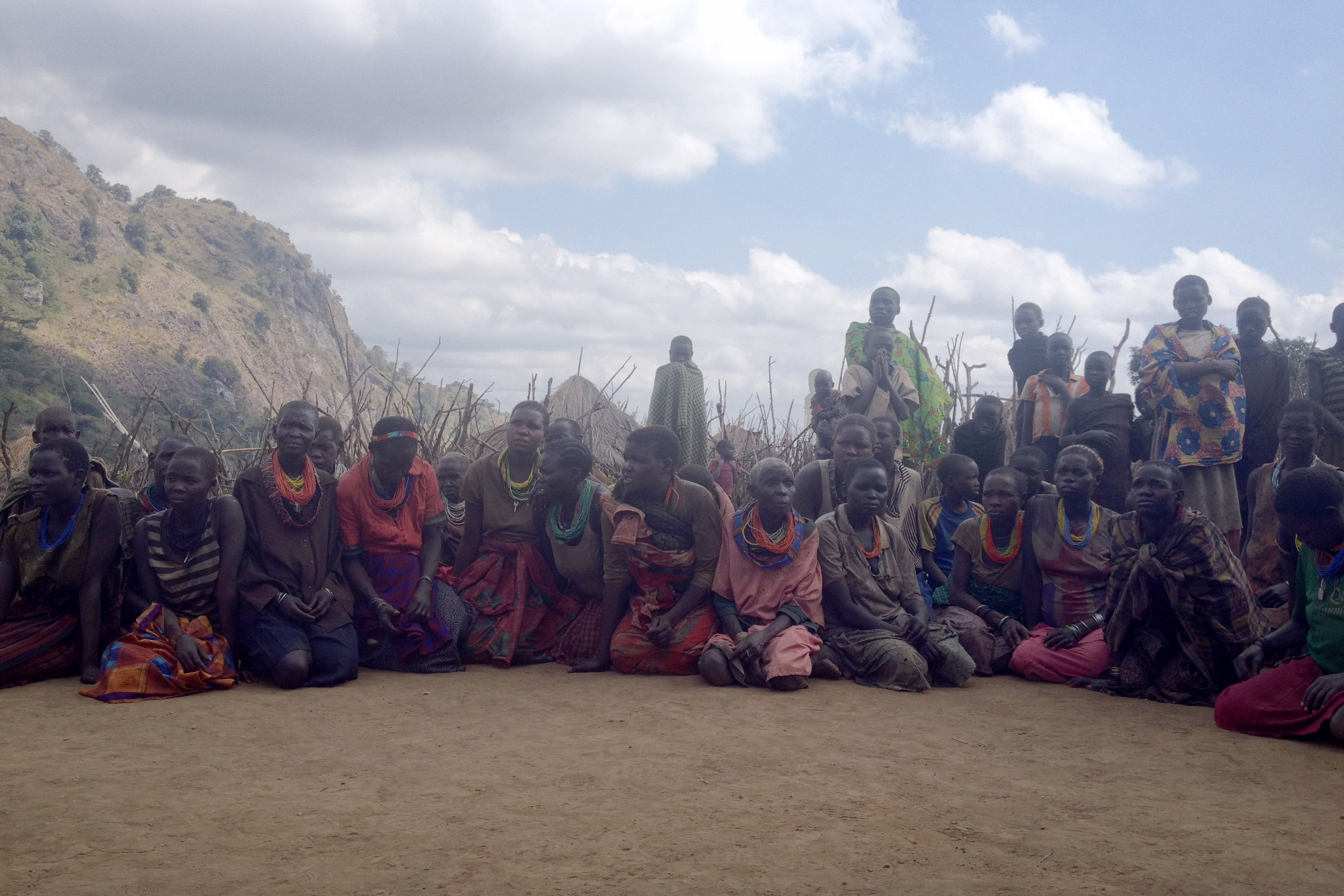
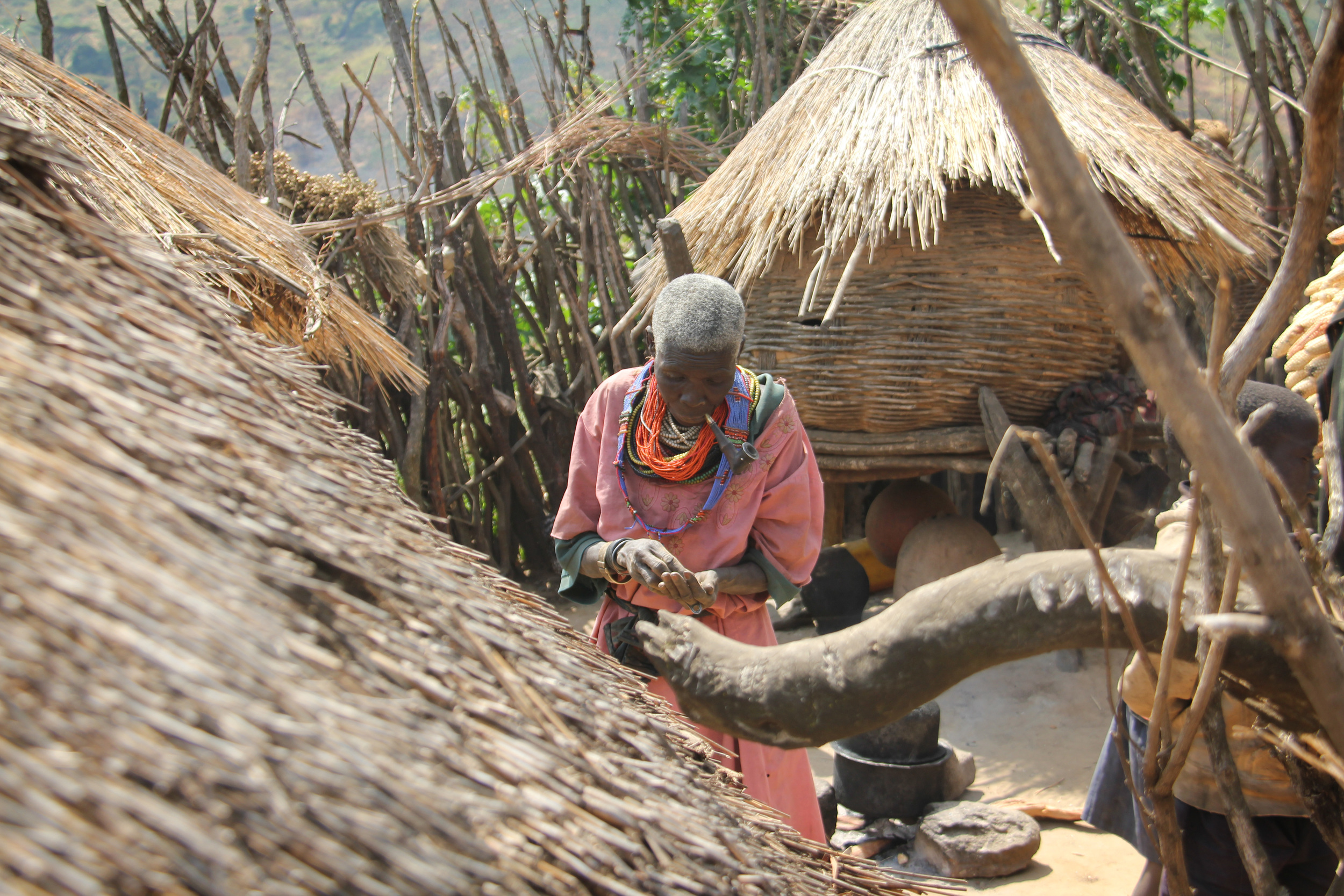
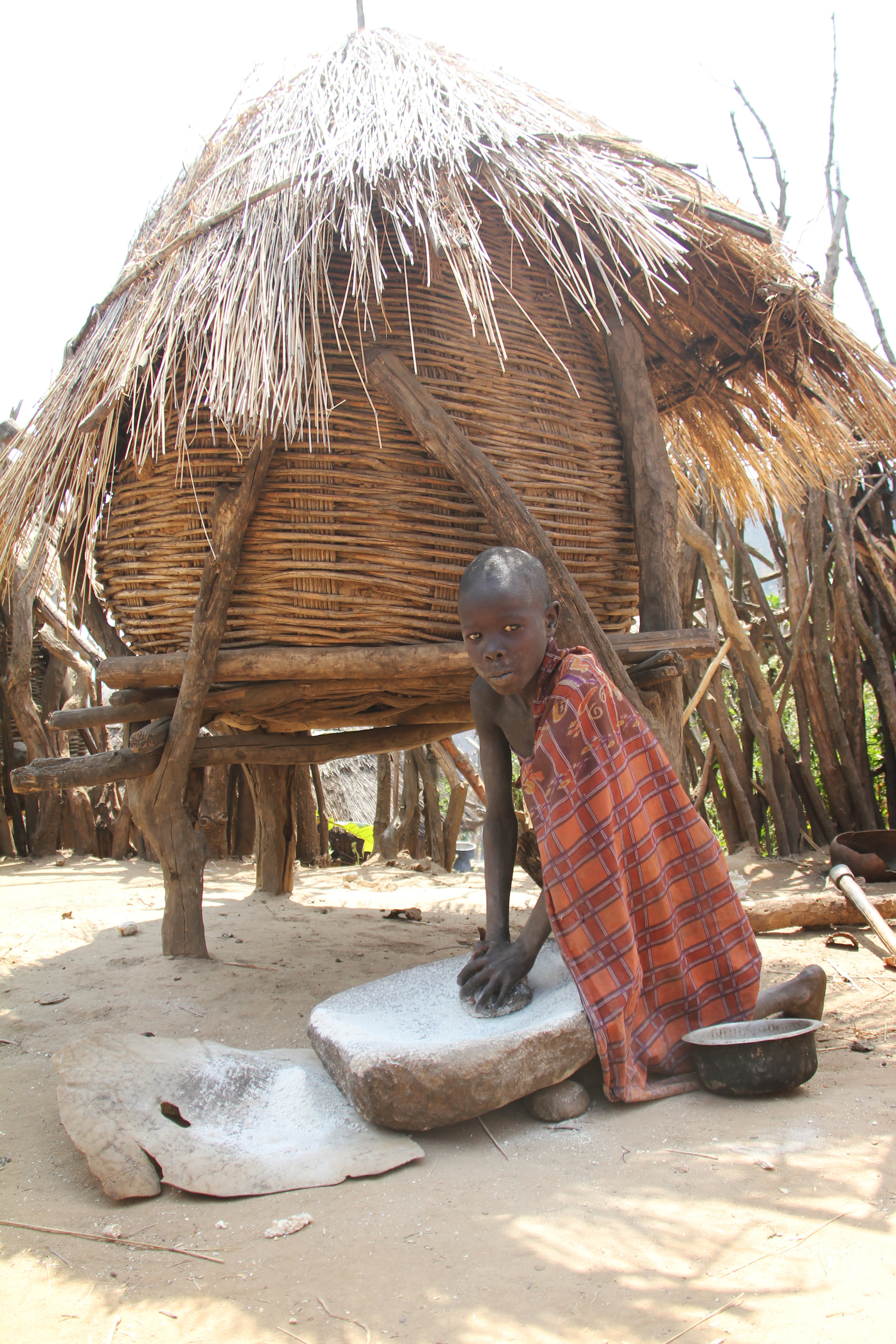
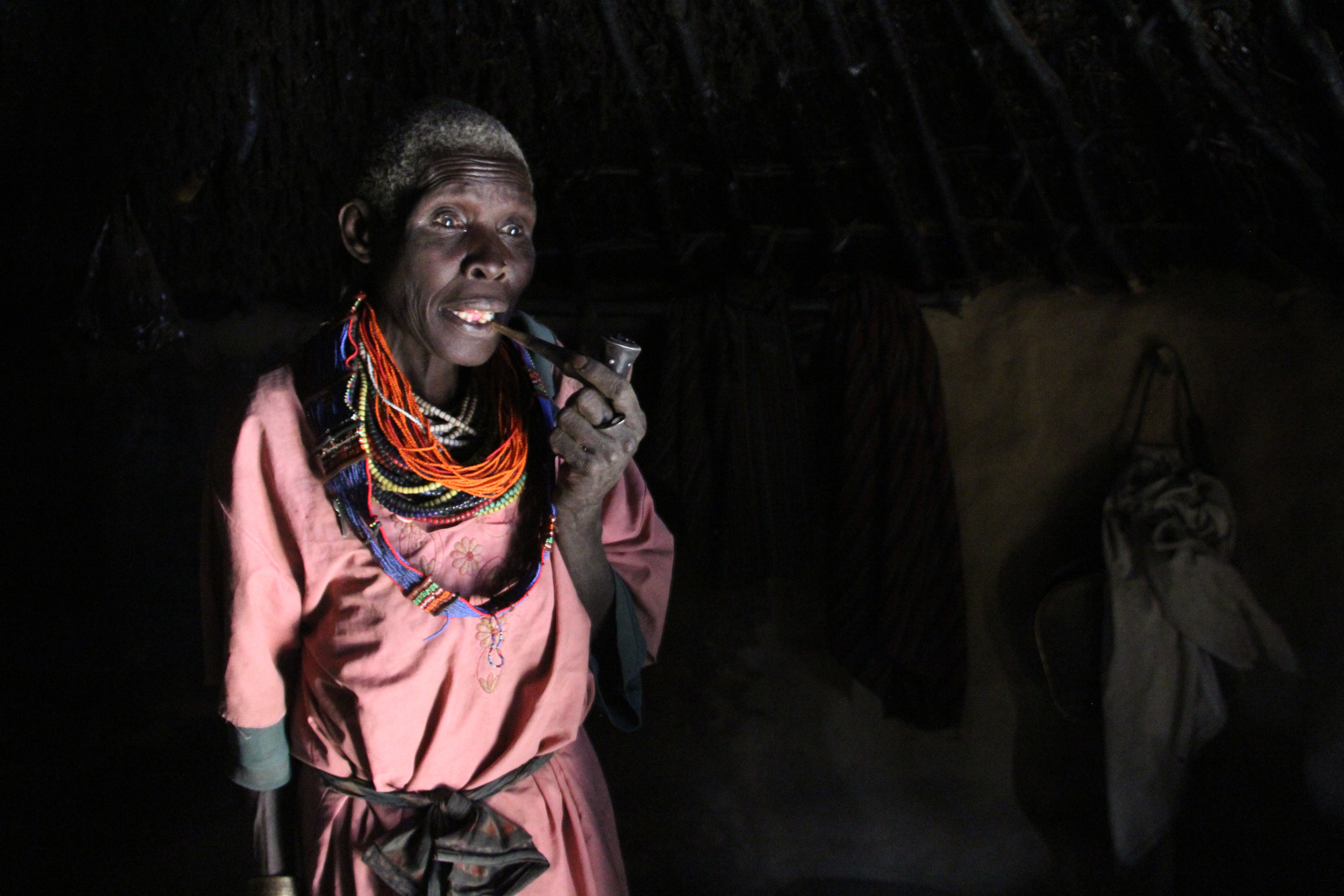
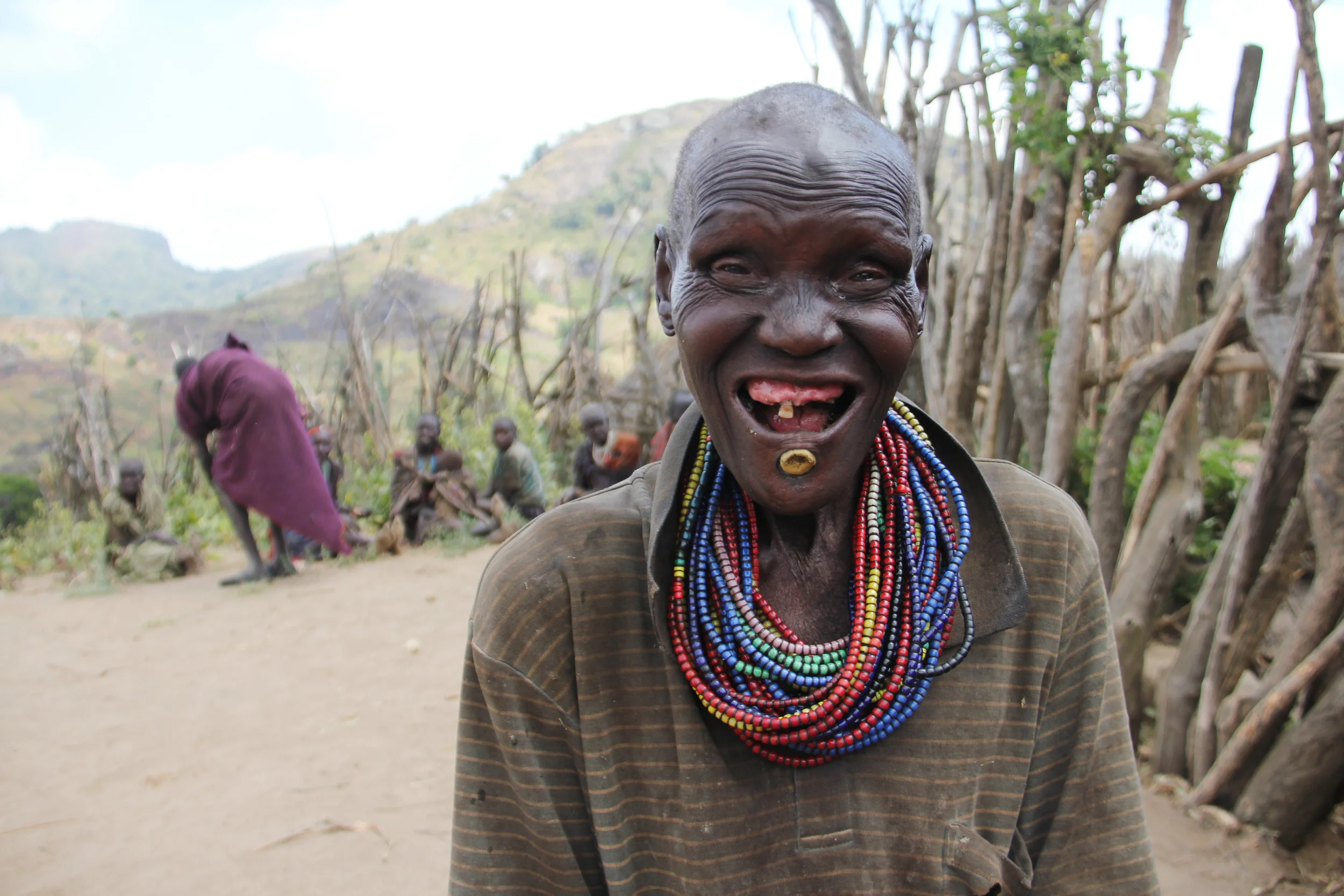
Our trip to Kidepo Valley was splendid in many ways, but what really set it apart from other trips around East Africa was our New Years' Eve visit to Uganda's "lost tribe," the Ik.  In a region dominated by the Karamajong tribe, a people group still living very traditionally, the Ik (pronounced eek) have set themselves apart from their neighbors both in geography and in language.  After being forcibly removed by the government from what is now Kidepo National Park, the Ik supposedly wanted to avoid the violent clashes among the Karamajong, so they took to the hills.
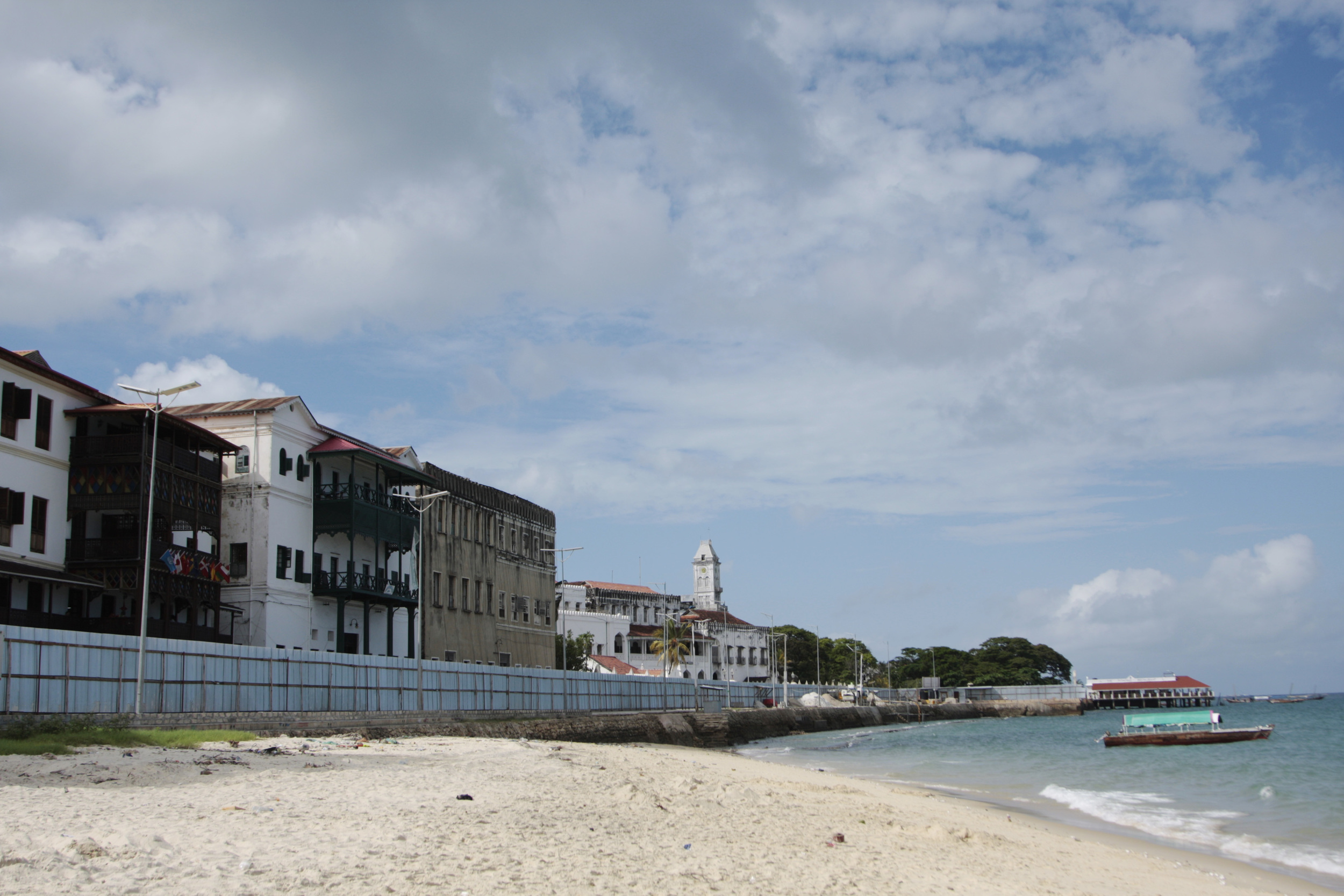
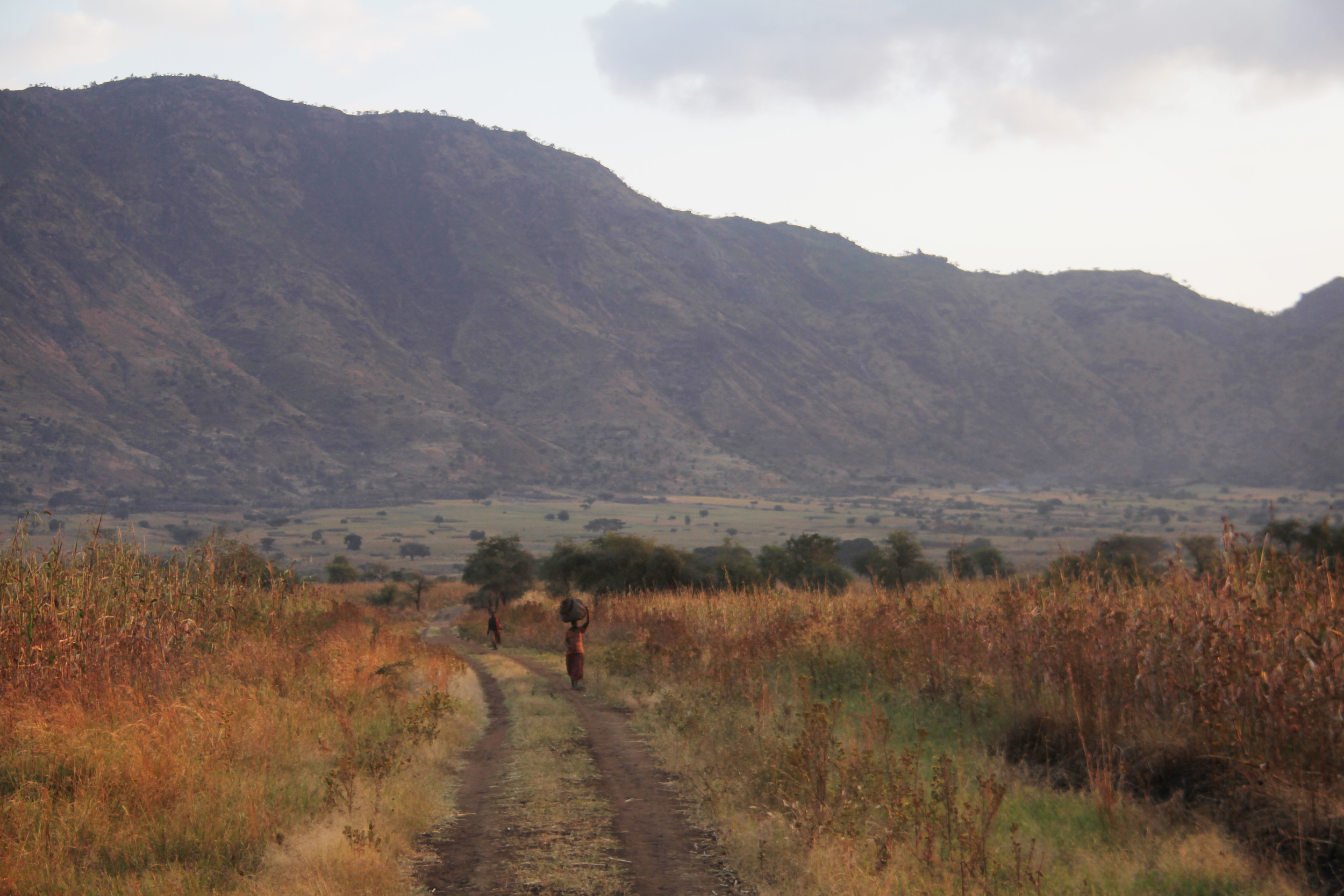
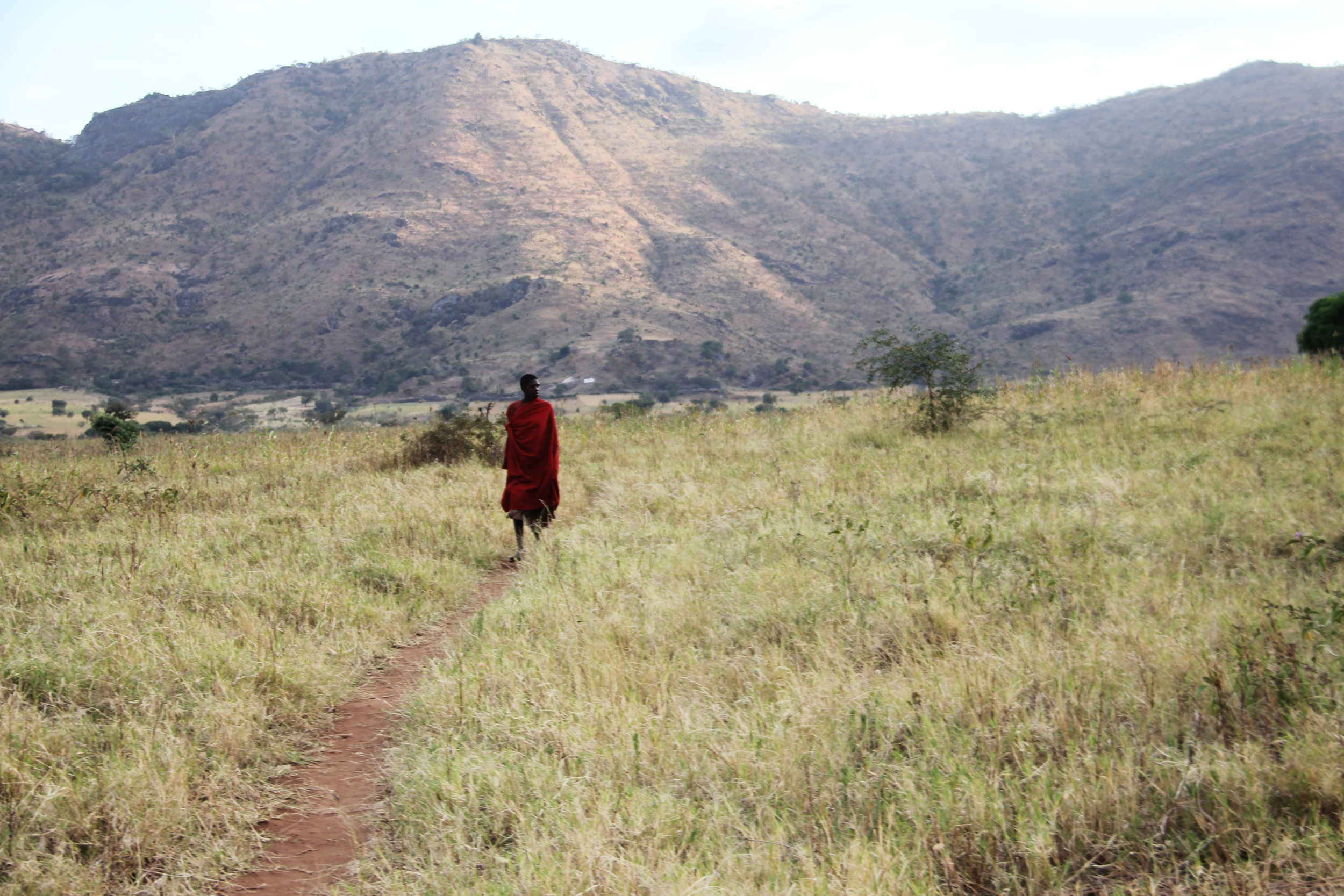
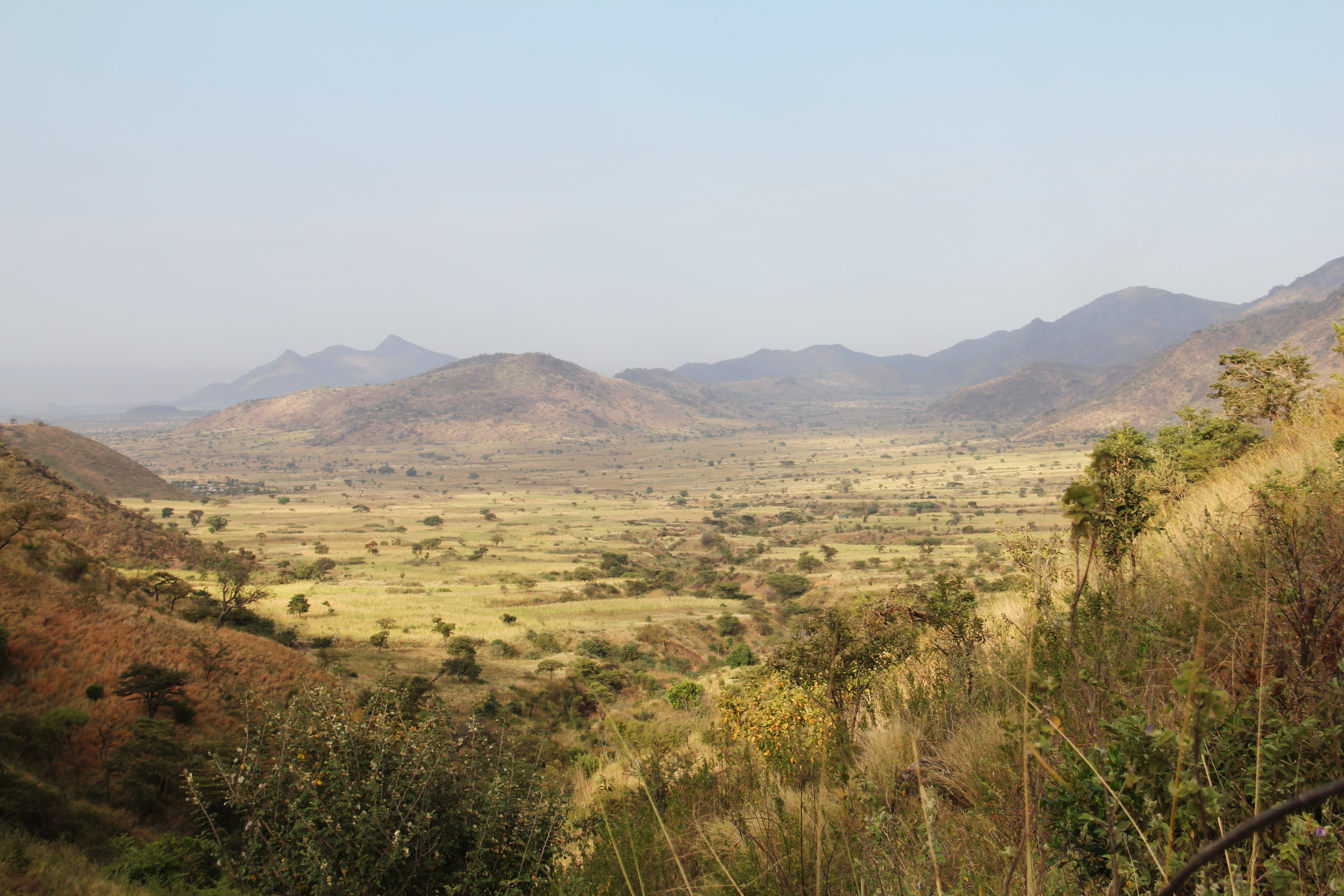
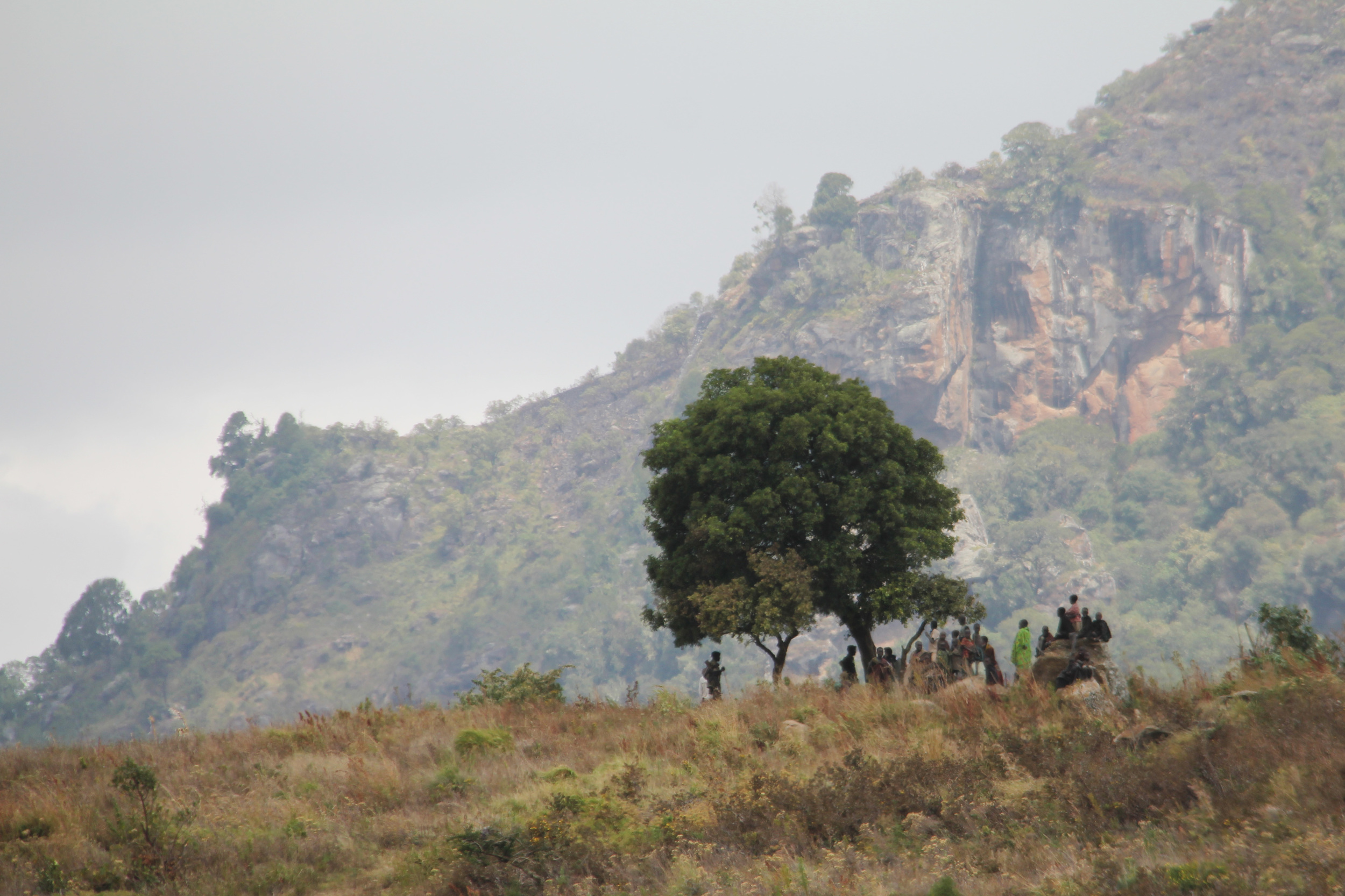
And to those hills we went.  Eric's mother, Cathy, and I hiked with a few others through the mountains and valleys, an incredibly stunning scene in a remote corner of Uganda, for 5 very long hours.  We set out in the morning and began to walk, first among the lands of the Karamajong.

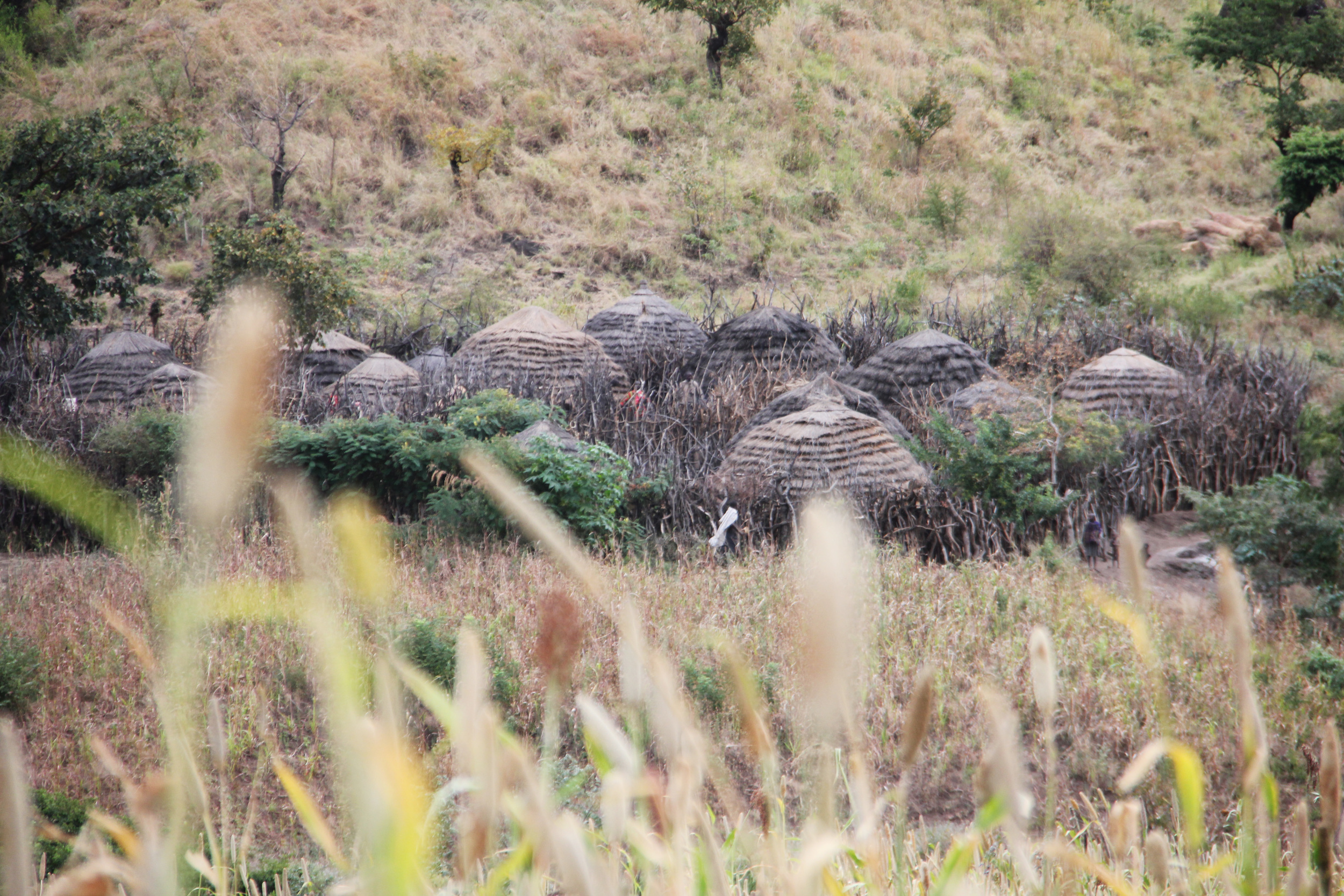
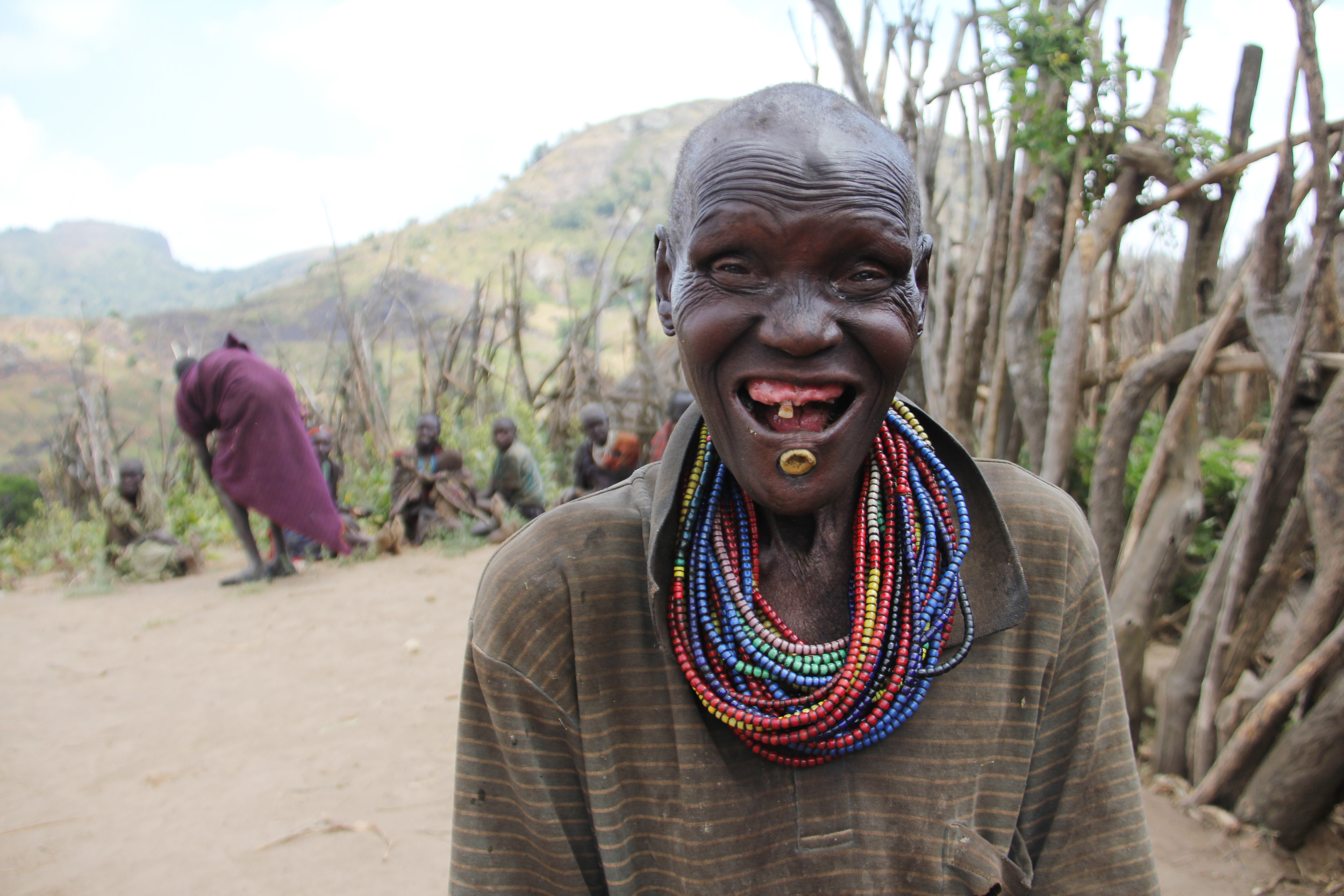
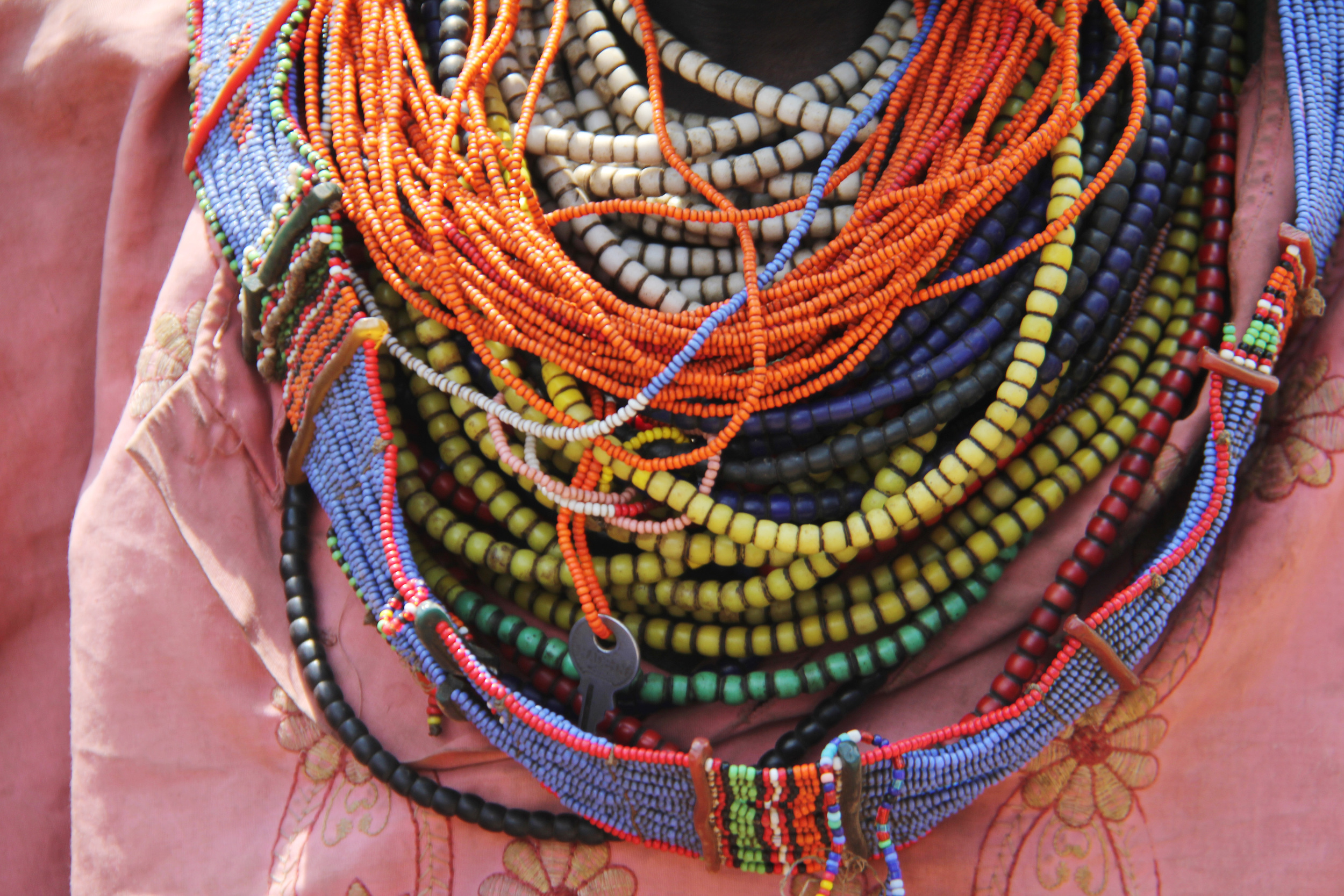
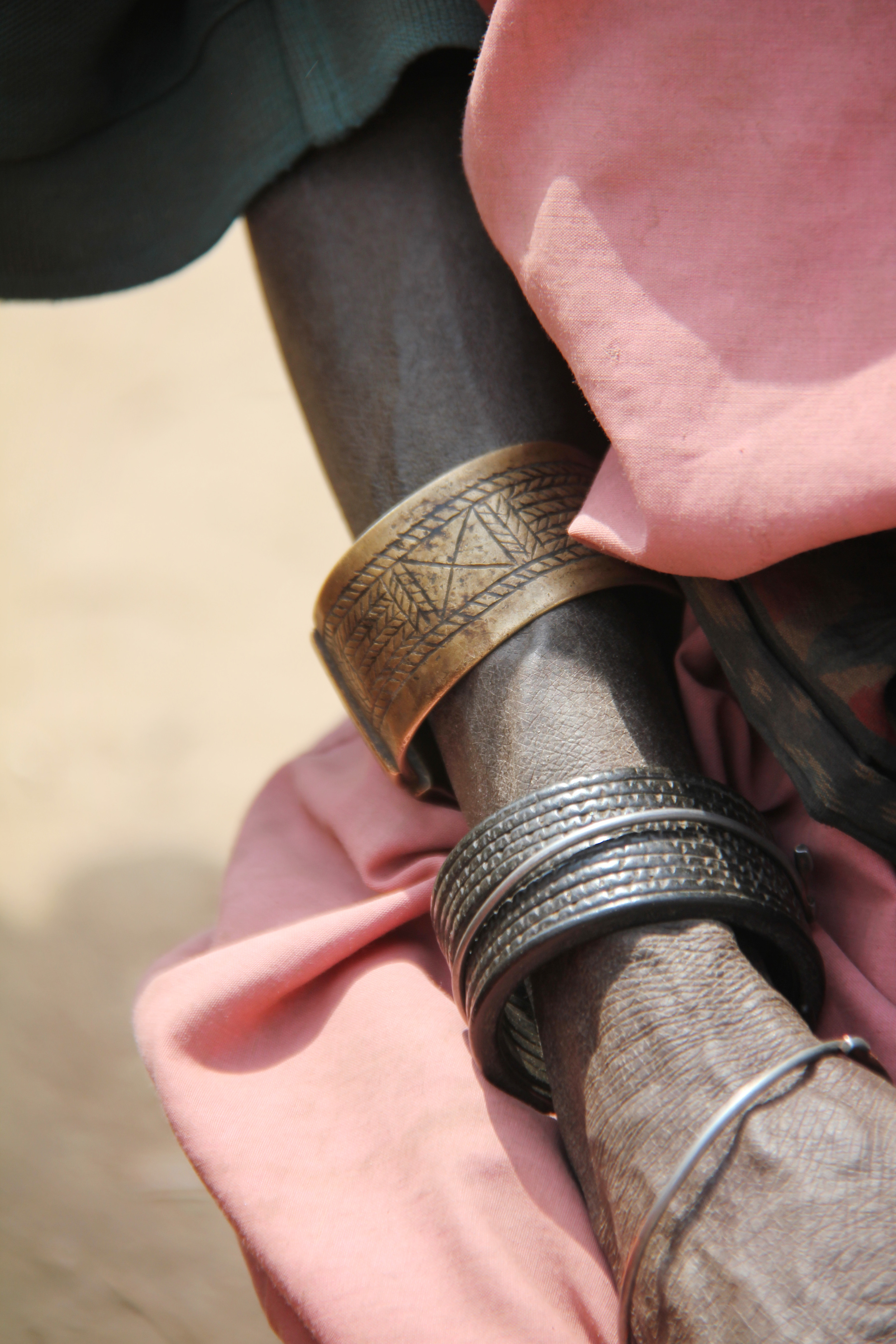
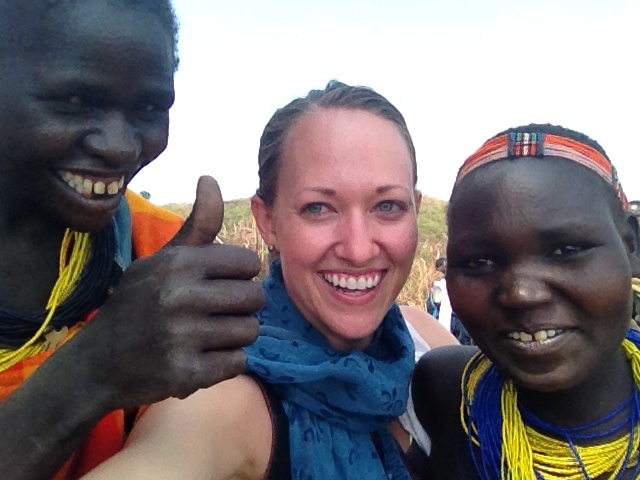
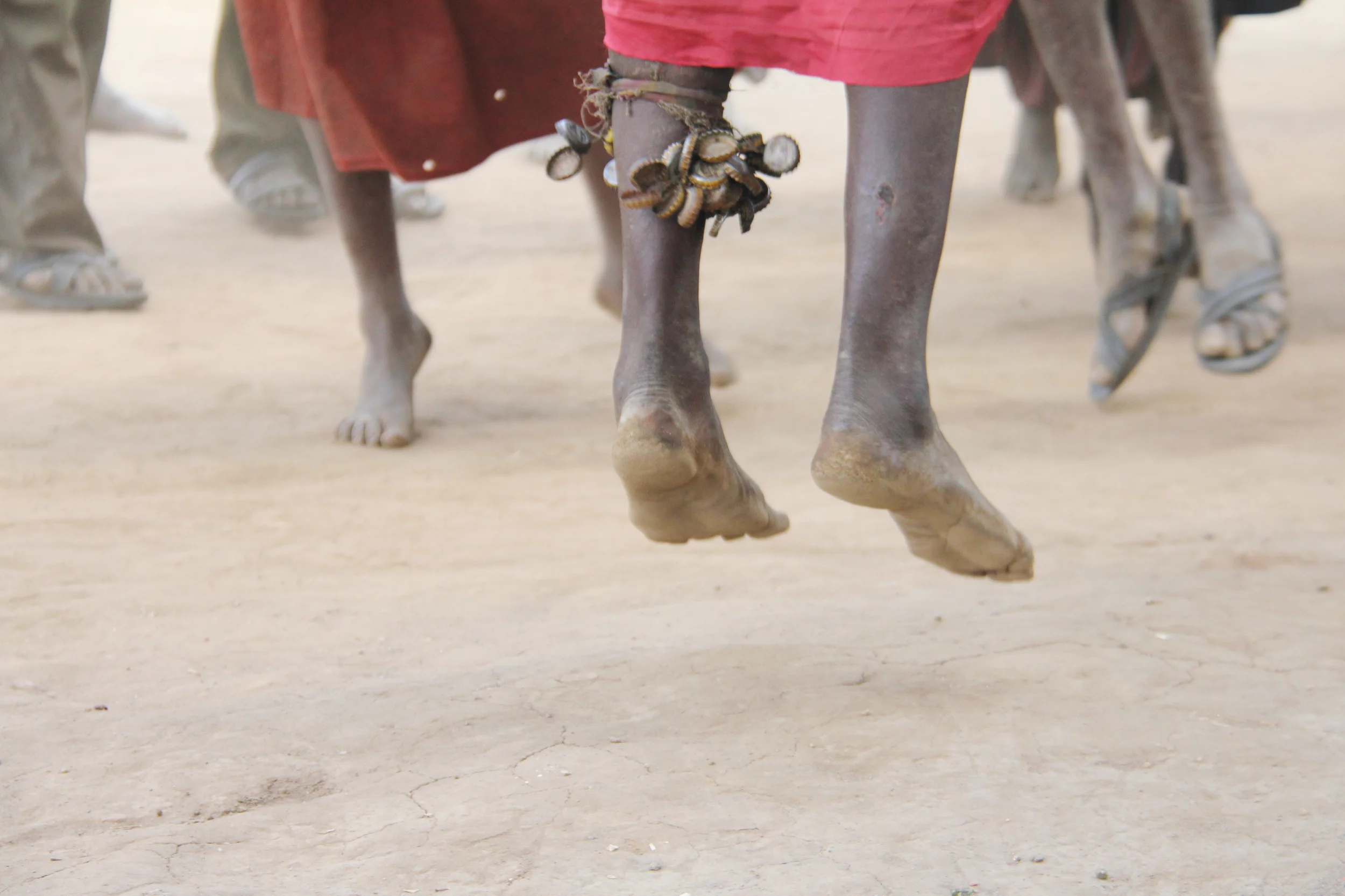
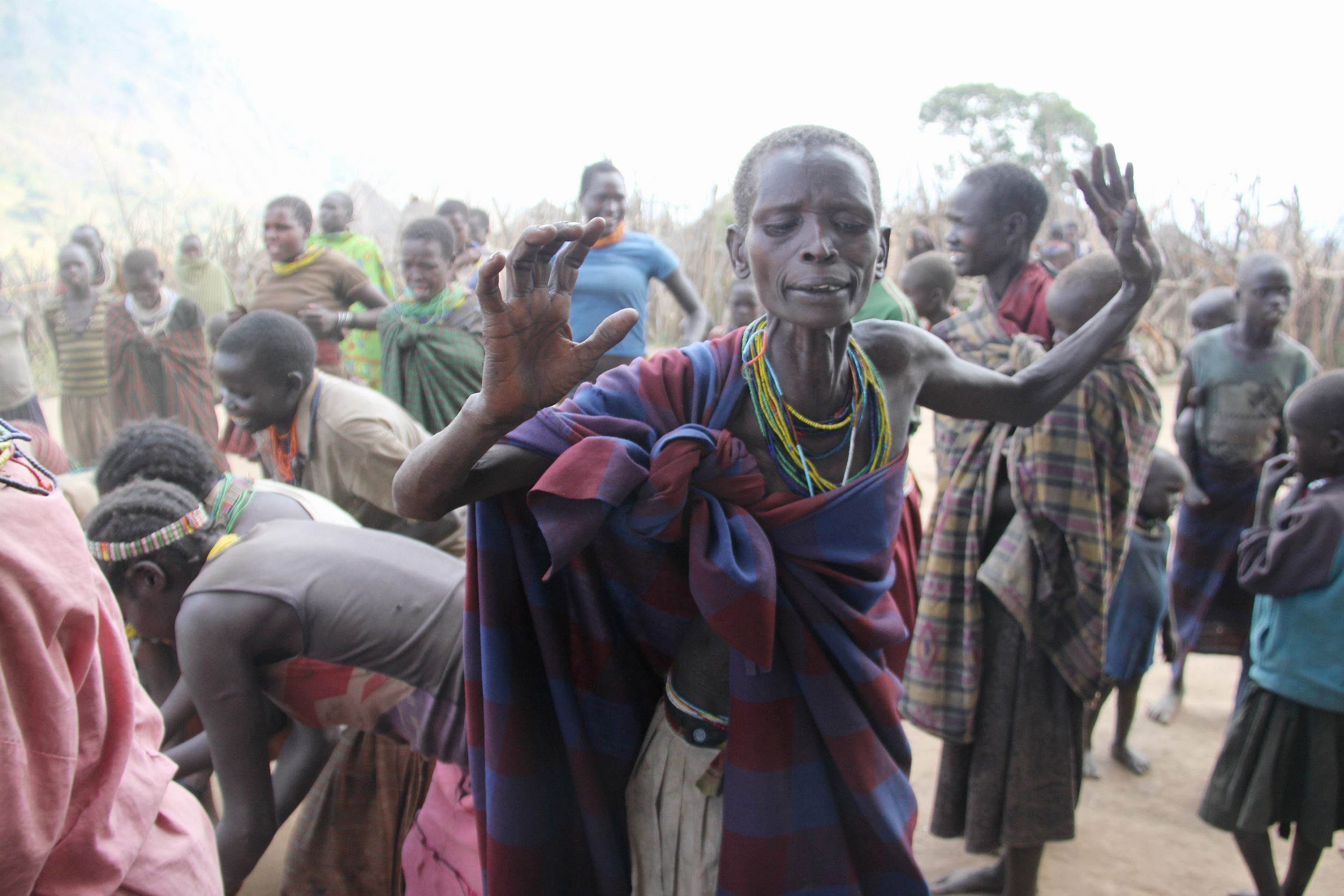
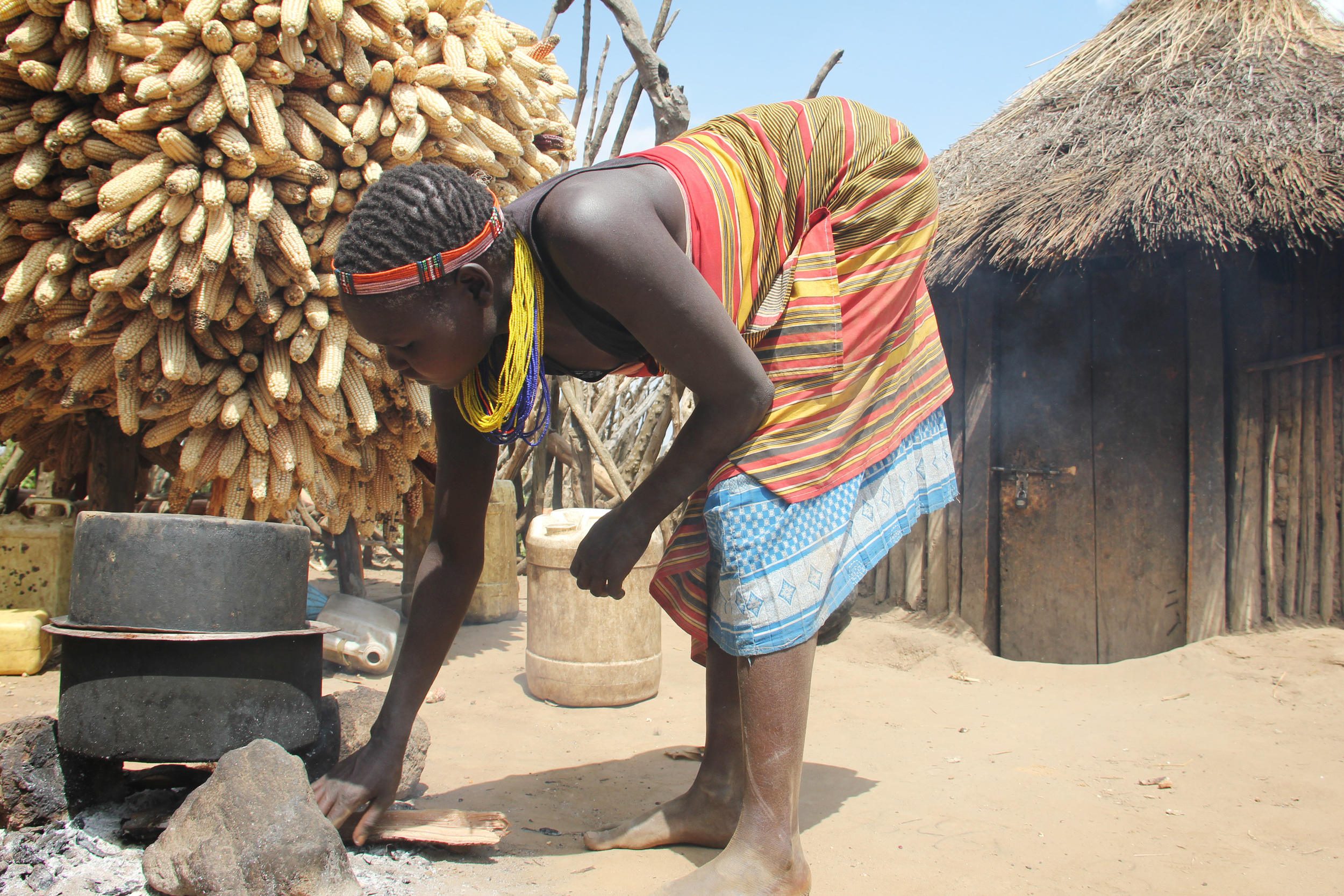
The hike was not easy, and after several hours of our guides telling us we were "close," we finally reached a small village where our hosts, the Ik, were waiting for us.  They greeted us with a song and a dance and later took us around their small village, showing us their granaries, and letting us observe their lives. Communication was sparse; .even our Karamajong guides could not understand the Ik language, but it was fascinating to discover what kinds of communication were universal among us.  A thumbs up?  An "ok" sign?  If nothing else, a smile!

As we left the Ik, a people so remotely tucked away, I reflected on how that night the rest of the world would be ringing in the "new year," yet the Ik lived not according to our calendars and wouldn't see any difference between that day and the next.  Our visit to a culture so vastly different from my own brought up several thoughts about who we are as humanity, what we share, and how our differences came to be.  This unique tribe will sadly, but likely disappear in the next few decades, leaving the world a little less aware of our human diversity.